Wolf of Wellington: Escaping death by a thousand clicks
Impulse purchases, a maxed-out credit card, and a questionable financial decision hanging in the balance. The near miss that taught me to think before I click, so I could step off "Enron's Ride of Broken Dreams" financial rollercoaster.
Cashing in my gold shares to buy an electronic drum kit
No universe exists in which the heading above reads like sound financial advice.
Looking out the window in the office, I realised Wellington had turned on the weather so I grab my sunglasses and headphones to walk around the city on my lunch break with the warm winter sun on my face.
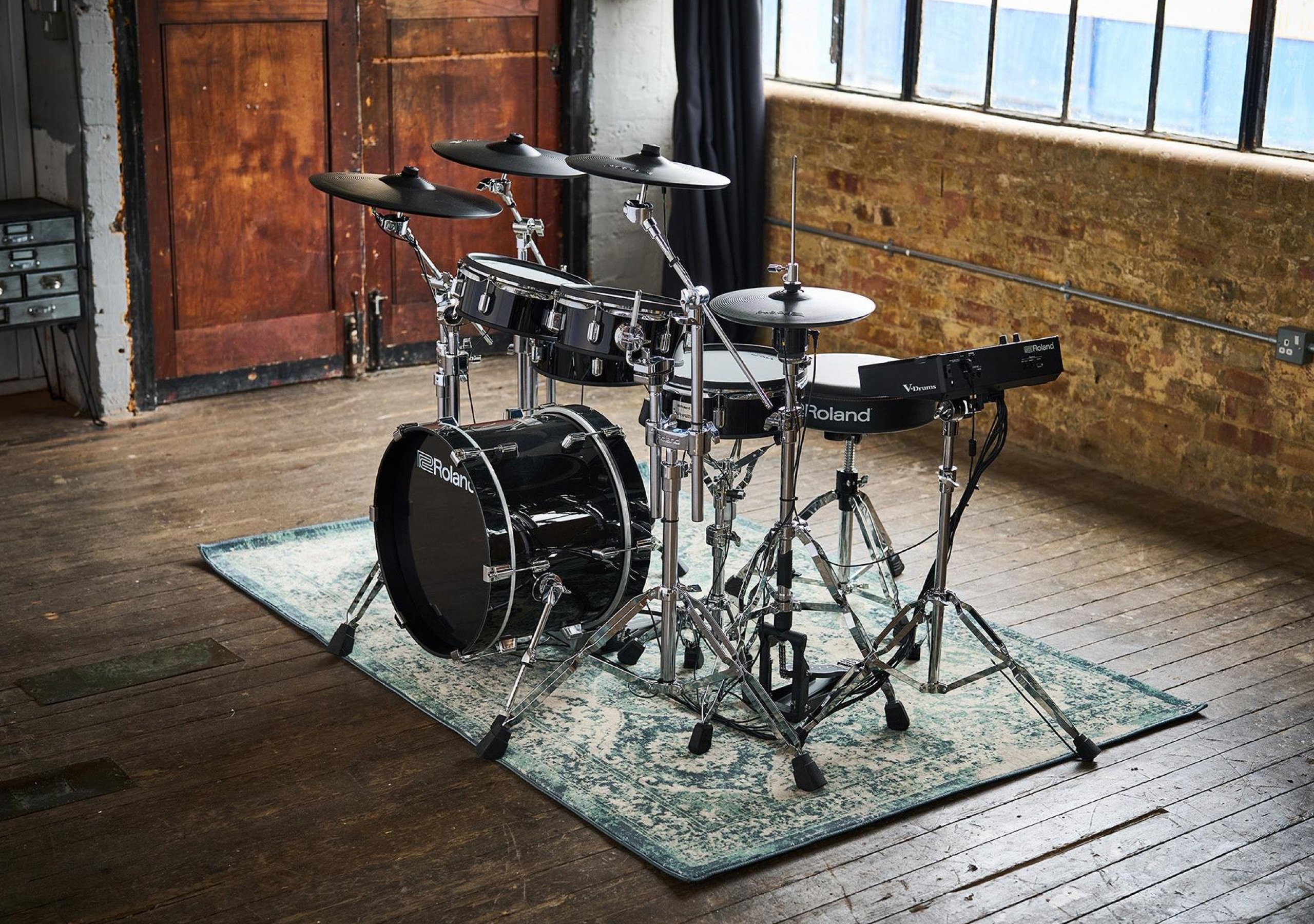
A few blocks later I found myself walking by the Rockshop, the same store I’d bought my entry-level electronic drum kit for $2,000 from almost five years ago. In the storefront window, on full display was the impressive, yet intimidating Roland VAD507.
A premium 5-piece electronic drum kit, complete with full-size wood shells and stage presence of acoustic drums, its black shells and chrome stands sparkling in the sun.
Looking down next to the display, I noticed a sale sign showing it had been marked down by 20%, the new price a little over $9,000. Lacking both the cash and drumming competence, I confidently walked up the stairs to the counter to ask if I could try the drum kit pointing back to the one in the window.
As the salesperson and I walked towards the setup, he handed me a pair of drumsticks and headphones and said when the store is quiet he often comes down here to play and would love to own this exact kit someday.
Like my favourite salespeople, he walked away saying “Let me know if you have any questions” and left me to it.
Chrome stands catching the light, $9,000 catching my attention, my credit card about to have concerns.
Sitting down, there was a sizeable difference between the one I had at home and the one in front of me right now. The deciding factor when I bought my first drum kit back in 2020 was the added benefit of being playable with headphones, so your neighbours aren’t calling the cops or noise control while you practice.
The increased footprint, larger cymbals, and bigger snare and tom pad diameters gave me more room to stretch my arm out, more room to breathe, room to actually reach, land, and connect with more freedom.
At one point I caught myself thinking “Wait, did I just become an amazing drummer?” before realising the absurdity of that thought, completely swept up in the moment, having a blast trying out different patterns.
The kick drum, like everything else, was scaled 1:1 to match actual proportions. Realistic haptic feedback coming back through the kick pedal as it connected felt solid and had real weight behind it, like playing an actual full-size acoustic kit instead of triggering a pad.
Fully immersed in the engaging, primal sound of it all, deep and rich, I looked down to see which kidney I’d have to sell so this could come home to live with us.
Add to cart, insufficient funds and making deals with the devil
Later that night, the online reviews backed up what I’d experienced earlier in the day. Roland’s website marketed it as one of their premium models, “delivering high-end performance and genuine acoustic feel”, every detail meticulously designed to recreate the sound and feel of an actual drum kit.
Realising I no longer needed any further convincing and my confirmation bias reached, I added the Roland VAD507 to my cart and with my credit card in my hand was all set to go.
Only to see a message on screen saying “insufficient funds”. Unfazed by this minor setback, and my ADHD hyperfocus kicking into overdrive, I moved some money between accounts and temporarily bumped the limit on my card to make the purchase happen.
Then I encountered the next obstacle: due to the purchase amount and my card limit, the payment had to be processed as two separate transactions. There was no way to do a split payment on the website that I could see. I’d have to go back to their store the next day.
My first drum kit I was convinced was holding me back, yet my inability to keep time and any sense of rhythm was conveniently overlooked.
Just enough friction to give me a moment of pause and reconsider my life choices up until this point. Ultimately, I decided to fold, abandoning the purchase to live to fight another day.
Enough doubt had crept in by that stage it felt like the universe’s way of saying it wasn’t meant to be. In the past, whenever I’ve ignored these instincts, purchases have failed to live up to my expectations and left me with buyer’s remorse, only to rise like a phoenix and repeat the same process once my bank account is in healthier shape again.
Rinse and repeat.
In my heart I knew I was never destined to become an accomplished drummer, without fully committing and putting in serious hours behind the kit required to get to Danny Carey’s level.
It would have been a vanity purchase without a doubt. Whenever someone would come over and say “Rich, I didn’t know you played the drums?”, I’d be forced to correct them, stating “I own a drum kit”, though I’d never mentioned I knew how to play.
My dreams of becoming Danny Carey from TOOL put on pause.
If I’d gone ahead with the purchase I’d always feel like I’d lied on my resume, and karma, as it always does, would catch up with me eventually.
At some point, a friend of a friend, looking for a drummer to stand in for their bandmate, would ask if I could fill in, taking one look at my impressive setup and assuming I could play at a competent level. Later that night at the gig, I’d be booed offstage by the crowd midway through butchering an AC/DC song.
People have gone to prison for less. A classic case of “All the gear, no idea”.
Knowing when to hold them and knowing when to fold them have never been my strong suit. I would have been humbled and humiliated, and learned nothing from the experience.
Nowhere near my $100k savings goal and happy to cash out
Selling my gold shares had never been my plan. In an act of sheer desperation, realising I was about to go into debt, or drain my accounts, all over again, Ali, my wife, suggested I could always sell some of my shares.
Once this realisation dawned on me, and I opened the Sharesies app to look at what I’d stashed away, a bigger question crept in. At the time my goal was to get to $100k. I was nowhere near it, though I had enough sitting there to cover this purchase.
So what was the point?
Without the “why” to provide purpose or meaning I lost the motivation to keep stacking up the numbers and investing every penny I could find.
A few weeks after almost buying the drum kit, I cashed in all my chips and sold my shares I’d invested in gold to buy high-end stereo equipment and a new surfboard instead. Something I knew I’d get more use out of, yet didn’t necessarily need.
I put $10k straight onto the mortgage and spent the rest on purchases I’d actually use. No regrets. If anything it felt empowering and the opposite of a mistake. Splitting the decision, being responsible by paying down some debt, and reckless with the rest, felt like the best of both worlds, and slightly less unhinged somehow.
Getting better with money was the whole point. Teaching myself how to invest and how the stock market worked was the real goal. By the time I cashed in my chips I had a better understanding of how money works.
Six months between contracts, and nowhere left to hide
Rewind to the end of 2023. During the summer holidays, the Wellington job market grinds to a halt. When the sun’s out and people are enjoying time off, it’s easy to ignore the fact I’ve got no job. Everyone’s just hanging out, there’s no schedule, sleep late, stay up late, no one has anywhere to be they don’t want to be. So it’s easy to go with the flow and blend in.
When everyone goes back to work and the crowds slowly thin out, it doesn’t matter. I’ve decided to make the most of the downtime, hanging out with my kids rather than putting them into holiday programs, while I wait for the job market to pick up and recruiters to start calling in the new year.
Some holidays it was just me and my kids, solo parenting and making the most of every single day. We nicknamed ourselves the “OG skate crew,” which, looking back, mostly meant I didn’t have a job at the time.
That all changes the moment my kids go back to school. There’s nowhere left to hide. It’s a career combover and you’re fooling no-one.
Found my stunt double at the skatepark. Attempting that trick myself would cost me six months in a moon boot.
The house is quiet during the day. I knew it was time to get a haircut and find my next job when I found myself skateboarding alone at the empty skatepark while my kids were at school right next door. Sometimes the Wellington UX market goes quiet from November to February, and when I’m getting close to April, six months unemployed between contracts, that’s when organic black beans start to seem excessive, and I put them back on the shelf.
It’s in those quiet moments where you take stock of your life.
Where you zigged when you should have zagged, and other sporting analogies I’m unable to reference correctly, since I don’t share the same love for sports as others. Go sports.
I didn’t grow up with much money. The few things I owned as a kid, I’d save for months and looked after fiercely. Add ADHD-driven impulsiveness to the mix, and whatever little cash came my way as an adult would go on purchases I didn’t need.
Money had always followed the same pattern for me. Back in 2019, I bought two surfboards in NZ while I was in Norway for a wedding, then came home and sold everything I owned to pay for them before they arrived. The house of cards was showing signs of collapse, with outstanding IOUs soon to be issued to both Peter and Paul.
A briefcase full of IOUs, every penny accounted for. Just as good as money, right?
From 2020, I went in-house as a designer for two years instead of contracting, so Ali could study full time instead of juggling work and study at the same time. Once that was done, I was straight back to contracting, a lucrative government job this time, spending hundreds on vinyl without blinking, then going back to zero dollars an hour with no rainy day fund to fall back on.
It would build up, then vanish the moment I saw something online, convinced this latest purchase would certainly “turn my life around.”
It’s like the featured image I chose for this article, Benjamin Franklin from the US $100 bill looking at me with inquisitive eyes, piercing my soul as if to ask with no words, “Rich, do you really need that?” I’d counter with an unconvincing and foolish argument: “This is clearly a need miscategorised as a want!”
Nothing dramatic or extravagant, just death by a thousand small purchases. The occasional unnecessary luxury item thrown in for good measure, just to keep life interesting.
You name it, I can probably justify it. My philosophy of “Buy nice or buy twice” in full effect.
Between waves: You’re either earning or you’re learning
Between contracts in 2016, I decided to become a qualified barista, earning the City & Guilds International Award in Barista Skills through Mojo Coffee in Wellington.
That same year I looked into finally getting a degree in User Experience Design, and one university paper in I found the course material was outdated and I could teach myself online for a fraction of the cost.
For what it’s worth, I got an A in my one and only paper, so I like to tell people I was a straight-A student back in university.
Teaching myself how something works, online and at my own pace, has always suited how I learn. Over the years, studying off and on has quietly added up to 32 UX certifications through the Interaction Design Foundation, including one stretch, when the job market died, where I cranked out ten courses.
The intention was to surf 90% and study the other 10%, however, that year the swell had other plans, the ratios flipped, and I ended up studying more than I’d initially signed up for.
If you’re wired like me, these are my two study tricks:
ADHD: Increase playback speed
Bump the video playback up to 1.5x or 2x, get through it twice as fast, or bring a slow-talking presenter up to a normal pace.
Dyslexia: Text to audio
Select the text, right-click and choose Speech -> Start Speaking to have the browser read it aloud instead of staring down a huge wall of text.
Four books on money and investing, one I’d recommend
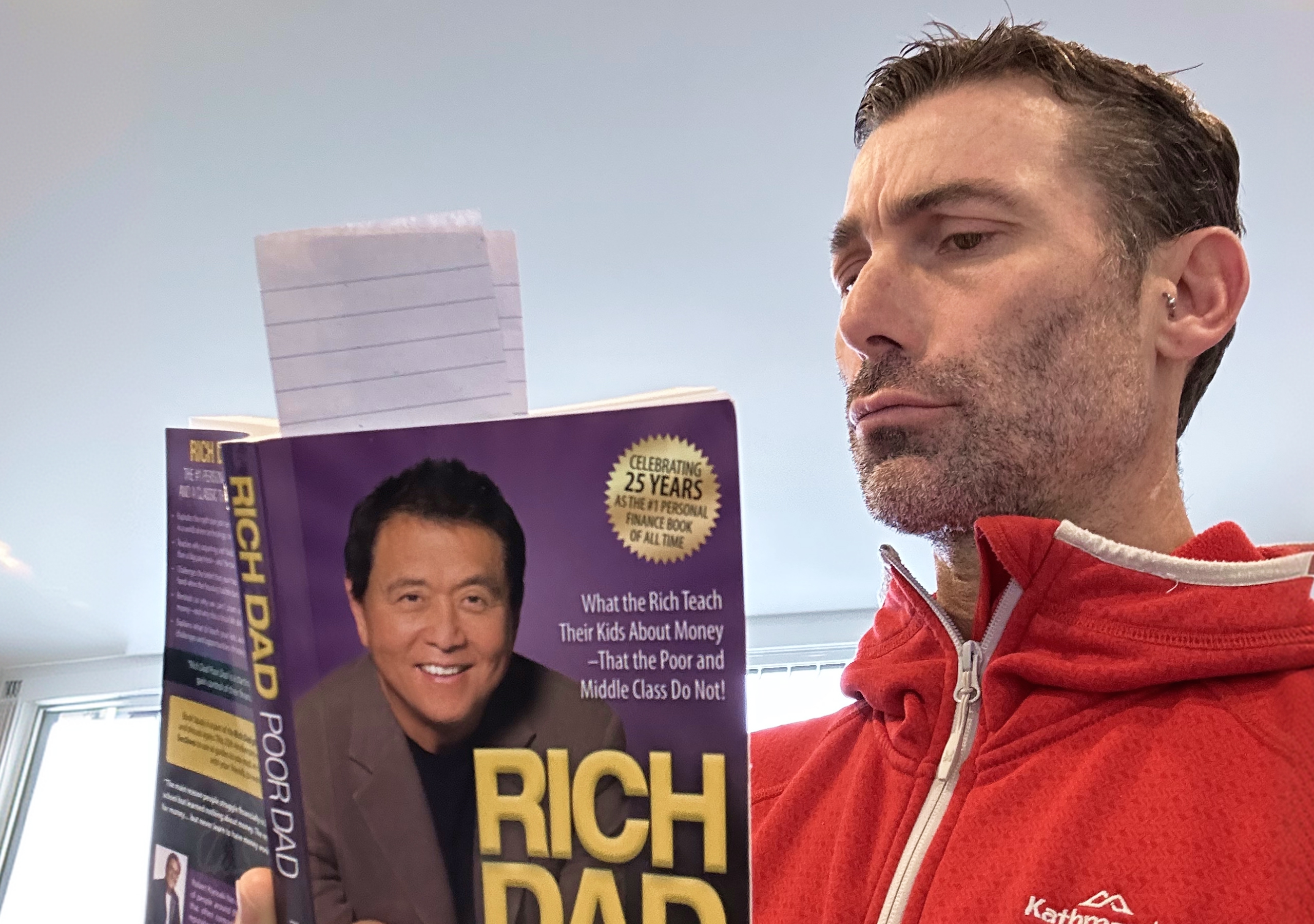
I started with the classic Rich Dad Poor Dad, since it’s the book everyone points you towards when you’re first starting out. It wasn’t for me. Rental properties, buying businesses, creating multiple income streams, it mentioned all of these.
It felt like a system built for someone else’s brain, more administration, more headaches, more hassles, and it would have taken me away from the areas I was actually passionate about.
Week two of investing, now where’s my money at?
The Millionaire Next Door came next, and it was dry, seriously dry, and a bit dated in places, read like a textbook you were issued at high school and forced to write an assignment on. Still, credit where it’s due, underneath the academic writing it was grounded and extremely well researched. The principles it was built upon were both practical and down to earth.
This was by no means a glamorous read, just simple budgeting advice, living well below your means in a frugal existence. You’d get results, however you’d lose the zest of life if you followed it too closely, so I cherry-picked the basics and moved on.
Unlike Rich Dad Poor Dad’s advice, I didn’t have access to time travel to purchase property back in the 1970s, so it felt like that ship had sailed. Looking back, the photo of me reading says everything about where my head was at. Reading the theory, no results yet, and mildly suspicious the whole thing was a con.
Was Robert Kiyosaki the original finance bro? I’ll let you decide for yourself.
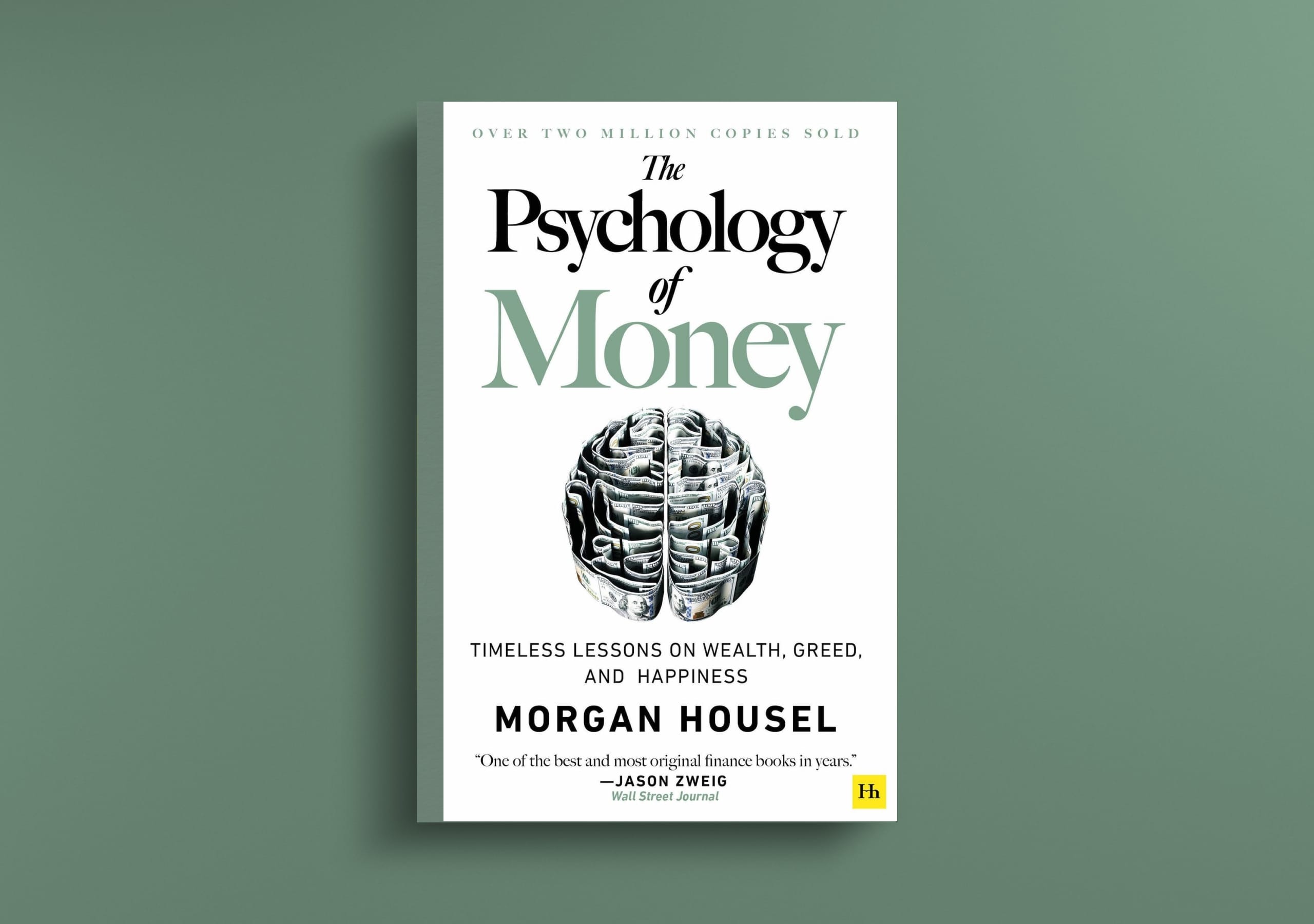
Recommended read: The Psychology of Money by Morgan Housel offers timeless lessons on wealth, greed, and human behaviour.
Next up was The Richest Man in Babylon, which earns an honourable mention, for handing me the one idea that ended up mattering most: pay yourself first. Deceptively simple, and yet it still holds up today. Pay yourself first: 10% of your income goes straight into savings or investments immediately when you get paid, before covering any bills or living expenses.
Seems counterintuitive, yet once I wrapped my head around the concept the method behind the madness started to hold up.
Lastly, the book that clicked, and the one I’d feel most comfortable recommending, is The Psychology of Money. It wasn’t about spreadsheets or strategy, it was about how people actually behave with money, why they panic, why they hold on too long or sell too early.
That mindset ended up mattering more later than I expected, especially once my kids got involved. Staying calm in the midst of the chaos, more on that later.
A friend’s financial advice outperformed the professionals
I’d met my friend Phil for coffee one morning in May 2024, the same Phil behind his tea-making process, one of the Mero crew I still grab coffee and do the morning quiz with.
We were chatting about getting into investing, and I sent him an email afterwards to make sure I’d caught everything right: use Sharesies mobile app to buy ETFs, go more aggressive on my risk appetite than I probably wanted to, be prepared to ride the ups and downs.
Phil wrote back later that day with advice which ended up mattering most: work out how much risk you’re actually prepared to take, and find an advisor who’ll quiz you on your risk appetite.
Most of all, speak to an actual financial advisor. Same goes for you if you’ve stuck with me and made it this far. Thank you.
Back when your bus card doubled as payment for Friday craft beers.
Phil’s an educated man, further along in his financial journey than I am. He’s retired, uses Sharesies alongside a managed fund through an advisor, and flies around the world to see friends and family a few times a year rather than chasing his next contract.
Phil had looked at the property investing path like I did, the Robert Kiyosaki “Rich Dad Poor Dad” approach, and said it never suited him though for plenty of people it works.
He’s also crafty like a fox, and used to load up his Snapper bus pass with credit back when a handful of retailers accepted it as payment. The loophole he’d happily exploit to buy craft beers on a Friday has long since closed. I liked the cut of his jib, and knew he was over-qualified for the role of financial advisor.
Investing carries a reputation for being risky, and fair enough, there are enough stories out there of people losing large amounts to make anyone have reservations. What ETFs (exchange-traded fund) do differently is spread that risk out, a single fund that’s made up of a collection of investments. You’re not betting on a single company having a good year, you’ve spread the risk across a number of companies.
Finding a stranger’s wallet and turning down coffee
Three months later, I found a wallet lying on the footpath on my way to work. I opened it looking for ID, looked him up on LinkedIn, a wealth adviser working in town, so I dropped it off at his office reception on my way past, saving both of us a trip to the police station to fill out forms.
I just wanted to get the wallet back to the owner, and his office was a closer walk than the police station, so I could just drop it off and continue on with my day.
The owner messaged that afternoon, stoked to have his wallet back, offering to buy me a coffee to say thanks. As a certified barista with an espresso machine at home, a free coffee wasn’t about to change my life. Financial advice from an actual professional might.
Core Banking mobile app focusing on the pillars of everyday use: balances, transfers, payments and credit cards.
Speaking to a financial advisor had been on my todo list for weeks, so seizing an opportunity, I took my shot: did his firm work with individuals, or large corporations? Ali and I had been meaning to speak to someone about paying down the mortgage vs. investing more.
He passed on a colleague’s details and we arranged to meet later that week. Ali and I went to their office with our complete financial picture laid out, mortgage, cars, KiwiSaver, whatever we could think of.
I’d designed a mobile banking app built around empowering people with their finances, something I used to describe as “financial advisor in your pocket”, and here I was about to sit down with one in person.
What we got from the meeting was pleasant, professional, and almost entirely noncommittal advice. No real stance either way on paying down the mortgage vs. investing more. Turns out a mate who’ll actually tell you what he thinks over a coffee is worth more than a meeting with someone paid to stay neutral.
The best financial advice I found continues to be given freely
Alongside Phil’s advice, I found Vincent Chan’s financial YouTube channel. What stood out most was how calm he was compared to everything else in this genre. His parents had immigrated to the US with almost nothing, and watching them struggle to provide for the family stuck with him.
To learn from and break this cycle, he studied economics and landed a job on Wall Street, then hated most of what the job actually was, helping the rich get richer. He left to share what he’d learned instead to help others.
The backstory is probably why the advice felt genuine, practical and grounded rather than the loud, sales energy most finance content leans on, all theatrics and course upsells with nothing real underneath, yelling “buy my course” while counting cash poolside.
Unless you’ve got a platinum-selling hip-hop album to your name, I’m not buying into the hype. Maybe you get what you pay for? Yet with Vincent, his free advice turned out to be the better option.
Sharesies made the barrier to entry to start investing easy
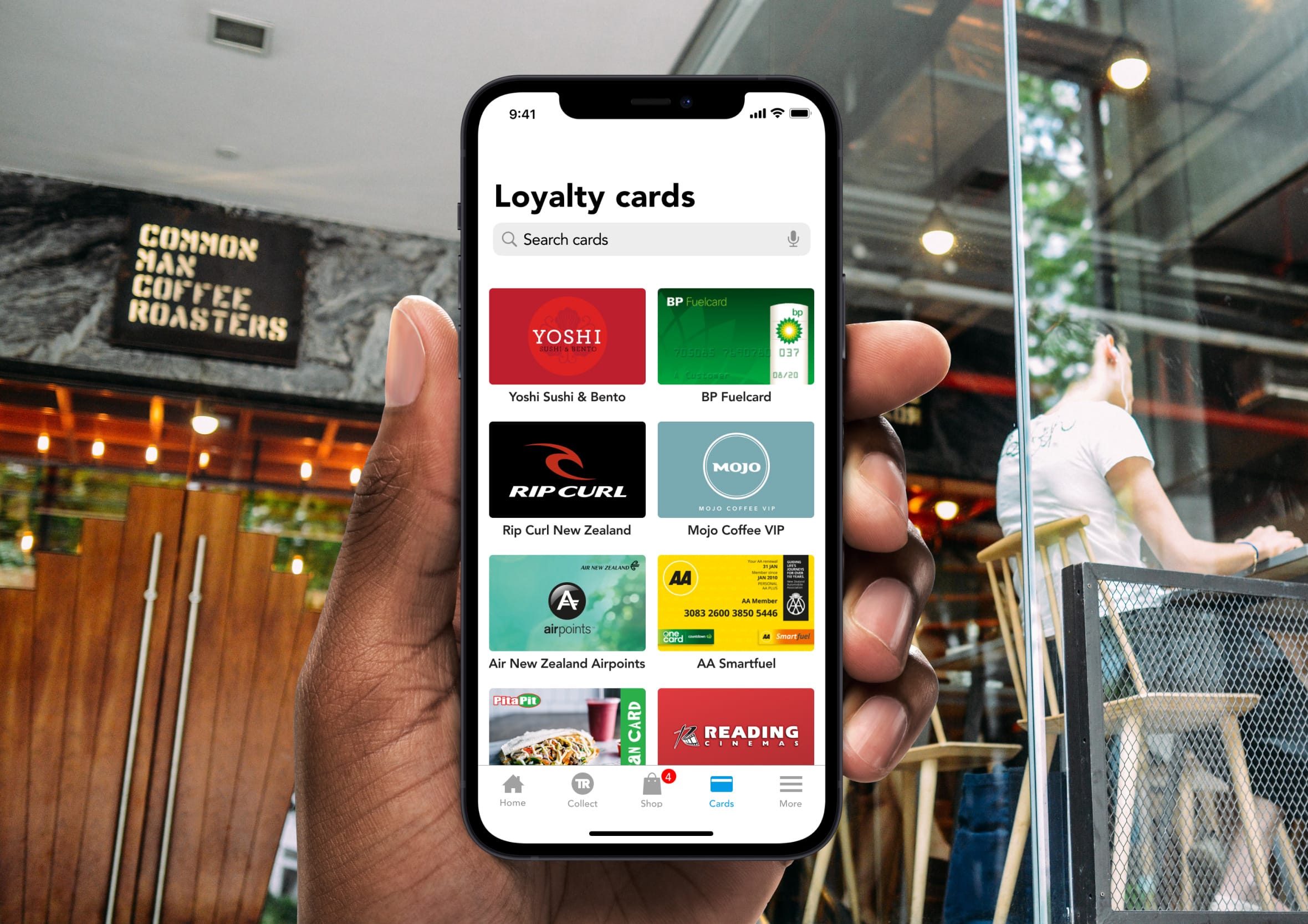
Part of why I never got round to investing before was the barrier felt higher than it needed to be. Sharesies removed that excuse completely. It’s an online platform that facilitates the buy/sell trade and takes a small fee, there’s no minimum amount, and you can be set up and actually holding something within minutes.
Any extra cash I held in my bank account that I wanted out of sight and out of mind could be invested in a few taps on the app, in a few seconds. Beats dealing with tenants calling at 3am to say there’s an issue with the rental property, and not having any DIY skills to save the day.
Sharesies also just handles finance jargon really well, and that quietly empowers people who’ve never invested before. As a UX/UI designer, I know how much work goes into microcopy like that, every character earning its place, especially on mobile. It’s the kind of clarity that becomes a foothold, something to anchor onto whether you’re navigating an app, or just navigating life.
Saving became my new routine
The trick that actually worked wasn’t a spreadsheet or a budgeting app, it was friction. My money was still mine, still accessible, though Sharesies added just enough of a delay that it made me second guess random purchases before I clicked. That tiny gap between wanting something and buying it was often enough to talk myself out of it.
I started applying the same idea everywhere, not unlike 100 days of constraints I once set myself on a design challenge, just aimed at spending instead. Leave an item sitting in an online cart for 30 days, and if I still wanted it after a month, it was probably a good purchase. Most of the time I didn’t need it or would simply forget about it.
The fact that as I write this article, I struggle to think of a single recent purchase I impulse bought is proof the system works. Looking back, a lot of what I used to buy was chasing a quick dopamine hit, by the time it arrived at my door it was never as exciting as the wanting had been. Money spent chasing a feeling that had already faded and moved on.
Ali and I have a joint family account that covers anything we do together, and separate personal accounts for coffees, lunches, and whatever else to spend on ourselves however we like. Whatever was left in my personal account at the end of the week, I had a choice: spend it or save it. I started choosing a third option, and invested it instead.
I watched my savings climb without having to think about it. There’s a real sweet spot once the process locks in, where it stops needing willpower and just quietly runs in the background.
Teaching my kids about good financial habits early on
Once this system had been up and running for a couple of months and had proven itself, I opened a Sharesies account for my kids. Early on, they were losing money, which is a strange thing to explain to a kid who’s used to putting cash into an account and watching the numbers only go up.
They panicked, already down $20 in a week, so the three of us sat down and watched a video on compound interest together. The presenter’s message was simple: trust the process, this is the long game, and time is the one advantage you have on your side.
That’s where The Psychology of Money earned its recommendation. Instead of panicking or pulling the money straight back out, I could pass on the mindset the book had given me.
Watching the ups and downs without overreacting to them is a useful skill to teach a kid early, long before it’s their own money on the line. We even have a family “investors dinner” once a year to celebrate, and to help keep them motivated.
Jargon, Jenga and juxtaposition
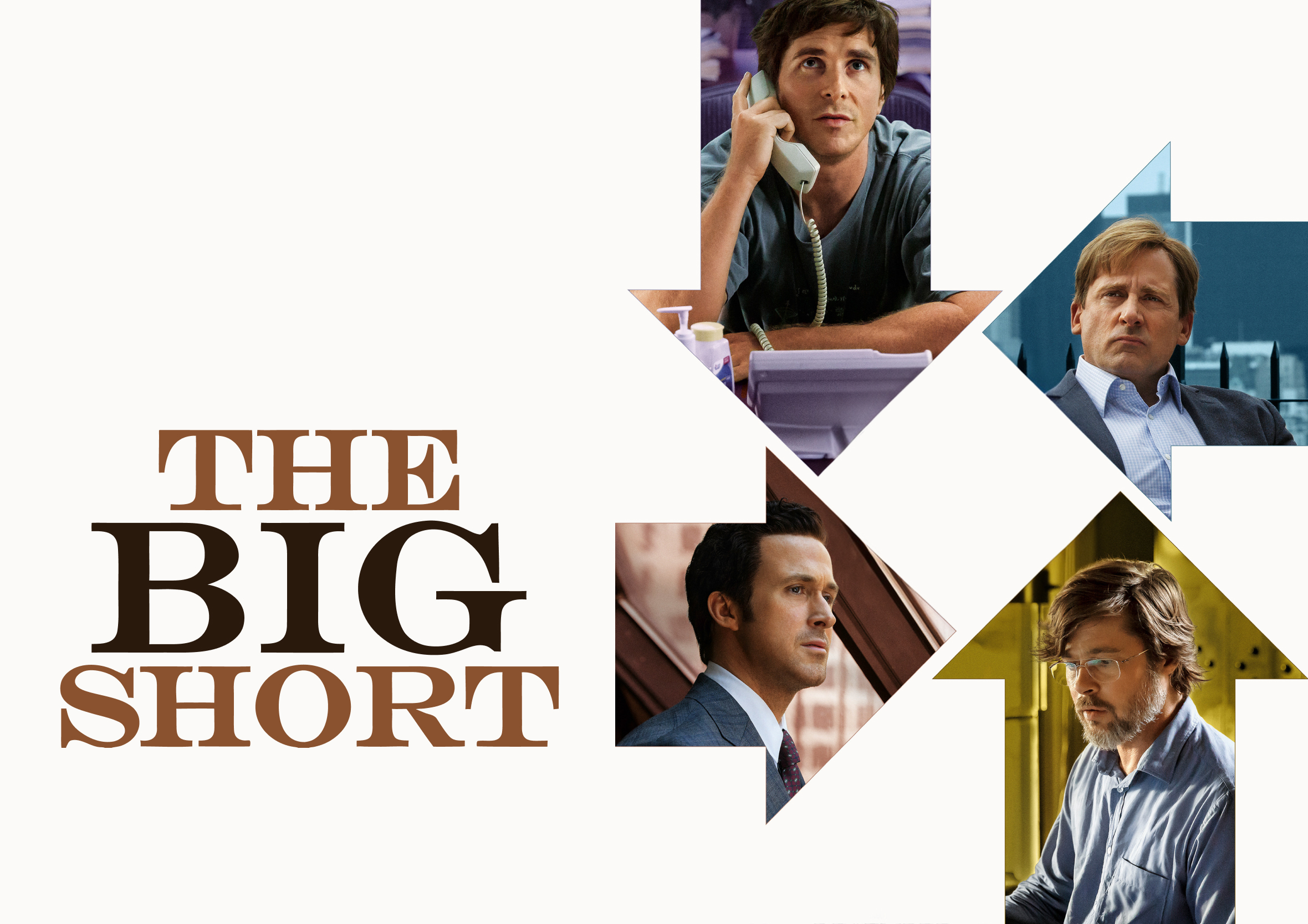
I graduated in 2009, straight into the aftershocks of the Global Financial Crisis. The Big Short tells how that crash happened, risky mortgage debt repackaged as AAA-rated bonds.
Finance has an incredible amount of confusion, acronyms and jargon. I loved how the movie broke away to explain terms in plain language, like Anthony Bourdain turning three-day-old fish into seafood stew to explain bundles of bad debt sold off as something safer.
The Big Short | Credit: Paramount Pictures
So many scenes where the penny drops too, like the Jenga collapsing scene. Consequences lead to collapse, in the boardroom and then in real life. I loved how confident Ryan Gosling’s character was in that scene.
Christian Bale’s character, Dr Michael Burry, in one scene has heavy metal blasting in his office. It turns out to be Mastodon’s “Blood and Thunder”, and that song was my intro to the band. Burry unwinds by playing drums to metal, and Bale learned to play in about two weeks.
His character, one of the first people to see the crash coming, spent his downtime behind a drum kit, while I could barely keep time on mine.
Leviathan, the album that song is from, is a concept record based on Moby-Dick, Ahab chasing his white whale. I’d actually been reading Moby-Dick around then too, constantly reaching for Kindle’s word lookup to get through Melville’s old-style of writing.
This was before I was formally diagnosed with dyslexia, and eventually gave up on the book. Turns out finance jargon and 19th-century whaling jargon have more in common than I expected. Burry had his own white whale, a housing bubble everyone else refused to see coming.
Those credit default swaps he got the banks to create were his harpoon, insurance that paid out if the mortgage bonds failed, and he negotiated the contract himself.
Actions and accountability rarely lined up, almost nobody involved in 2008 ever went to prison for it. All investments carry risk, there are no sure things, and plenty of get rich schemes are just a modern take on the classic Ponzi scheme.
Two more worth a watch: The Wolf of Wall Street, where this article’s title comes from, and Enron: The Smartest Guys in the Room, the real story behind The Simpsons’ “Enron’s Ride of Broken Dreams”.
Lost interest once it all started working as it should
Markets went through a real volatile stretch in early 2025, the kind where the news cycle makes everyone nervous regardless of what they’re actually holding. Around the same time, my own interest started fading, and I don’t think that’s a coincidence. Less Chicken Little, more time to move on and find a new interest.
I still enjoyed buying gold through it all, it had a strange appeal, like collecting gold coins in an old school arcade game, an old fashioned way to invest, something tangible you could point to.
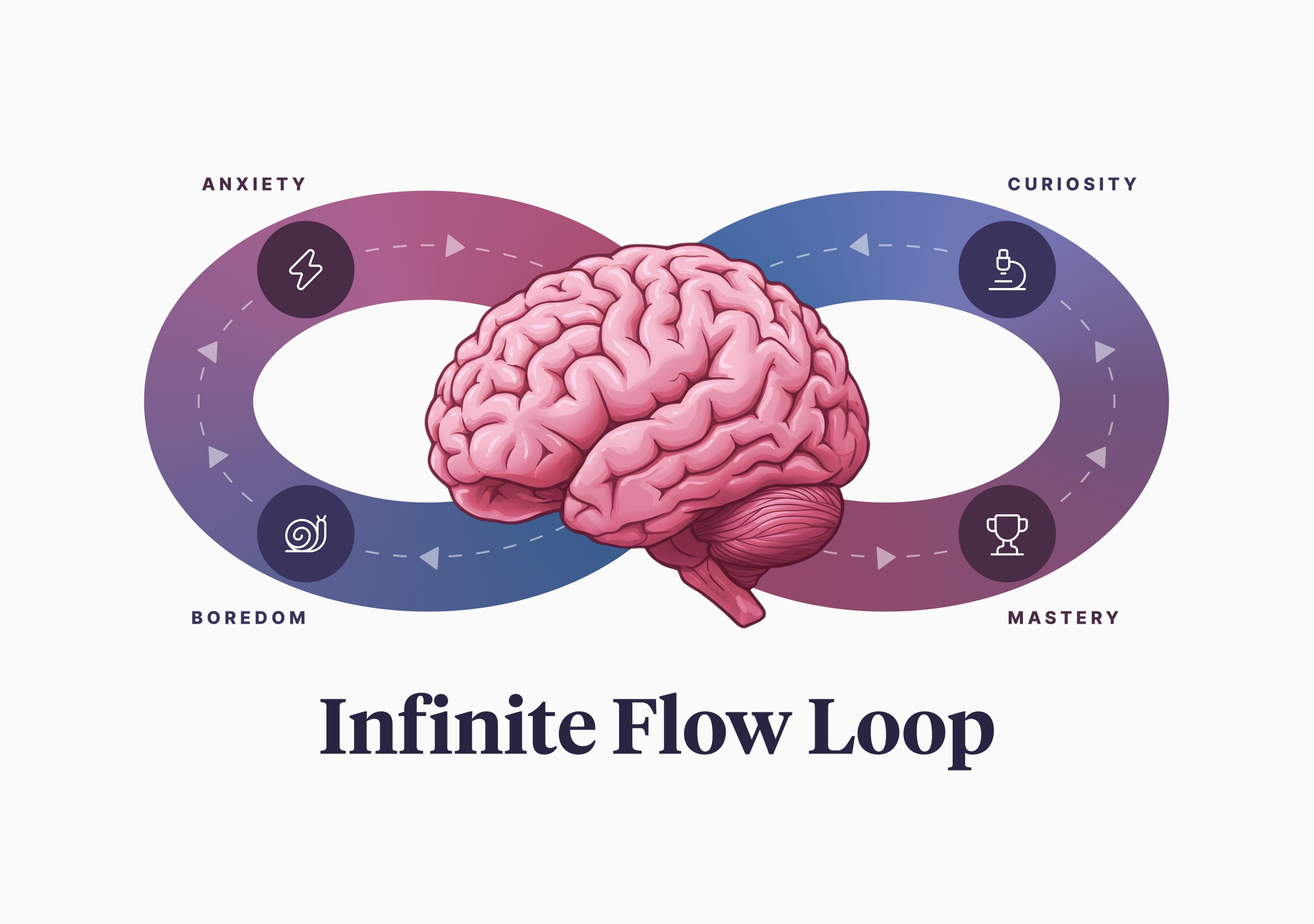
Managed to close the learning loop before my attention shifted to new interests.
Gold wasn’t my only investment. It sat alongside eight other funds covering total world, US 500, US large value, Europe, Asia Pacific, emerging markets, sustainability and carbon. I chose to avoid industries I’m not curious enough to learn. Crypto was too much like high-stakes poker for my blood, so I looked at other options.
Looking back, the boredom wasn’t really about the market. It was closer to a project coming to an end. I’d taught myself how to invest by actually doing it, and more importantly, my kids were set up with good money habits of their own. Once both of those were true, I’d graduated my own version of finance school.
When the dust settled on selling all my gold shares
My personal Sharesies account is now closed. I treated the whole thing like a summer internship at a financial start-up.
These days, the investing happens through a joint account with Ali instead. Ten percent goes in automatically, and Ali manages it from the Sharesies app. Our kids still invest each week.
Pay yourself first, the one idea I took from Babylon, is still running underneath all of it. My personal savings have crept back up too, sitting quietly alongside the mortgage payment and the drum kit I never bought. I ended up selling the original kit I owned as well, since I was hardly using it.
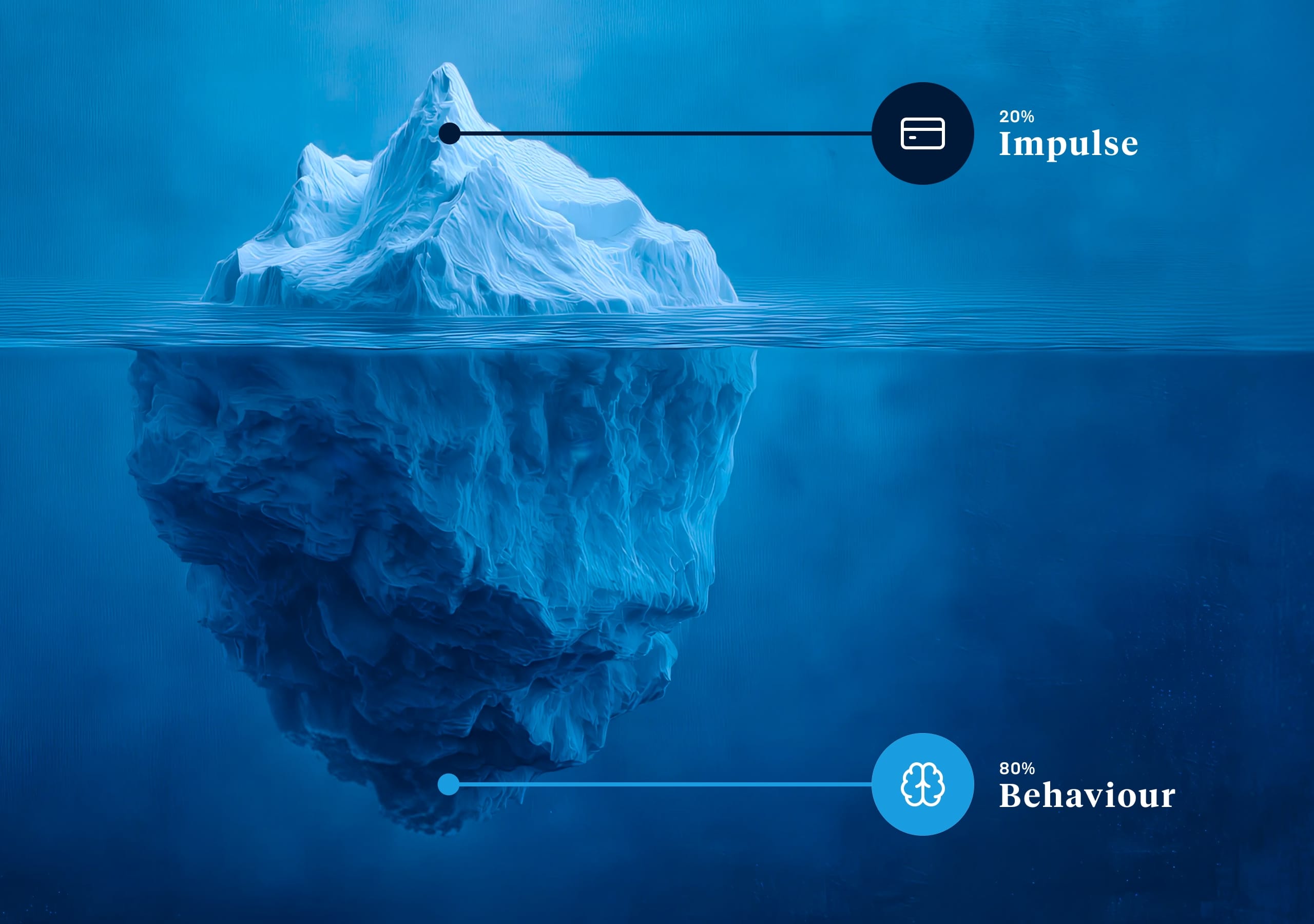
There are two ways to handle a Leo DiCaprio iceberg: go down with the ship like Titanic, or full-send like The Wolf of Wall Street. I got lucky and managed to avoid disaster.
Going full circle. I’ve had my contract extended and about to take three weeks off over the school holidays, the same stretch that once meant six months of unemployment and nowhere left to hide. Except this time I’ve got work to come back to instead of sending out resumes while I’m supposed to be relaxing on holiday. Work sorted until April 2027.
The OG skate crew is back in business for the holidays. Not because I’ve got nothing else on this time, just because I want to be. Best early Christmas gift I could’ve asked for.