#Research
User interviews, discovery, and qualitative and quantitative synthesis, the groundwork behind any design process worth trusting, from stakeholder conversations through to genuinely testing an idea before ever building it.


User interviews, discovery, and qualitative and quantitative synthesis, the groundwork behind any design process worth trusting, from stakeholder conversations through to genuinely testing an idea before ever building it.

Impulse purchases, a maxed-out credit card, and a questionable financial decision hanging in the balance. The near miss that taught me to think before I click, so I could step off "Enron's Ride of Broken Dreams" financial rollercoaster.

Scrolling Facebook, I noticed something: mostly ads, barely a friend in sight. What followed was months fighting a phone addiction, iPods, dumb phones, screen time settings, before one small NFC device actually broke the habit for good.
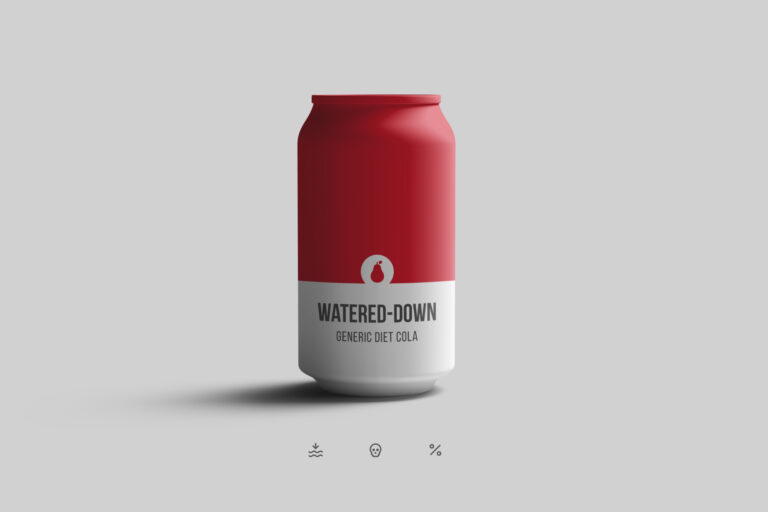
How reverse prompting, Claude asking the questions instead of me writing the brief, finally got my ideas out of my head and onto the screen without losing my own voice somewhere along the way. A method I'll genuinely keep using going.

How a search for a simple turntable stand turned into a genuine lesson in design thinking, prototyping, and communicating ideas clearly enough for someone else to actually go and build them. A prototype first, the real thing came after.
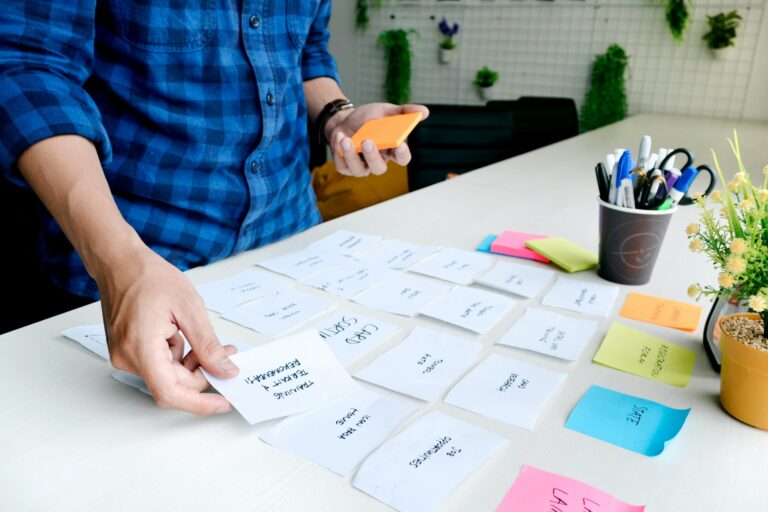
After almost 20 years in UX/UI, I wanted some formal qualifications behind me. 32 courses in with the Interaction Design Foundation, covering everything from design thinking and research through to AI, accessibility and mobile UX.

These are the fonts professional designers keep coming back to, again and again, to convey style, tone, emotion and readability. The serif and sans-serif typefaces that actually earn a place in real projects, with the history behind each.

Four cheeseburgers and a Coke for five bucks fed a whole afternoon of bodyboarding as a teenager. This baked version of the KFC 11 herbs and spices recipe scratches the exact same itch, minus the deep fryer this time around.
The questions I actually ask when interviewing for a UX/UI design role, plus the frameworks, from the three lenses of innovation through to the double diamond, that shape how I work once hired. Questions that reveal more than a resume ever.

Whenever I meet people about new roles, they ask me to explain my process. This university paper is where I first properly wrote it down, a week-by-week UX breakdown designing a police dispatch dashboard from brief to prototype.

"Where am I?" Always indicate active navigation states. A quick, practical reference covering the core principles of UX and UI design, from information architecture and affordances through to signifiers and genuinely useful testing.
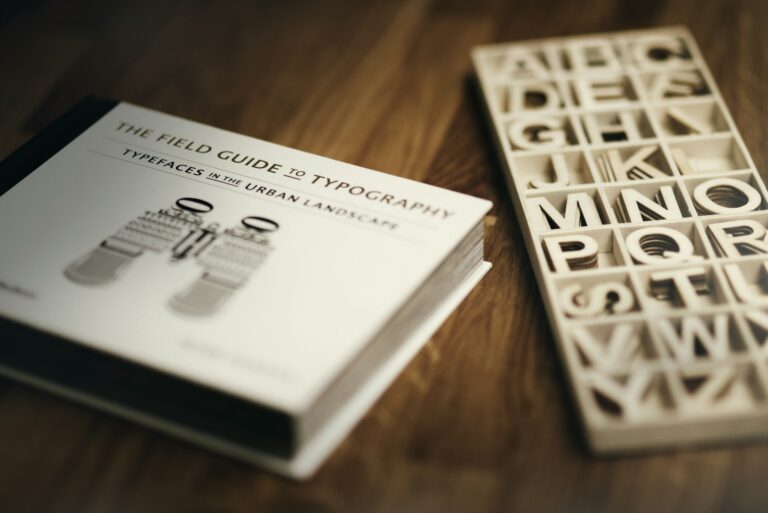
Two free geometric fonts built 30 minutes at a time. One inspired by modular Lego-like shapes, the other by Herbert Bayer's 1925 universal typeface, both released free to download, use, and adapt for personal or commercial work.