Surf workout: Flexibility, stretching & mobility training
Improve mobility and recovery with surf-specific stretches, a minimal home gym setup, and small daily habits, like surf skateboarding, that stick once motivation fades. Built around what actually works, not just theory.
Surf skateboarding for balance, turns and dry land training
Practising turns happens wherever there’s room to build speed, wide footpaths around town, skate parks, or the train station car park on a quiet weekend. How to Rip has some great videos on using the Smoothstar surf skateboard to feel out the same turn mechanics that translate straight into the water. Plus it’s a great way to warm up and practice some turns before paddling out to try them in the surf.
Protective gear wasn’t something I bothered with as a kid. Two separate accidents broke the same foot, twice. The second one cost me six months out of the water, enough to stop taking chances. I broke my foot falling off a ladder painting the house. Almost comic timing, since I was designing a health & safety app for ACC at that point, complete with a module on ladder safety.
These days it’s elbow pads, wrist guards, and the same Zamst ankle brace pro NBA players wear, obviously we’re not on the same athletic level, haha! Buy nice vs buy twice, same lesson as everywhere else in this system.
Balance training doesn’t stop at the skate park though. Some of the best practice for surfing happens nowhere near water, or even outside.
The Smoothstar surf skateboard, built for carving the same turns you’d pull off on a wave.
The idea for a home gym came about during COVID, born from the simple reality that a quick gym trip between meetings isn’t always realistic once you factor in drive time.
Going all in didn’t mean expensive dumbbells and heavy equipment, compact gear made more sense, keeping the space multi-purpose rather than a dedicated gym nobody else could use for anything else. Carpeting the garage felt like a ridiculous extravagance until I discovered it was only $800 for the carpet and installation, signed the contract on the spot.
Complete no-brainer in hindsight, and it’s earned back its cost several times over as extra space for when the kids have mates round. Long way from the garage’s previous job as the one place to hide out for ten minutes and eat an entire bag of chips in peace, some things Facebook never lets you forget.
The full kit now includes a Bosu, a TRX strap rigged off a hook in the laundry room ceiling, a surf paddle trainer, a plyo box, resistance bands, yoga mats, a surf skateboard and massage rollers.
The massage roller gets more use than anything else in the whole setup. Desk job, knotted back by 3pm most days. A travel-sized version comes on the road too, small enough to toss into luggage without a second thought.
Equipment list
BOSU Elite
TRX Suspension Trainer Club 3
Basis Surf Paddle Trainer System
XLR8 3-in-1 Wooden Plyo Box
Crossrope Get Lean Set (jump rope)
Theragun PRO 4th Gen Massage Gun & Elite Wireless Charging Stand
Smoothstar surf skateboard (34″ Filipe Toledo #77)
The full kit, from the BOSU Elite to the skipping rope, replacing the drive to the gym with a few steps into the garage.
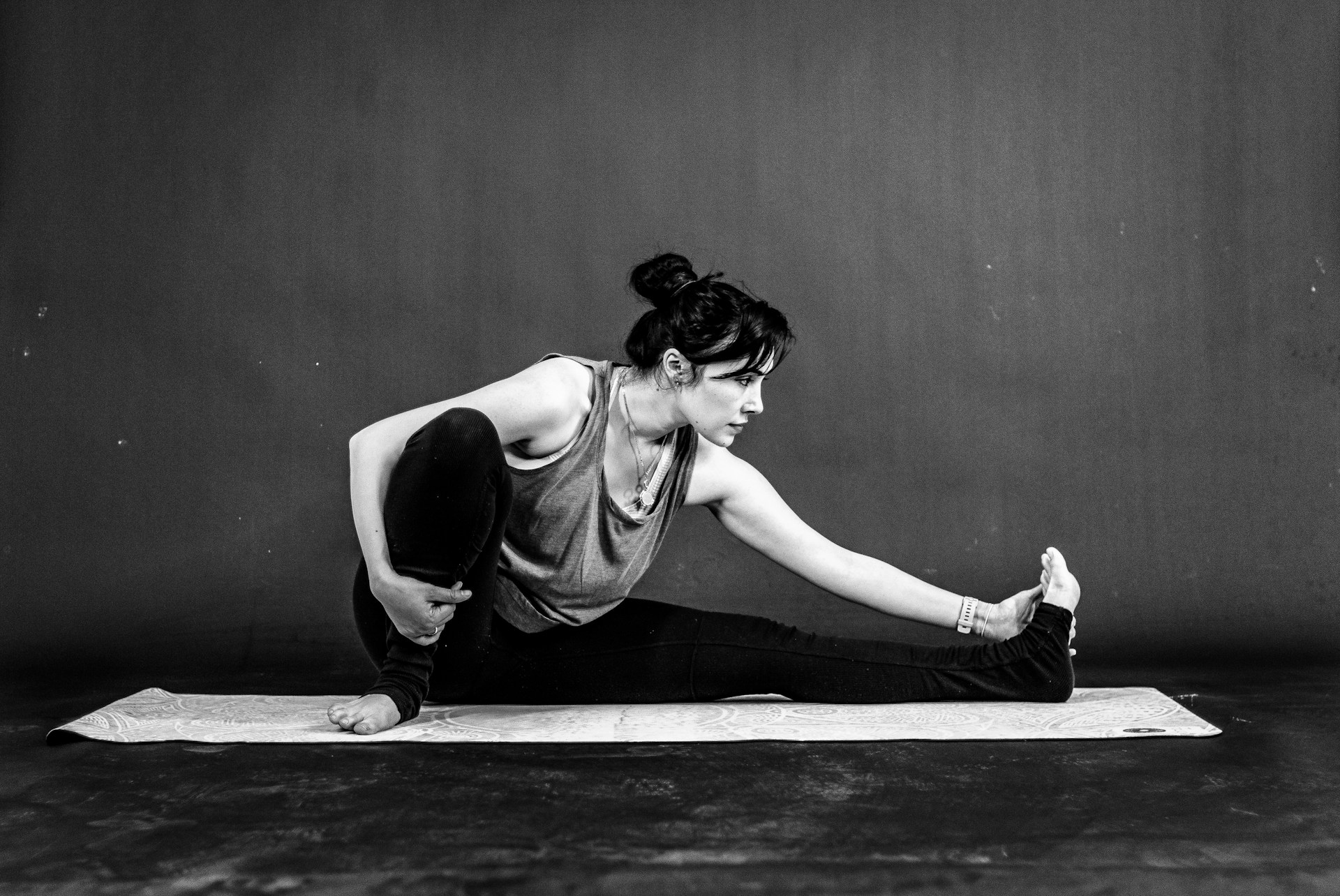
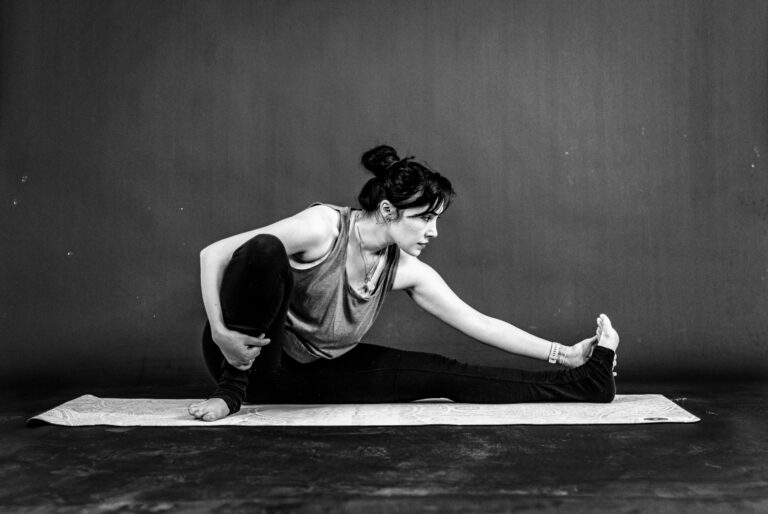
Surf flexibility, stretching and mobility workout
Here’s a breakdown of what that looks like, five blocks, moving at whatever pace the body’s asking for that day. There’s even some cardio in there to get the heart pumping.
1. Floor
Kneel lunge to stretch quads (30 sec each side)
Hip plank (5 sets × 15 reps)
Banana stretch feet and hands off of the ground (3 min)
Cobra abdominal stretch (5 sets × 30 sec)
Child pose (5 sets × 30 sec)
Standing toe touch (5 sets × 15 reps)
Foam roll (2 min)
2. Balance
BOSU lean front to back (30 sec)
BOSU lean side to side (30 sec)
BOSU squat pose or garland pose (30 sec)
Leg swing front (5 sets × 15 reps)
Leg swing across (5 sets × 15 reps)
Crossed leg (3 sets × 30 sec)
3. Cardio (HIIT)
Skipping (5 min)
Basic (1 min)
Running man (1 min)
Singles/doubles (1 min)
Crossovers (1 min)
Double unders (1 min)
Rowing machine (5 min: 15 sec hard followed by 45 sec easy). A lower impact option for your knees
4. Upper body
Swing arms hug (30 sec)
Rotate arm forward each side (30 sec)
Arms across chest (30 sec)
Rotate torso (30 sec)
Elbow stretch (30 sec)
Chest pull expand (5 sets × 15 reps)
Lat pulldown (5 sets × 15 reps)
Biceps (5 sets × 15 reps)
Band external rotation (5 sets × 15 reps each arm)
5. Core
5 minute ab workout
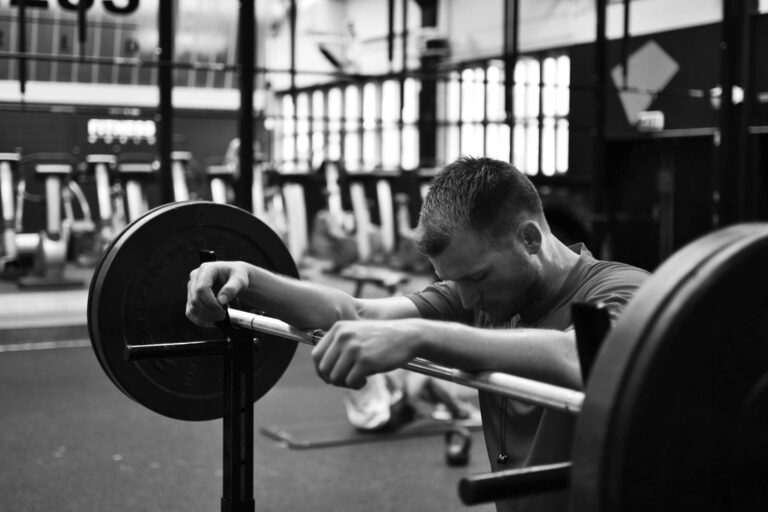
Health and fitness became my main priority
There’s a particular kind of clarity that comes with getting older, an unspoken timeline nudging your priorities into a different order, whether that’s a decision you make for yourself or, in my case, one that gets made for you.
Health became my main priority years ago, getting older, being a tired dad, and a book a friend gave me that rewired how I think about pretty much everything: How to Fail at Almost Everything and Still Win Big, by Dilbert creator Scott Adams.
The best ideas come from the most unlikely places sometimes, and this one was an unexpected find, a real hidden gem. Scott’s argument is deceptively simple: chase systems, not goals.
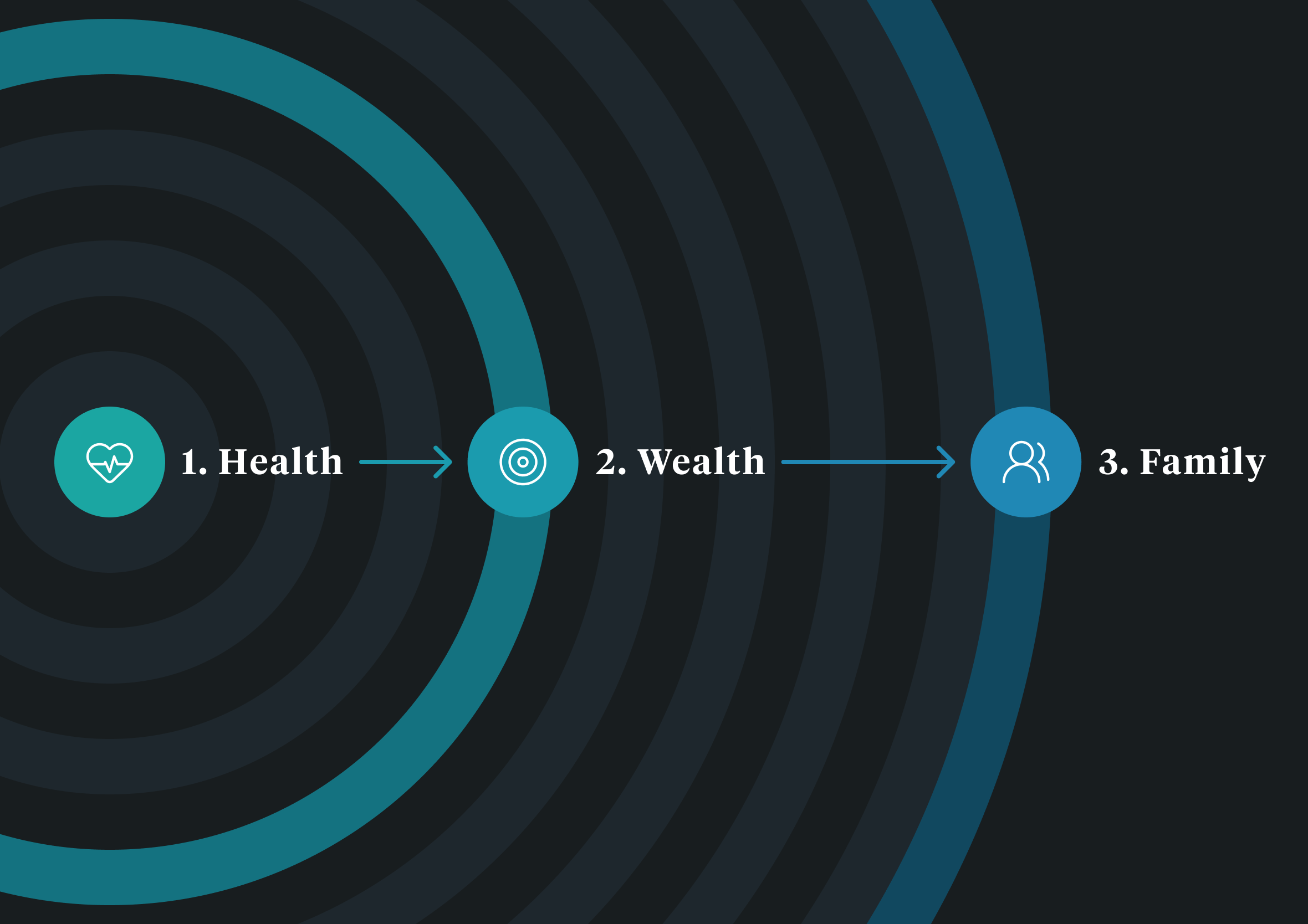
Health at the centre, wealth the next ring out, family the third. Get the inner rings right and the outer ones follow.
Build daily habits and let the results show up on their own schedule. He describes priorities as concentric circles, like an archery target, you at the centre, then everything else stacking outward from there.
The first three rings are the ones that matter most for this story:
1. Health
1st ring: Taking care of your own health since everything else revolves around this. Sleep, nutrition, movement and stress, the unglamorous basics done consistently.
2. Wealth
2nd ring: Getting your personal financial engine running properly. Built by stacking a handful of ordinary skills together rather than chasing mastery of one.
3. Family
3rd ring: Family and friends. A focus once health and wealth are sorted, not something earned eventually once everything else is “done”.
At first glance it feels like Scott got the order wrong, yet in his book he goes into detail to provide his perspective and rationale for the decision. His model keeps expanding outward from there, community, country, the world, though those rings matter less for a surf fitness article than the first three do.
That thinking is exactly why, when I sat down and properly named my own personal core values, health landed right at the top, no contest. Some days that’s a three hour, high-octane surf that leaves me wrecked in the best possible way.
Other days it’s two cups of coffee poured into a Yeti, a treadmill at the gym, and a Mastodon documentary playing on YouTube. Doesn’t get much more rock ‘n roll than that, honestly.
I even gamified it, because of course I would, that’s part of my DNA, and probably exactly what you’d expect from a UX/UI Designer.
The rule is simple: 30 minutes minimum, and it’s a flat day rate, four bucks, straight into an imaginary jar, whether the session runs long or I train twice in one day. These are 2015 prices too, which says something about how long this system has been running.
The activity itself gets chosen on the day based on mood, energy levels, or just listening to how my body’s feeling. Over the years that four dollars has quietly stacked up to well over a thousand dollars, the best, most reliable fitness incentive in my whole toolkit.
Unlocking the Tony Hawk’s Pro Skater Easter egg
To celebrate landing a new job, we bought the kids a PS5 with Tony Hawk’s Pro Skater 1+2.
Our PS4 was on its last legs, crashing and restarting constantly, and given it’s also how we use it to watch Netflix and YouTube, it felt like the right upgrade to celebrate the new job and sort the problem at the same time.
Tony Hawk’s Pro Skater 1 + 2 is a critically acclaimed 2020 skateboarding video game that completely remasters the first two iconic titles in the franchise.
The remaster has more going for it than I’d realised or remembered. Haptic feedback through the DualSense controller means you actually feel the board vibrating under you, real resistance built into tricks like reverts.
There’s a nice little detail on Venice Beach too, skate close enough to the fountains or hidden pathways near the water and actual droplets splash onto the screen like they’ve hit the camera lens. Small things, though they add up to something more immersive than the original ever managed.
Riding vert, on the game and at the skatepark in real life, is my favourite way to mimic timing a wave. I’m nowhere near doing aerial manoeuvres in the surf, though doing them on the halfpipe in the game has made me more confident carrying turns into real waves.
Almost like VR, honestly, I could feel the movement and see exactly what the trick required, then go try to replicate that poorly out in the water.
Take a breath before the wave
I take a big breath now before duck-diving or paddling for anything with size, even small stuff, it’s automatic these days. A breath before duck diving is instinctive as you see the wave approaching. I used to forget to do the same and take a breath when paddling for a wave. So now when I don’t stick a bottom turn or lose my balance popping up, I’ve still got reserves of oxygen.
Big wave surfer Mark Healey talks about this same idea, a comfortable maximum breath, not maxed to 100%. Force your lungs completely full and your diaphragm just has to work to hold it there, energy you’d rather save for the hold-down itself.
Building small habits and routines to incorporate into daily life
Home setups don’t need to be expensive, and they don’t need much space either. Unless finding the motivation to go to the gym itself is the problem, then this investment might be the better option.
None of my equipment was purchased all at once. Gear got added slowly over the years, whatever made sense at the time, always against one test: will this actually help my surfing? Buying on demand beats buying everything upfront, and suits my minimal design approach too. I hate clutter. Everything in that garage has to earn its place.
That same discipline carries over into keeping up a stretching routine before and after a surf. That’s its own story. Read the pre-surf stretching or the post-surf recovery articles.
Surf workout series
Four parts that work as one complete system. Strength training, built from the ground up after a shoulder injury. Flexibility and mobility, the small daily rituals that keep it moving. The routine that actually gets me out the door on cold mornings. Stretching, hydration and nutrition that close the loop on recovery.
How I built my own surf strength training routine from scratch after a shoulder injury, the actual workout, the gear that matters, and what changed once I stopped chasing goals and built systems. No shortcuts, just a proper, structured plan.
Improve mobility and recovery with surf-specific stretches, a minimal home gym setup, and small daily habits, like surf skateboarding, that stick once motivation fades. Built around what actually works, not just theory.
The system that gets me out the door on cold mornings, wetsuit on before I've even checked the cam, gear packed the night before, no room left to talk myself out of it. Plus the actual warm-up and stretch routine I run through every time.
The stretch routine, hydration timing and nutrition habits that make recovery actually happen, especially in winter when it's the last thing you want to do. Built around the same gluten and dairy-free rules as everything else here.