#Design process UX/UI
End-to-end design methodologies, execution, and practical workflows, from baseline grids and font choices through to a 10-step process, a no-code portfolio rebuild, and the basics every new designer genuinely needs to know.


End-to-end design methodologies, execution, and practical workflows, from baseline grids and font choices through to a 10-step process, a no-code portfolio rebuild, and the basics every new designer genuinely needs to know.
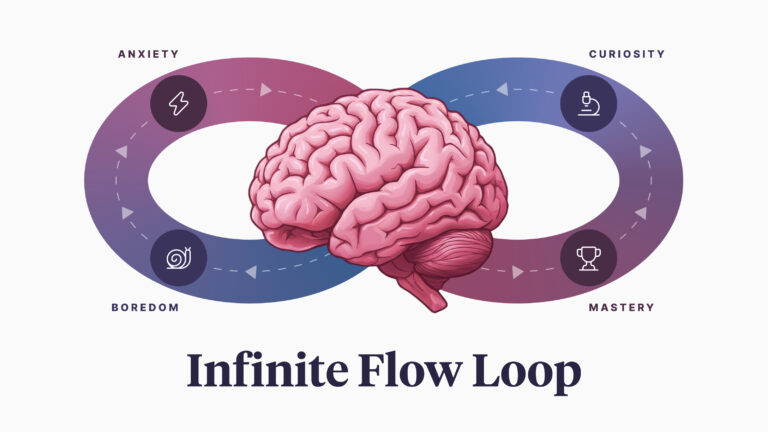
How one direct piece of feedback from a content designer turned my tangled, chaotic Figma files into a genuine three-part system, chaos, calm and clarity, one I still rely on for every project. A shift that changed how every project since.
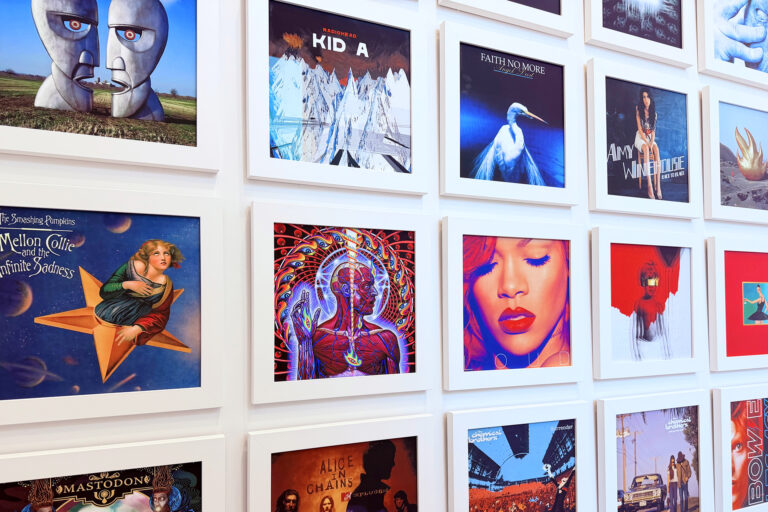
A year and a half in the making: 50 album covers, custom framing, and a four-metre gallery wall built from scratch in my stairwell. Here's how the whole thing actually came together, one frame and one wall bracket at a time.
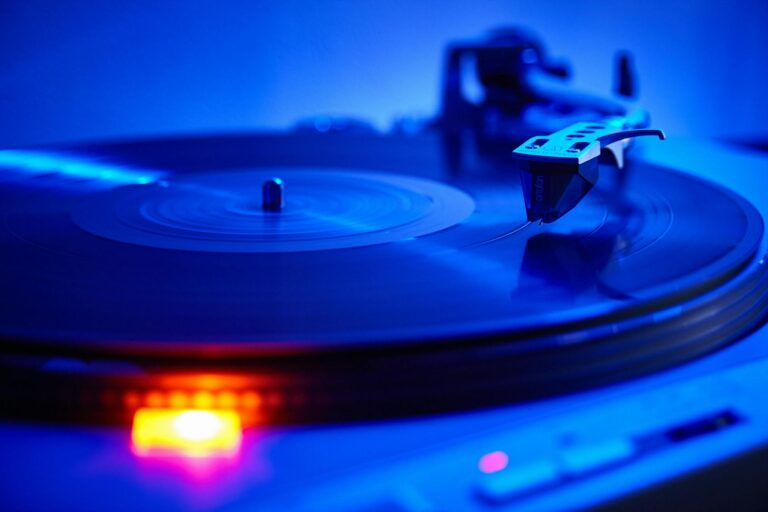
How a search for a simple turntable stand turned into a genuine lesson in design thinking, prototyping, and communicating ideas clearly enough for someone else to actually go and build them. A prototype first, the real thing came after.
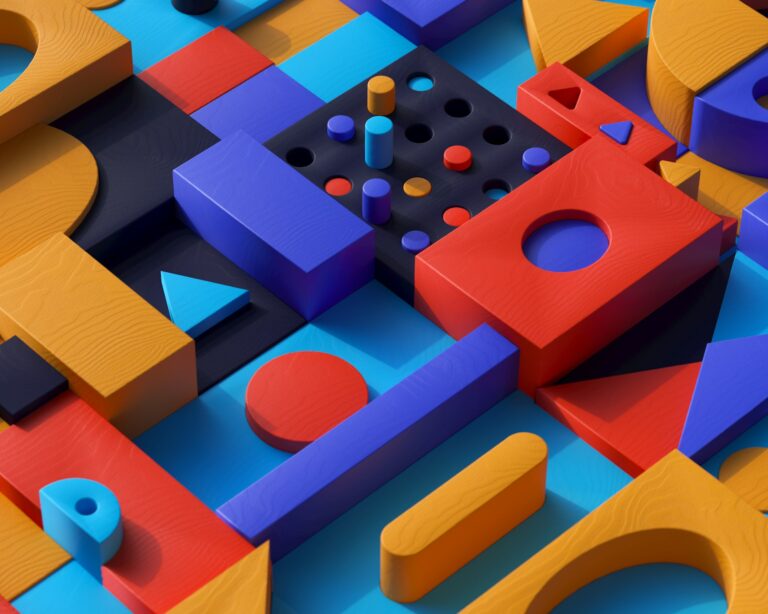
"What's your design process?" I get asked this constantly, and for years I genuinely didn't have a real answer. This is the exact 10-step process I finally wrote down, from initial brief through to final delivery to a client.
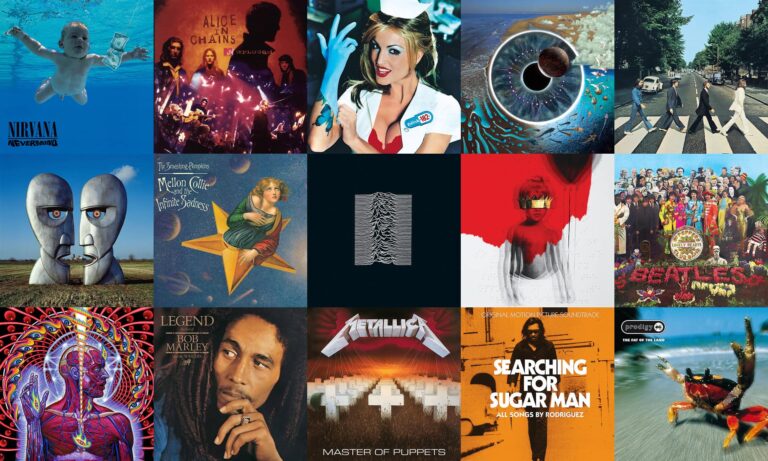
The backstory, hidden details and the designers behind 50 of the most interesting and iconic album covers ever made, chosen and ranked one by one, covering decades of music, art direction and graphic design history from record sleeves.
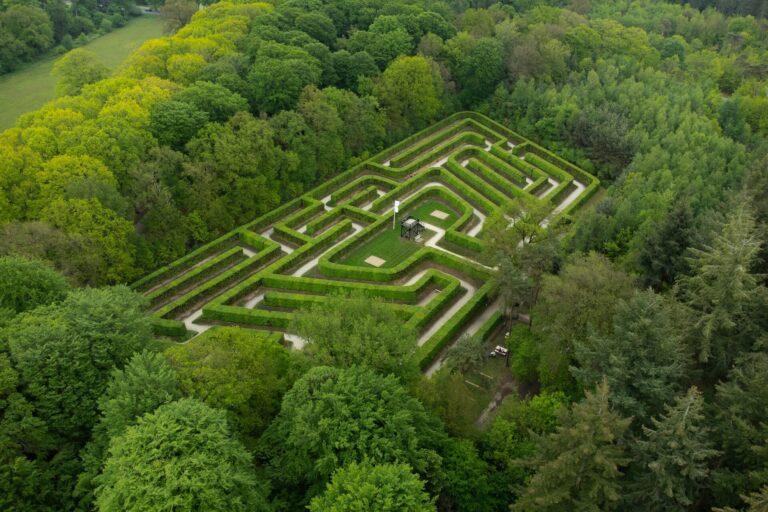
Six weeks of nights and weekends, hundreds of AI prompts, and one very old, PHP-patched website. Here's everything I learned rebuilding my UX/UI portfolio from the ground up, low-code, on WordPress. Every mistake included, nothing glossed.
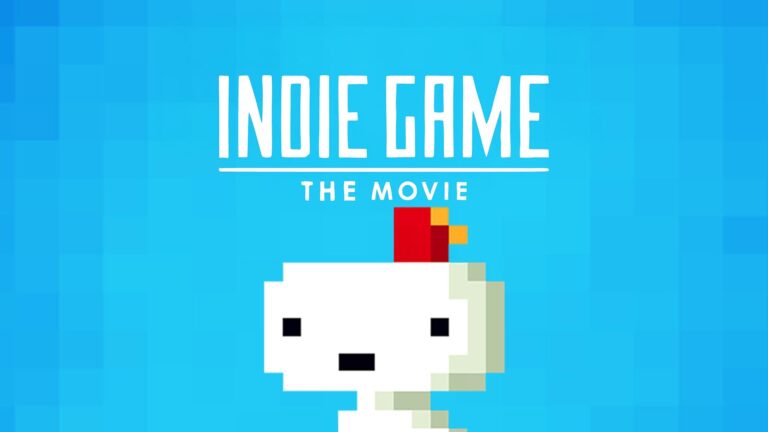
Nine documentaries about design, creativity and craft that are genuinely worth your time, covering graphic design, typography, urban planning, advertising and indie game development from people who obsess over the details.
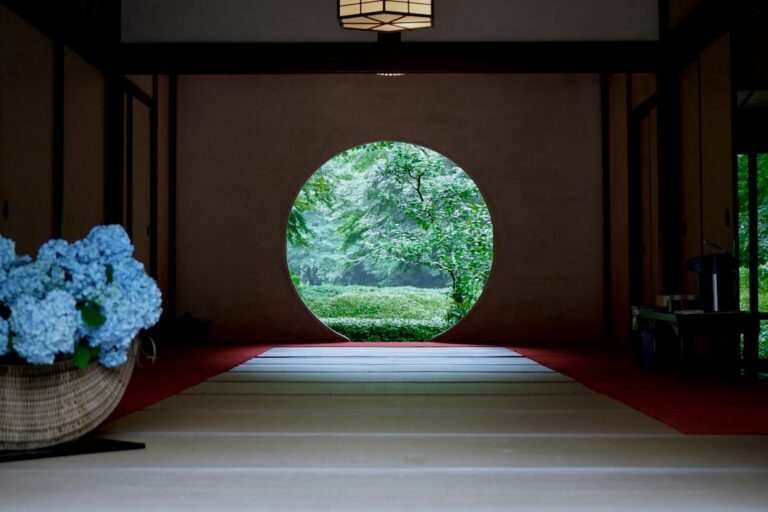
A pushback on the "designers should" genre of advice, this one included. Whether it's coding, degrees or portfolios, here are some honest alternatives to help you make up your own mind instead of following someone else's rulebook.

These are the fonts professional designers keep coming back to, again and again, to convey style, tone, emotion and readability. The serif and sans-serif typefaces that actually earn a place in real projects, with the history behind each.

These books aren't really about the industries they're set in, they're about the people behind them: founders who bootstrapped from nothing, a cartoonist who turned failure into a career. A reading list that genuinely reshaped how I think.
Whenever I meet people about new roles, they ask me to explain my process. This university paper is where I first properly wrote it down, a week-by-week UX breakdown designing a police dispatch dashboard from brief to prototype.

How I use a 4px/8px baseline grid alongside a traditional typographic scale to create consistent, well-structured layouts across both web and mobile design, without second-guessing spacing decisions on every single screen.
"What's the problem you're trying to solve?" That's usually my first question when exploring a new opportunity, and honestly, the answer carries a lot of weight. Here's what my ideal Product Design UX/UI role would actually look like.
"Where am I?" Always indicate active navigation states. A quick, practical reference covering the core principles of UX and UI design, from information architecture and affordances through to signifiers and genuinely useful testing.
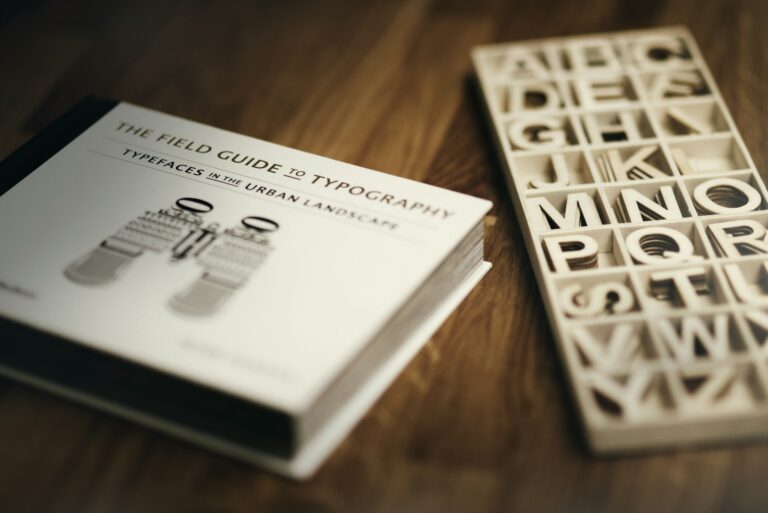
Two free geometric fonts built 30 minutes at a time. One inspired by modular Lego-like shapes, the other by Herbert Bayer's 1925 universal typeface, both released free to download, use, and adapt for personal or commercial work.
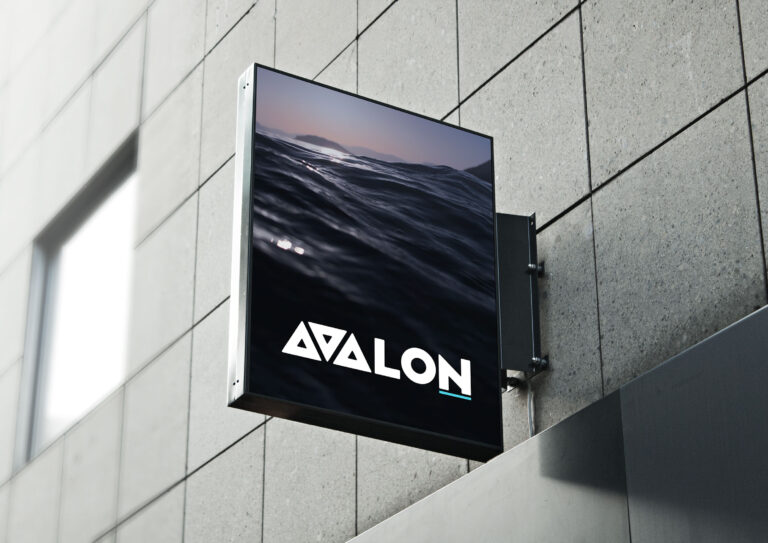
Logo design isn't my primary service, but it's something I genuinely enjoy doing. Over the years I've taken on the occasional branding project alongside my core UX/UI work, plus a few personal ones just for the fun of it.