A pushback on the "designers should" genre of advice, this one included. Whether it's coding, degrees or portfolios, here are some honest alternatives to help you make up your own mind instead of following someone else's rulebook.
Boundaries and limitations
Every so often you stumble across a tsunami of posts about “Designers should…” where authors go into great detail about the rules, limitations and approaches you ought to follow. Following someone else’s rules too closely can mean second-guessing decisions that were never actually wrong, just different from how they’d do it. Everyone’s entitled to their opinion, and I’d rather reframe the conversation so it’s less of an order and more of a discussion, a sharing of ideas and different points of view. These posts tend to fail to consider other perspectives, and followed too rigidly, “should” advice becomes prescriptive rather than creative and exploratory, when experimenting is the whole point.
Online learning platforms, design conferences and communities, and code hackathons mean there’s more choice now than ever to find a way that actually works for you and your situation. I’m a big fan of “to each their own” and letting people decide what works best. Take other people’s unsolicited advice, mine included, with a grain of salt and figure out what’s right for you.
Should designers code?
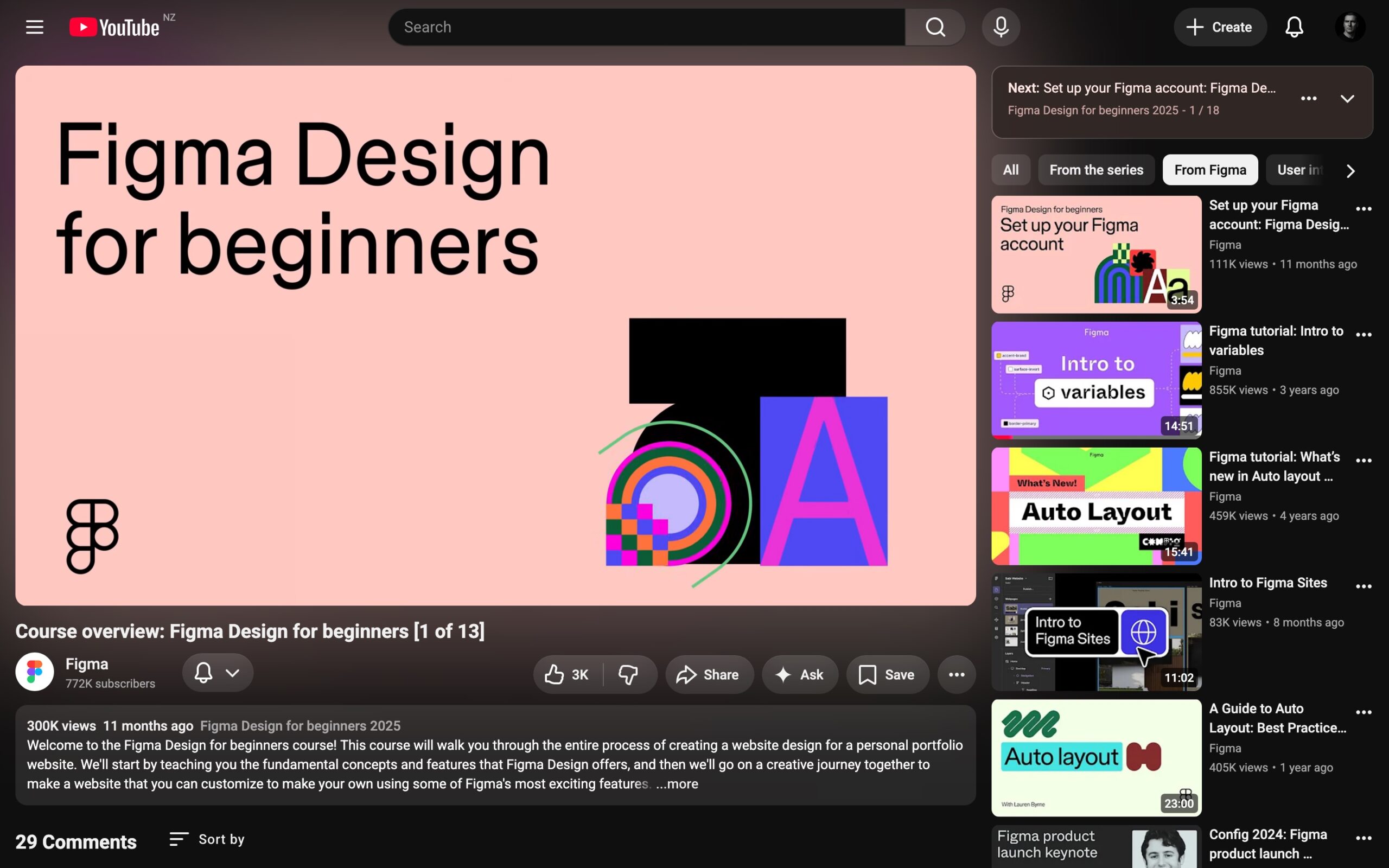
Having a basic understanding of HTML and CSS will help you make the most of Figma’s Auto Layout features and give you a better sense of how responsive websites and mobile apps are built. It also helps to understand the collaborative design process from a developer’s side too, since the relationship works both ways. A developer with a basic understanding of design fundamentals can improve the collaboration process significantly. There’s also a strong case for playing to your strengths and having genuine respect for what other people bring to the table.
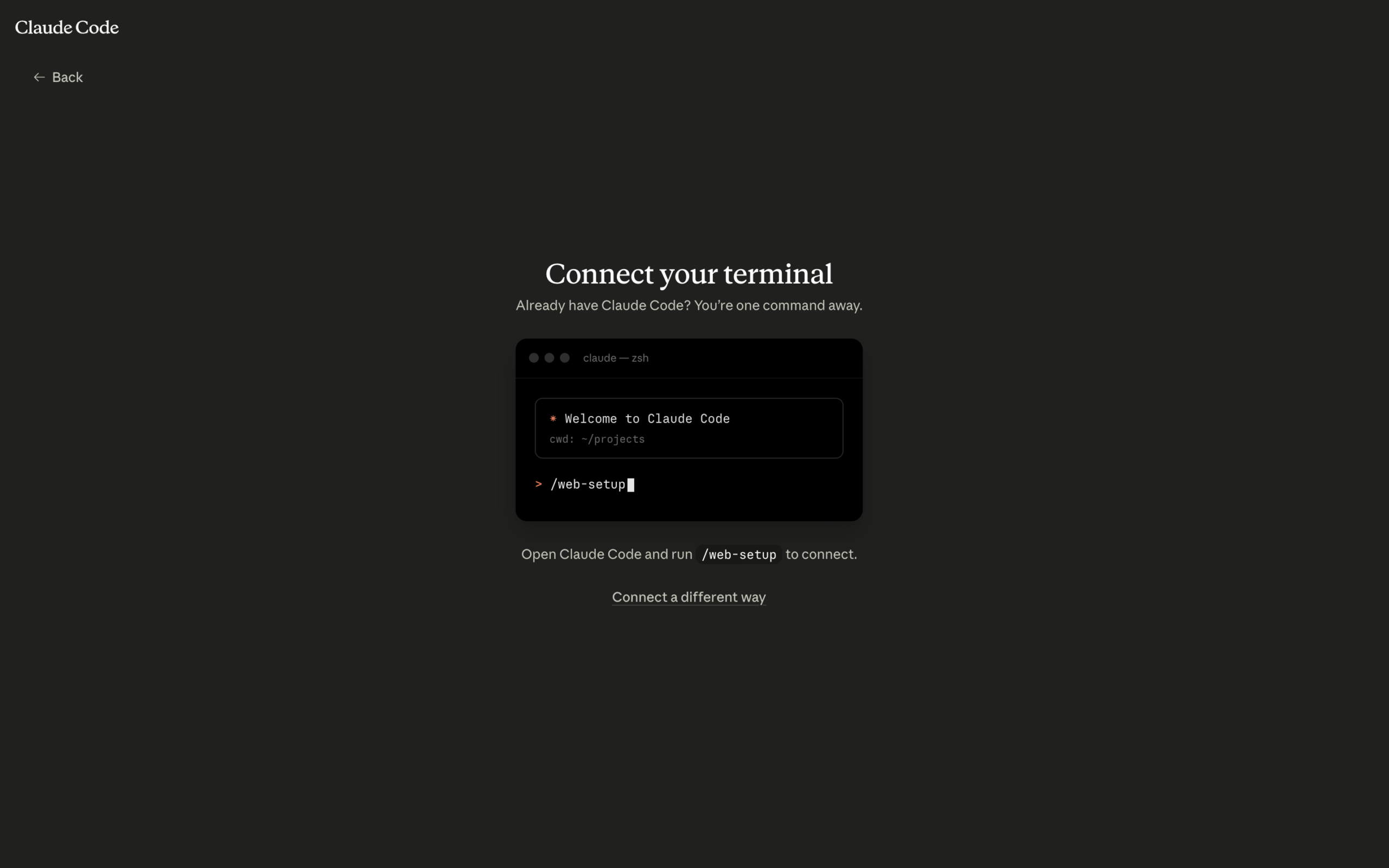
Prototyping an interaction before a single line of production code exists
With the explosion of AI coding tools recently, with a few well-crafted prompts you can quickly build interactions, flows, and even apps to see your designs come to life. You can even add another level of realism for usability testing with users. I’m not qualified enough to comment on the quality of the code. However, it’s an option that’s well worth exploring, and you may even gain a deeper understanding of code as you tweak and refine it in partnership with AI.
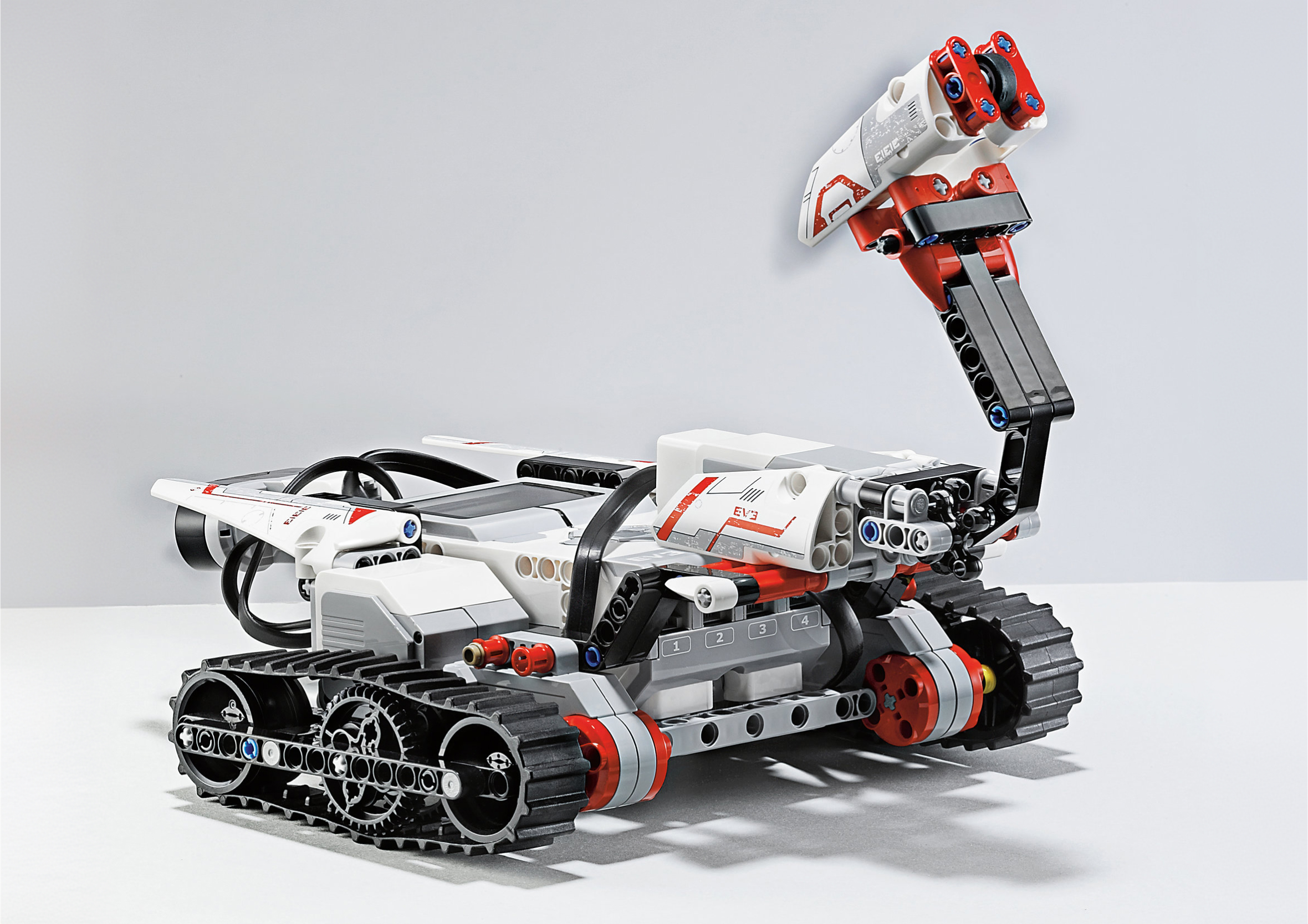
You could even learn to code as a by-product by combining learning with Lego. As you build, test, and improve your LEGO robots, you’ll naturally pick up programming concepts along the way. Before long, you’ll understand loops, variables, sensors, and logic because you’ve been using them to solve real problems.
Learn to code at home with a LEGO® set
Should designers have a degree?
Don’t get me wrong, if you’re aiming for a profession that requires a degree, like law, medicine, engineering, or accounting, you should 100% go to university. For those careers, formal training and qualifications are required for a reason. University absolutely earns its place.
In my experience, universities can be behind the curve, with more focus on theory than real-world practical application. Back in 2016, I actually looked into a degree in user experience design myself. One paper in, I found the material was already outdated, and I could teach myself the same things online for a fraction of the cost. It was an expensive lesson, learning I didn’t need a degree to be good at design.
For what it’s worth, I got an A in that paper, so feel free to tell people I was a straight-A university student. Online learning suits how my brain works too, my neurodiversity included, and it’s how I’ve picked up most of what I know about design.
$150k on a f*ckin’ education you coulda got for $1.50 at the Public Library?
If you learn by doing, you can teach yourself industry-recognised tools like Figma and Webflow for a fraction of the cost. The fundamentals of design can be picked up through books and online courses. That said, a degree might still be the right path for some people and how they learn best. It’s up for grabs.
Consider what makes the most sense for your learning style. A few good places to start:
Every recruiter I’ve spoken with ends the conversation with “Send me your resume and a link to your portfolio.” Structure yours around case studies rather than just finished screens, and include real customer quotes and metrics where you can, to show the impact of your work. I’ve written in more depth about how to actually gather that material as you go, in the “Gather the puzzle pieces” section of my article on systems thinking and career growth, rather than reconstructing it after the fact.
I’ve suggested doing case study walkthroughs over design challenges during interviews. In my experience, design challenges don’t accurately reflect real-world problem-solving or give you the chance to explain your approach properly. A solid case study lets you speak with confidence about something tangible you’ve delivered, including the wins and the challenges.
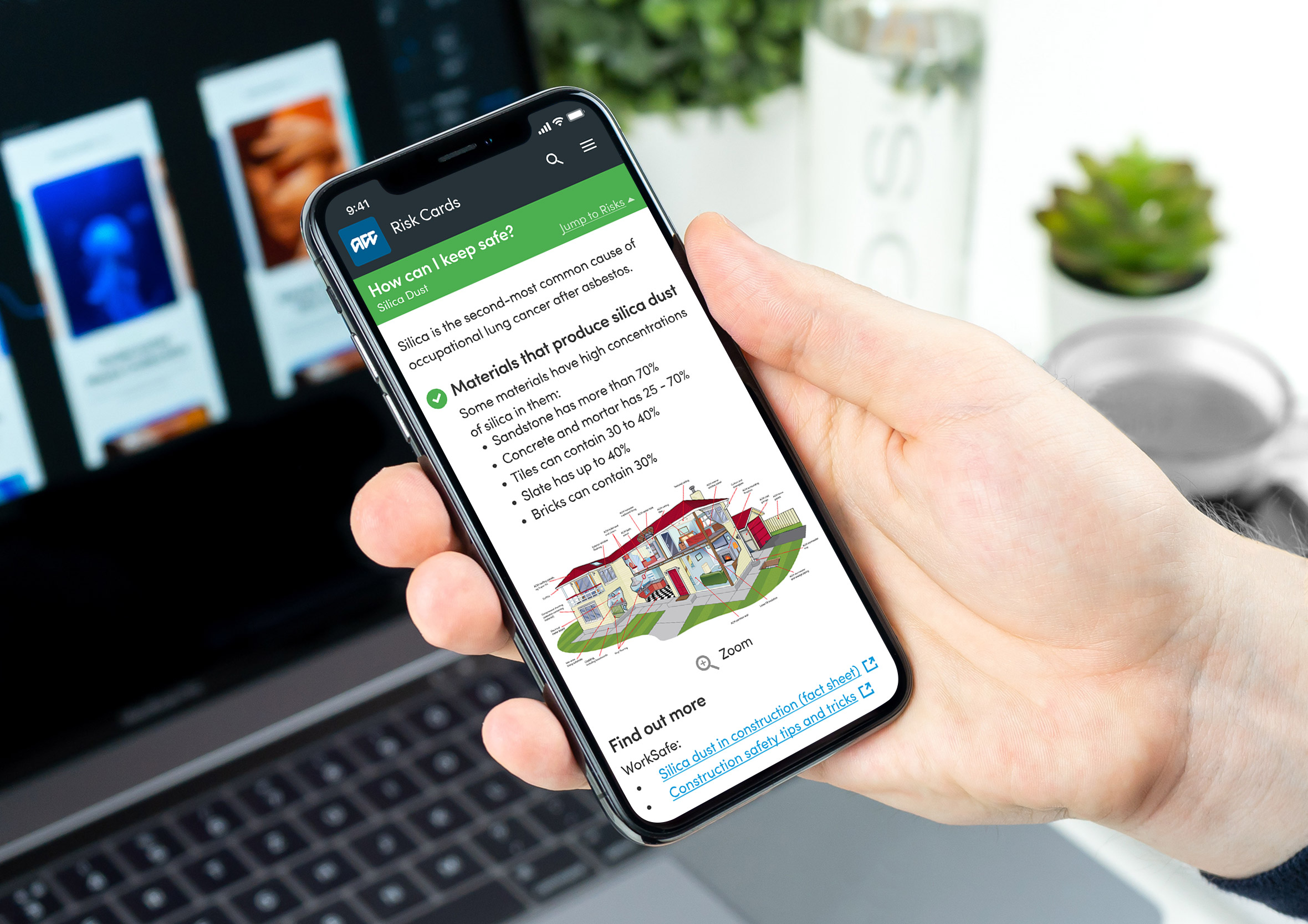
The layout option that came out of watching people actually use it
There’s a real argument against portfolios worth taking seriously too. Some designers say their reputation and past work speak for themselves, they’re