Books that reshaped how I think, design & view the world
These books aren't really about the industries they're set in, they're about the people behind them: founders who bootstrapped from nothing, a cartoonist who turned failure into a career. A reading list that genuinely reshaped how I think.
Real people, real stories
These books aren’t really about the industries they’re set in. They’re about the people behind them, founders who bootstrapped a business from nothing, a cartoonist who turned failure into a career, two Navy SEALs who took battlefield lessons into the boardroom. The common thread isn’t the subject matter, it’s watching how someone actually thinks, and that’s stuck with me more than any single framework or system.
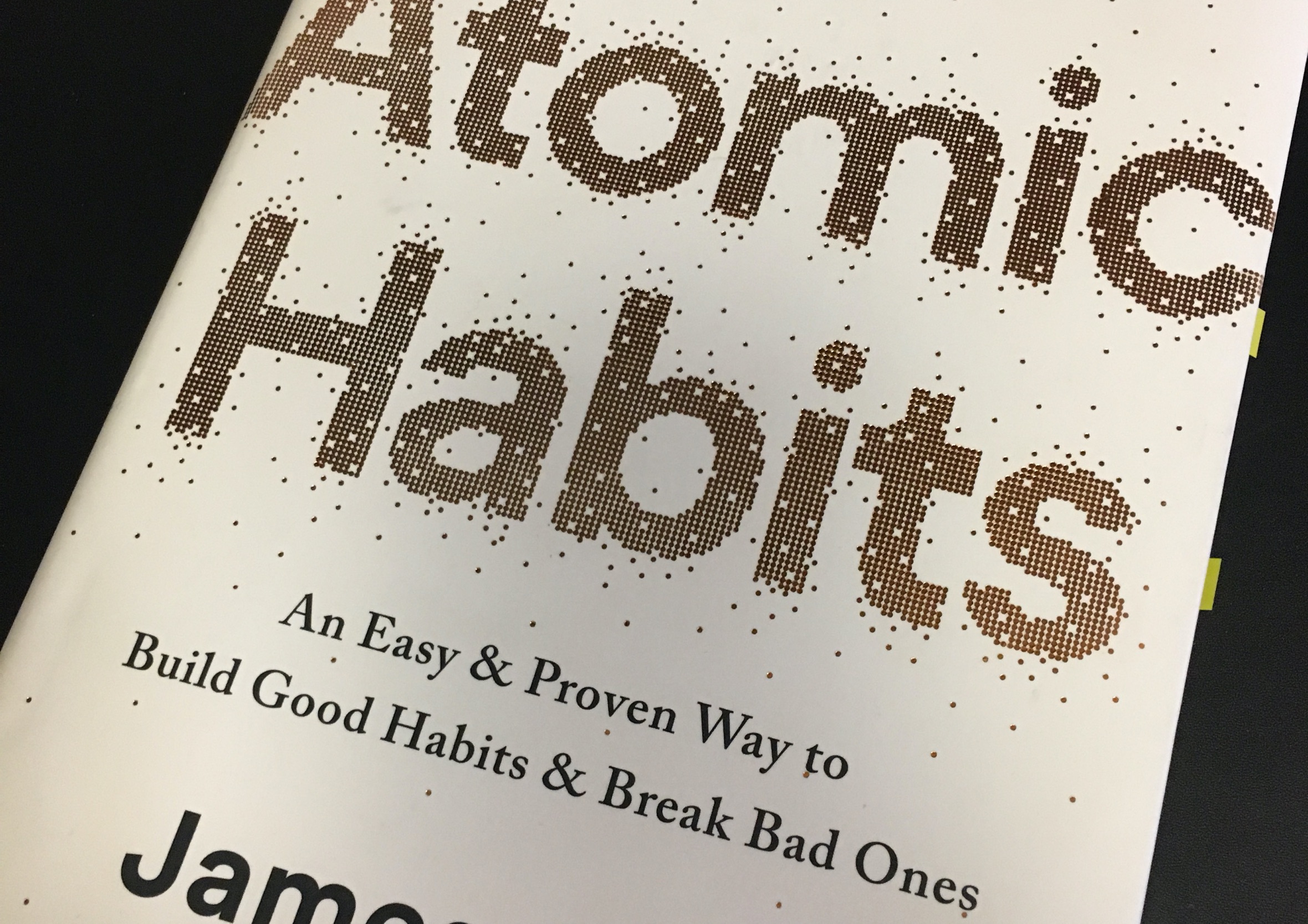
Atomic Habits
An Easy & Proven Way to Build Good Habits & Break Bad Ones: By creating small habits over time (sometimes months or even years) you are more likely to achieve your goals. All these incremental changes combine and compound to help get you to your final destination. James frames it around identity rather than outcomes, you don’t just want to run a marathon, you want to become a runner. That shift in framing is the part that’s stayed with me the longest.
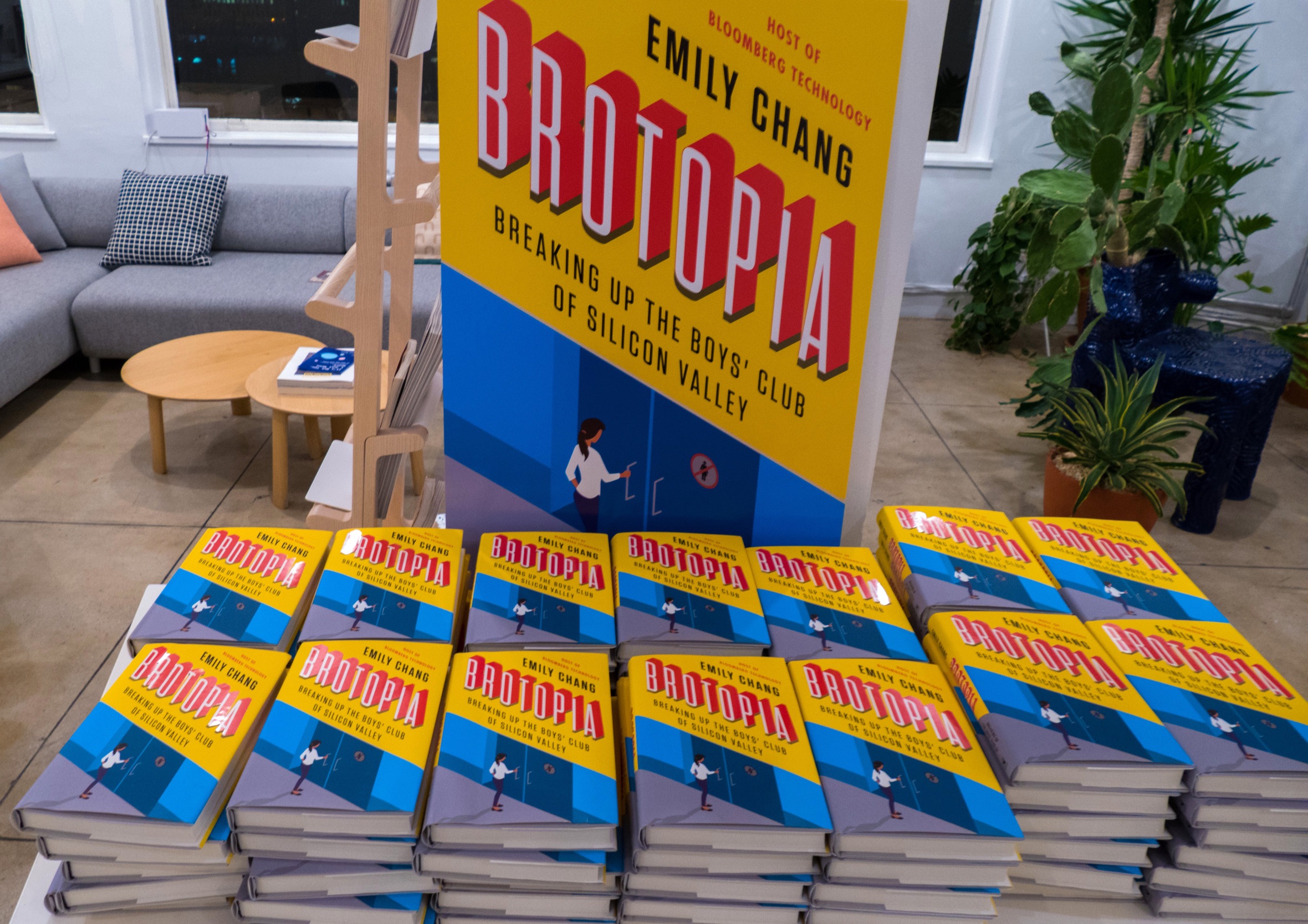
Breaking Up the Boys’ Club of Silicon Valley: Emily talks about how females and minorities have been seriously underrepresented in the early Silicon Valley scene, and the serious implications this has on emerging technologies. Diversity provides greater perspectives and ultimately a better design solution. It’s an uncomfortable read at times, yet an important one for anyone working in tech, especially if you’ve never had to think about it.
Reinvent the Way You Make a Living, Do What You Love, and Create a New Future: Practical advice on how you can start a micro business for $100… or less. Combining your passion with something people are willing to buy and then making it as easy as possible for them to pay for what you’re selling. Chris mentions, you’ll have greater success if whatever you’re offering solves a problem and/or helps people so this should be at the heart of all your business ideas. He built the book around real case studies of people who did exactly this, which makes the advice feel a lot less theoretical than most business books in this space.
Secrets and Lies in a Silicon Valley Startup: Based on the true story of a Silicon Valley startup which claimed it could analyse a single drop of human blood to get a complete picture of a person’s health. It starts off raising a few questions and gets more and more bizarre the further into the book you go. A fascinating peek into the cross-section of startups and venture capitalism. A real smoke and mirrors tale. It’s a genuinely gripping account of how far a founder can push a story before reality catches up, and a good reminder that conviction alone was never the same as a working product.
How to Create Tech Products Customers Love: Marty talks about creating a strong alliance between Design/Technology/Business to collaborate and create products customers love. By taking the customer’s voice (design), infrastructure constraints (technology) and ROI (business) to find the sweet spot, not too different from how collaborative and relationships thinking shapes my own approach. Ideally, solving problems for customers while generating revenue for the business, win/win. Marty’s background across Silicon Valley product teams gives the advice real weight, this isn’t theory, it’s what he’s actually seen work and fail. This one landed while I was deep in a consumer banking app rebuild, stripping everything back to just four things people actually needed.
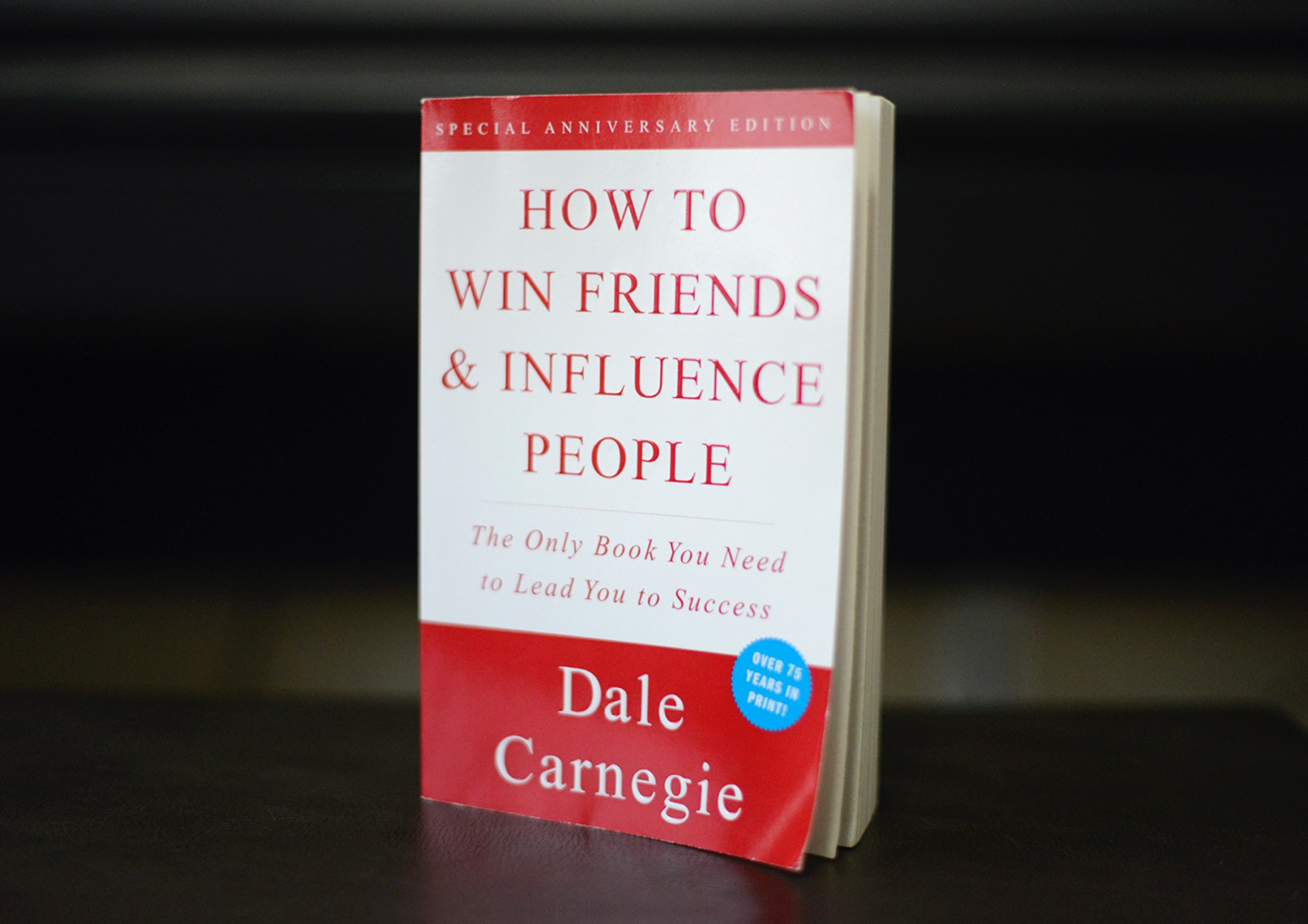
The Only Book You Need to Lead You to Success: This book has stood the test of time, and for good reason. It covers the fundamental techniques in dealing with people, ways to make people like you, how to win people to your way of thinking and how to become a better leader. The writing style is a little dated, yet the content is timeless and applies to everyday interaction. It was written in 1936 and every principle in it still holds up, which says a lot about how little the fundamentals of working with people have actually changed.
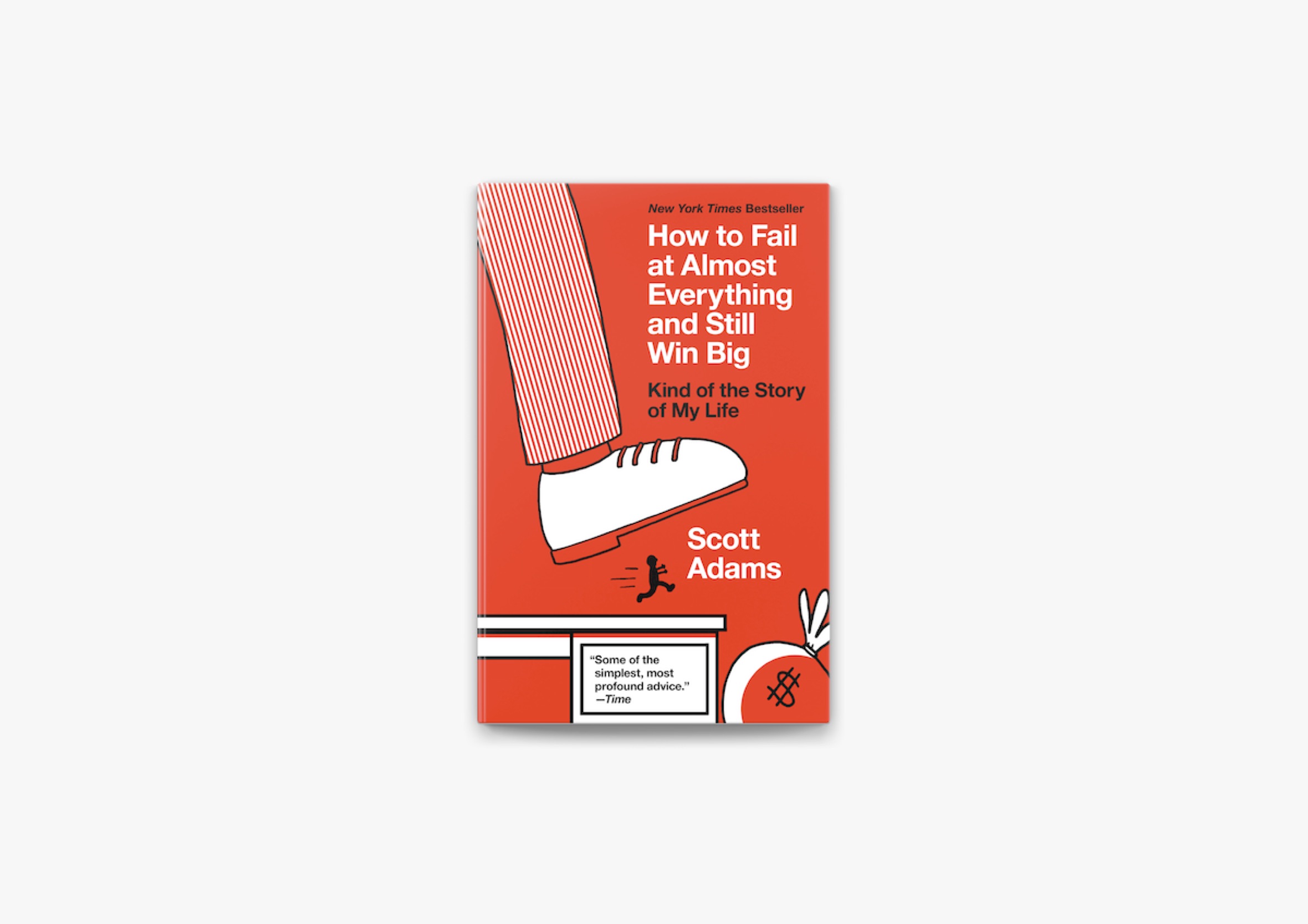
How to Fail at Almost Everything and Still Win Big
Kind of the Story of My Life: Scott Adams, the creator of Dilbert, talks about how you can create systems (daily habits) instead of goals (the final destination). By focusing on the “here and now” instead of focusing on the bigger picture you’ll have more success. A huge emphasis is placed on focusing on health, wealth and family in order to live a more rewarding and meaningful life. One idea that’s stuck with me is his talent stacking, building a broad set of ordinary skills that combine into something rare, rather than trying to become world-class at just one thing. I go into this one properly over on my systems thinking surf workout routine.
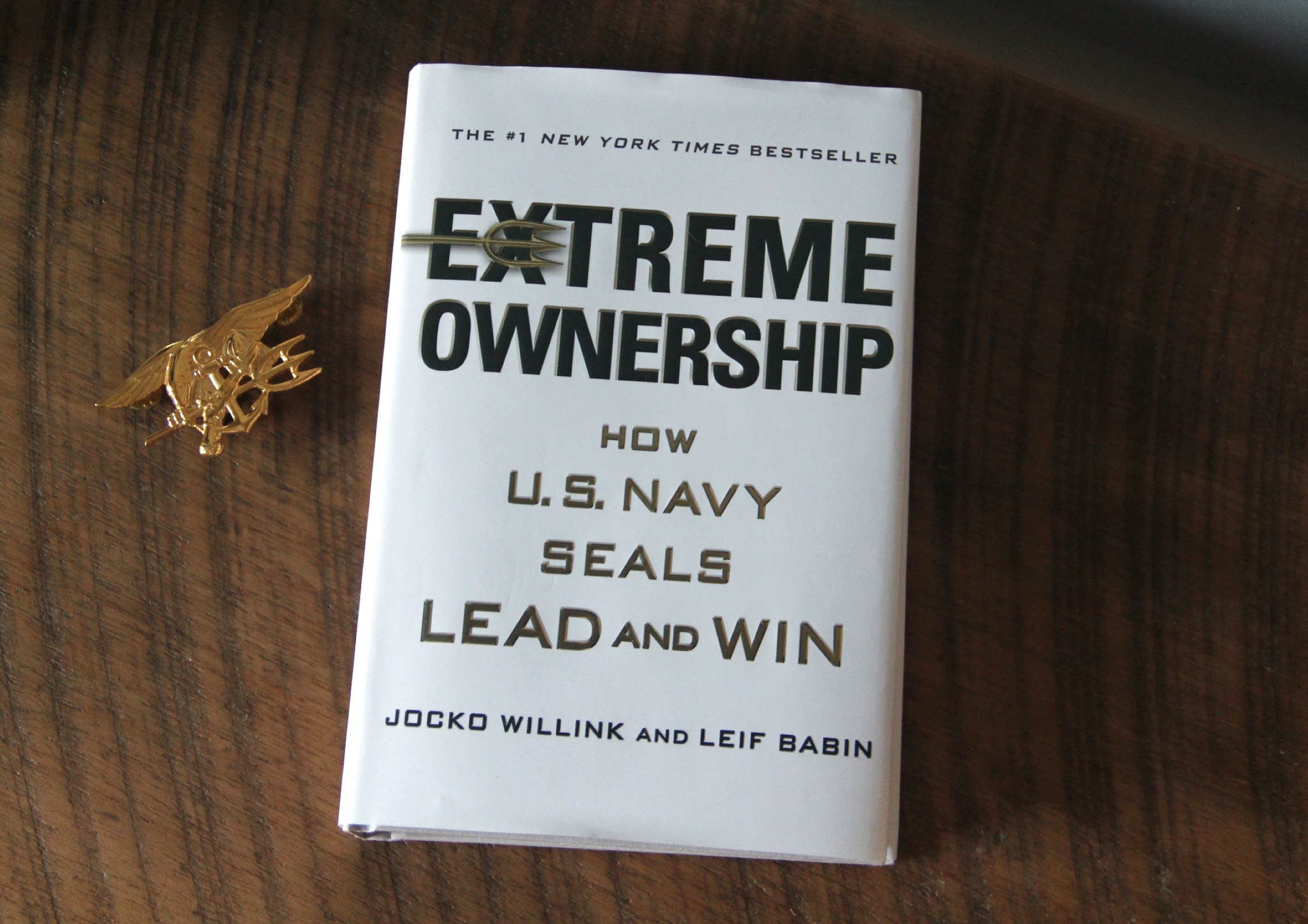
How U.S. Navy SEALs Lead and Win: Jocko and Leif are ex-Navy Seals who have taken what they’ve learned in the field and adopted it for their strategy and leadership business. Very rarely do business decisions have fatal consequences, however, we need to take extreme ownership for both our successes and failures. Jocko and Leif spent years leading SEAL teams in Ramadi before taking those same principles into leadership consulting, and the book doesn’t soften the transition, the stakes in their stories make the lessons land harder.
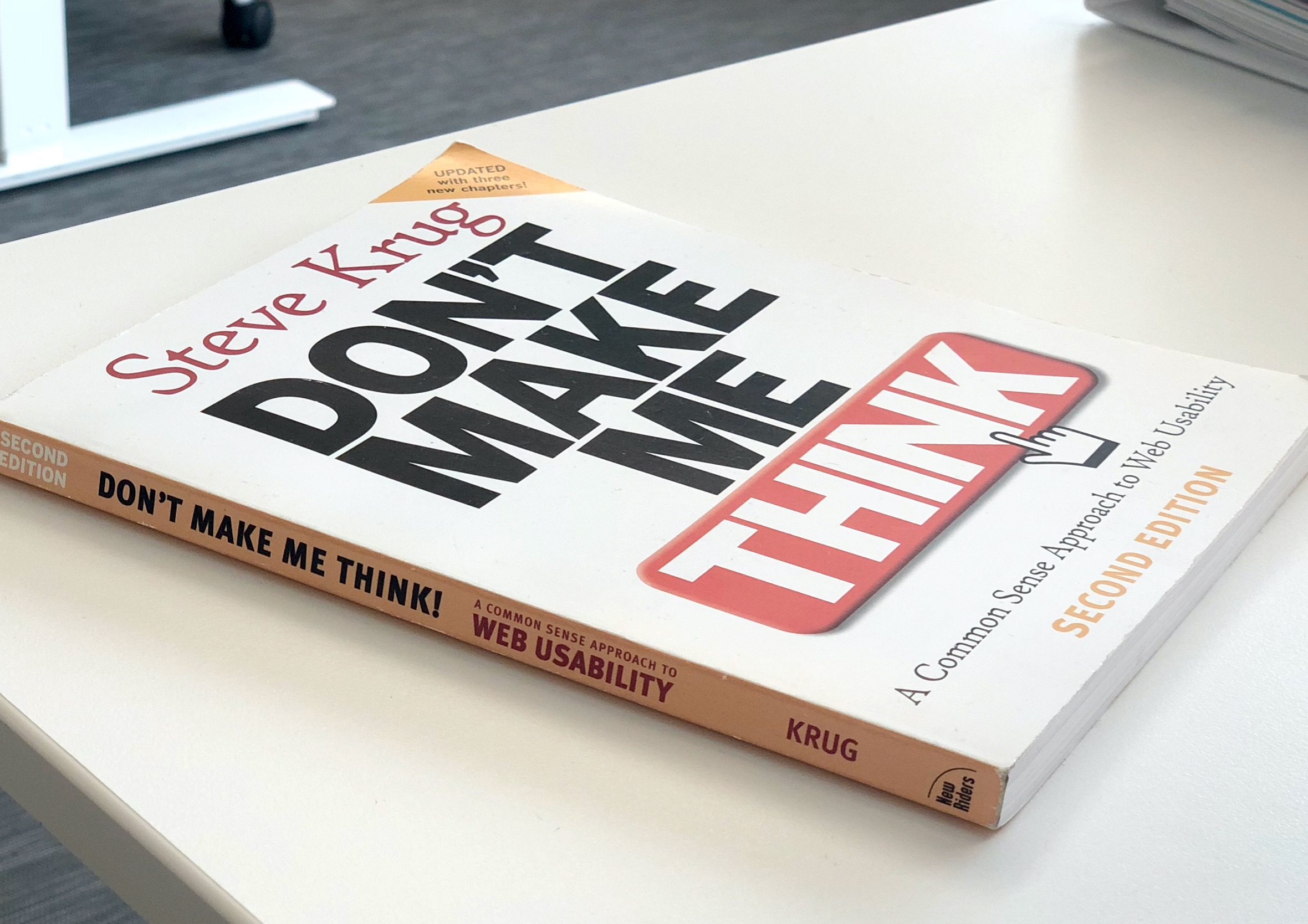
A Common Sense Approach to Web Usability (Voices That Matter): You’ll find this in the bookshelves of most designers and it will most likely look well-read. Steve provides a common-sense approach to usability for web and mobile. By removing confusion (which makes people think even for a second) you’ll be well on your way to creating engaging and intuitive products/services. When I was at Design School this was recommended reading and it’s a great addition to any book collection. It’s short, practical, and still the book I point people toward first when they ask where to start with usability. This thinking genuinely runs through every complex system I’ve ever touched.
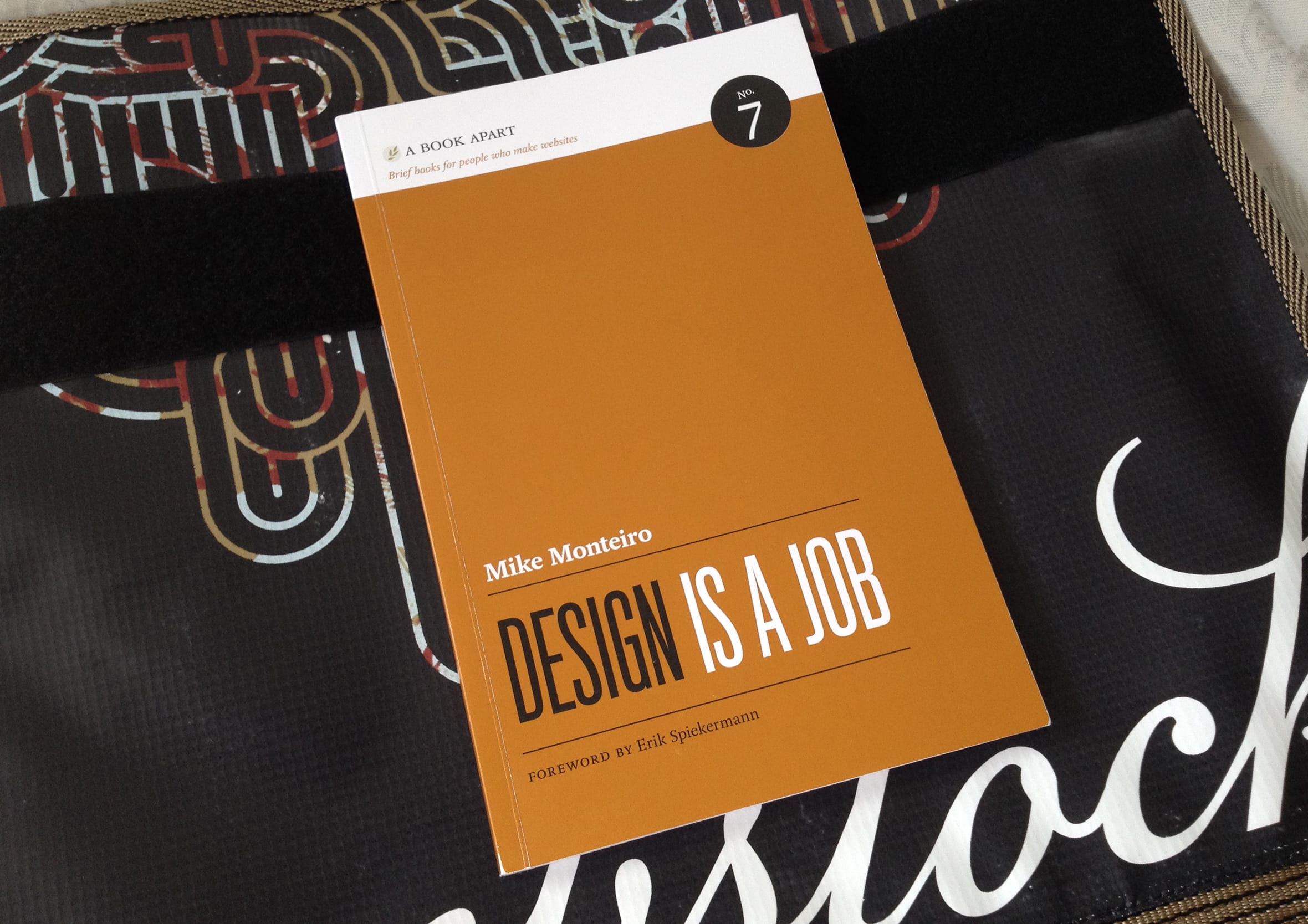
Mike has a reputation of not mincing words and telling it like it is, which I really appreciate. The book covers professional design advice on contracts, presenting design, managing feedback and setting expectations. It’s one of the few design books that treats the business side as seriously as the craft side, which is rarer than it should be. This is where I properly understood the value of selling your own ideas, something that mattered a lot once I started contracting and consulting for myself.
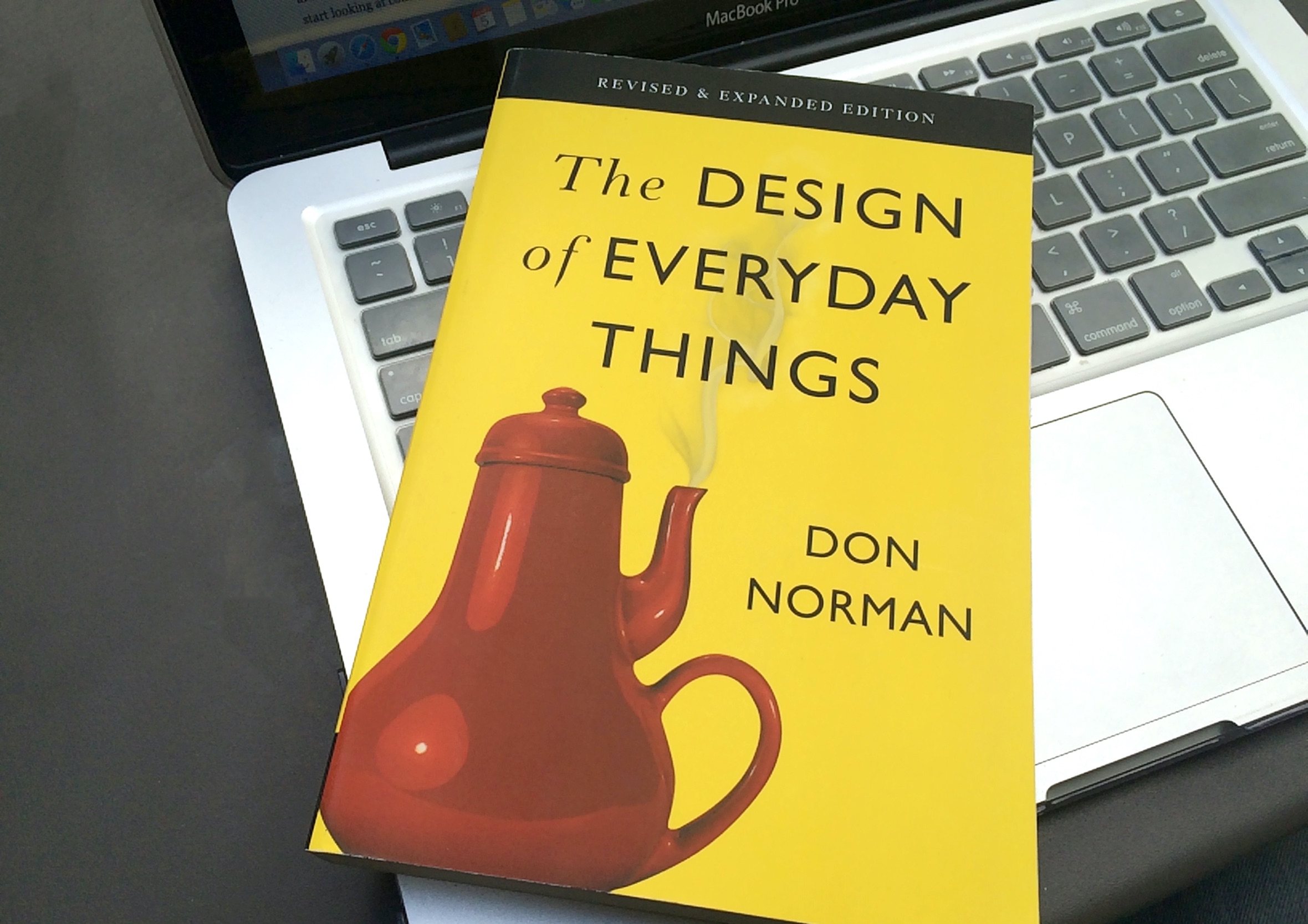
Revised and Expanded Edition: This one is in my Top 5 best books I’ve ever read (both design and non-design). It was an absolute game-changer when I was first starting out in User Experience Design and forced me to look at the world from a different angle. Don’s the one who gave us terms like affordances and signifiers that I still use in conversations with clients today. Once you’ve read it, you can’t walk through a door with a confusing handle again without noticing. Along with Don’t Make Me Think, this had the single biggest impact on how I think about behavioural design in my career. Highly recommended.
None of these books gave me a finished answer. What they gave me was a different way of looking at a problem, whether that’s a habit, a product, a team, or a story someone was trying too hard to sell. That’s really what I’m looking for every time I pick one up.
It’s not always obvious where a book will actually leave its mark. Sometimes it’s a framework I still reach for years later, sometimes it’s just a way of thinking about people that sticks around longer than the specifics ever do. That kind of personal growth and reflection seems to run in the family too.
This list keeps growing, and that’s exactly the point. If you’ve got one that changed how you think, genuinely, I’d love to hear about it.