Essentials for home to enhance your work-life balance
Work-life balance sounds like something you fix with one big decision. Mine came together from a stack of much smaller ones, starting with a pair of noise-cancelling headphones I bought almost by accident a few years back.
Small incremental purchases or decisions made over time
Work-life balance sounds like something you fix with one big decision. A four-day week, a new job, a move across the world. Mine came together from a stack of much smaller ones instead.
A pair of noise-cancelling headphones started it, more by accident than plan. That one purchase turned into a longer list of small, deliberate choices that quietly reshaped how I work, rest, and everything in between. None of them fixed a big problem on their own. Each one just removed a little friction, until the whole week felt different.
Here’s what made the list, and why.
Noise-cancelling headphones for home or commuting
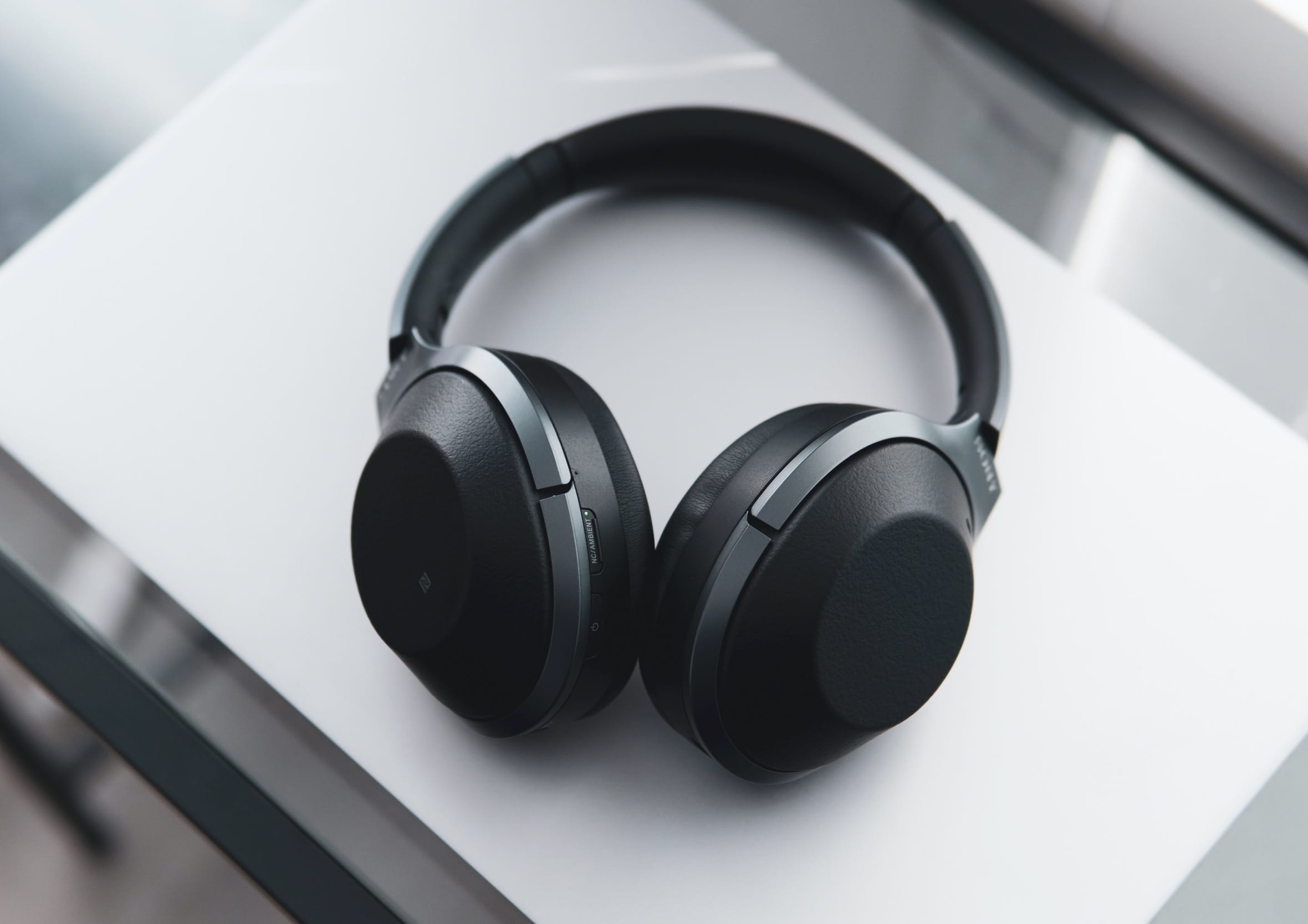
I picked up a pair of Sony WH-1000XM2 Wireless Noise Cancelling Headphones a few years ago and haven’t looked back. Being able to put them on and create a bit of a personal space while you work is great, and they’re equally useful for travel.
Personal space, even in an open-plan office, the signal that says not right now without a word.
Design work needs long, uninterrupted stretches of focus, and an open-plan office is basically built to interrupt exactly that. Putting the headphones on became a real signal to everyone around me, not right now, without having to say it out loud.
In the office I tend to switch to Apple AirPods instead. They’re a bit less conspicuous, and somehow feel more approachable than a pair of oversized cans clamped over your ears, even though they’re doing a similar job.
Kindle e-Reader: Have a few options for books on the go
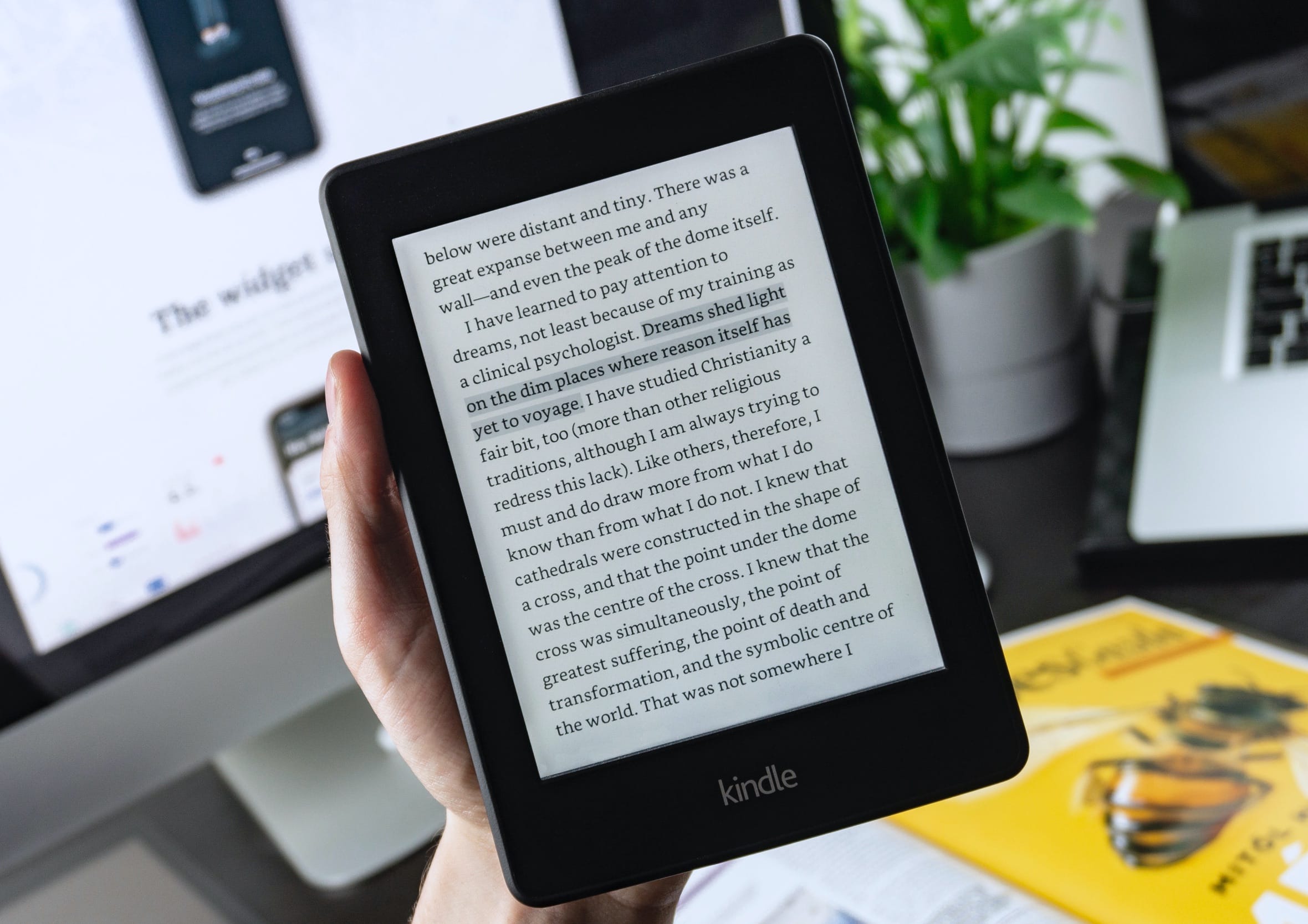
Of all my tech purchases, the Amazon Kindle Paperwhite has been one of the best. Being able to buy a book and start reading it immediately is a game-changer.
It’s changed how much I actually read too, not because the device makes the words any different, just because the friction of getting a new book dropped from a trip to the store down to about thirty seconds. When something’s that easy, you do more of it.
One book, packed light enough to disappear into any bag, dictionary built right in.
The built-in dictionary sounds like a small thing until you’re deep into something dense and don’t want to break the flow to look a word up. Same with the weight. Carrying six books instead of one and a half kilos of paper adds up fast when you’re already hauling a laptop bag around.
Books that changed how I think
The Kindle gets used constantly, though what’s on it matters more than the device itself. A handful of books that reshaped how I think earned a permanent spot rather than getting read once and archived. Atomic Habits reframed how I think about consistency, not chasing an outcome, becoming the kind of person who does the work daily.
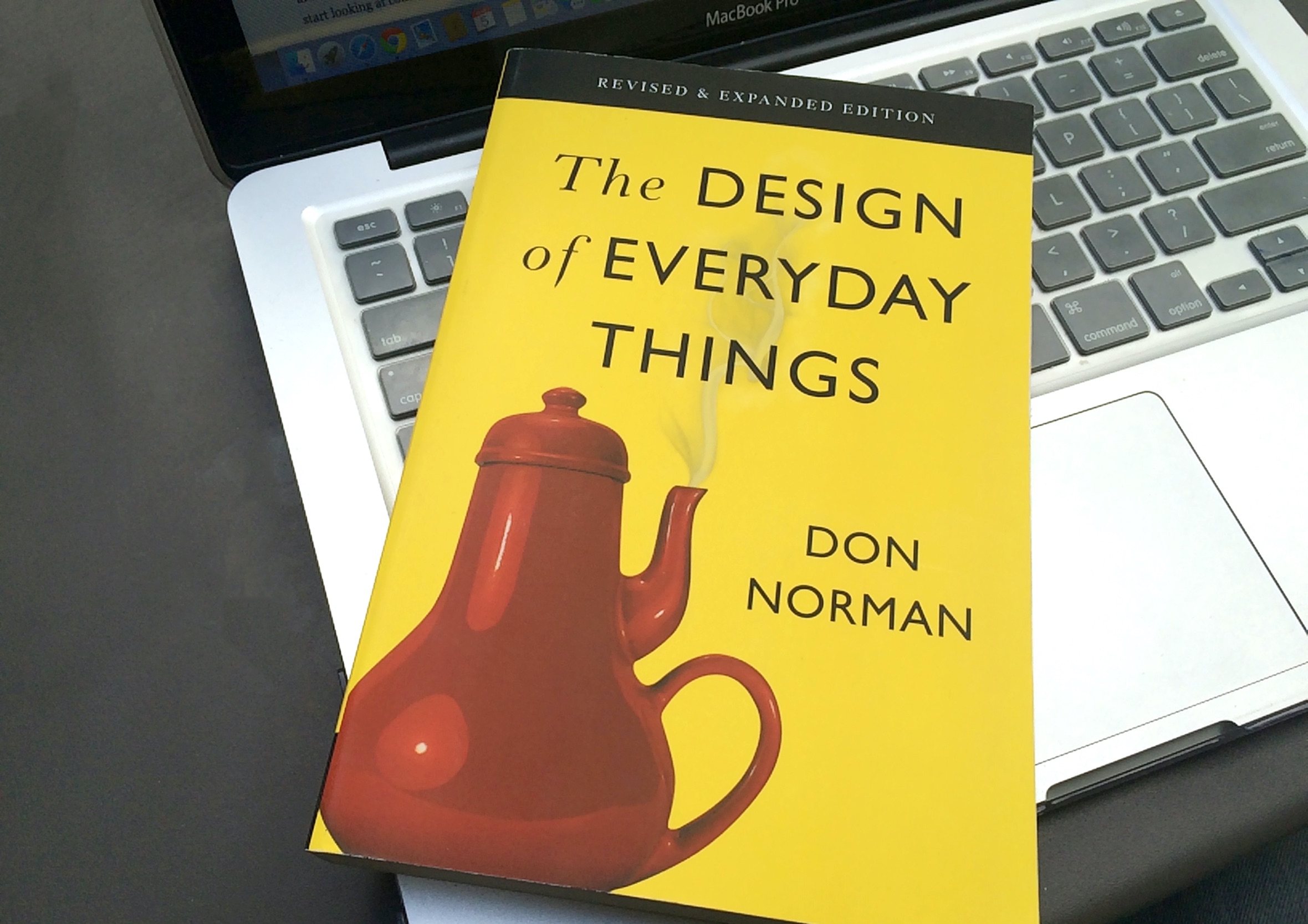
The book that made me actually notice bad doors, and good design everywhere else too.
The Design of Everyday Things sits right alongside it, Don Norman’s case for doors that tell you whether to push or pull without needing a sign, the same principle behind good design of any kind, not just doors.
That shift in framing stuck longer than any single productivity trick. Inspired did something similar for how I think about product work itself, the idea that design, technology and business need to sit at the same table from the start, not get handed off in sequence.
None of them are strictly design books either. Bad Blood is a founder’s story that went badly wrong, and it’s stayed with me as a reminder that conviction on its own was never the same thing as a working product.
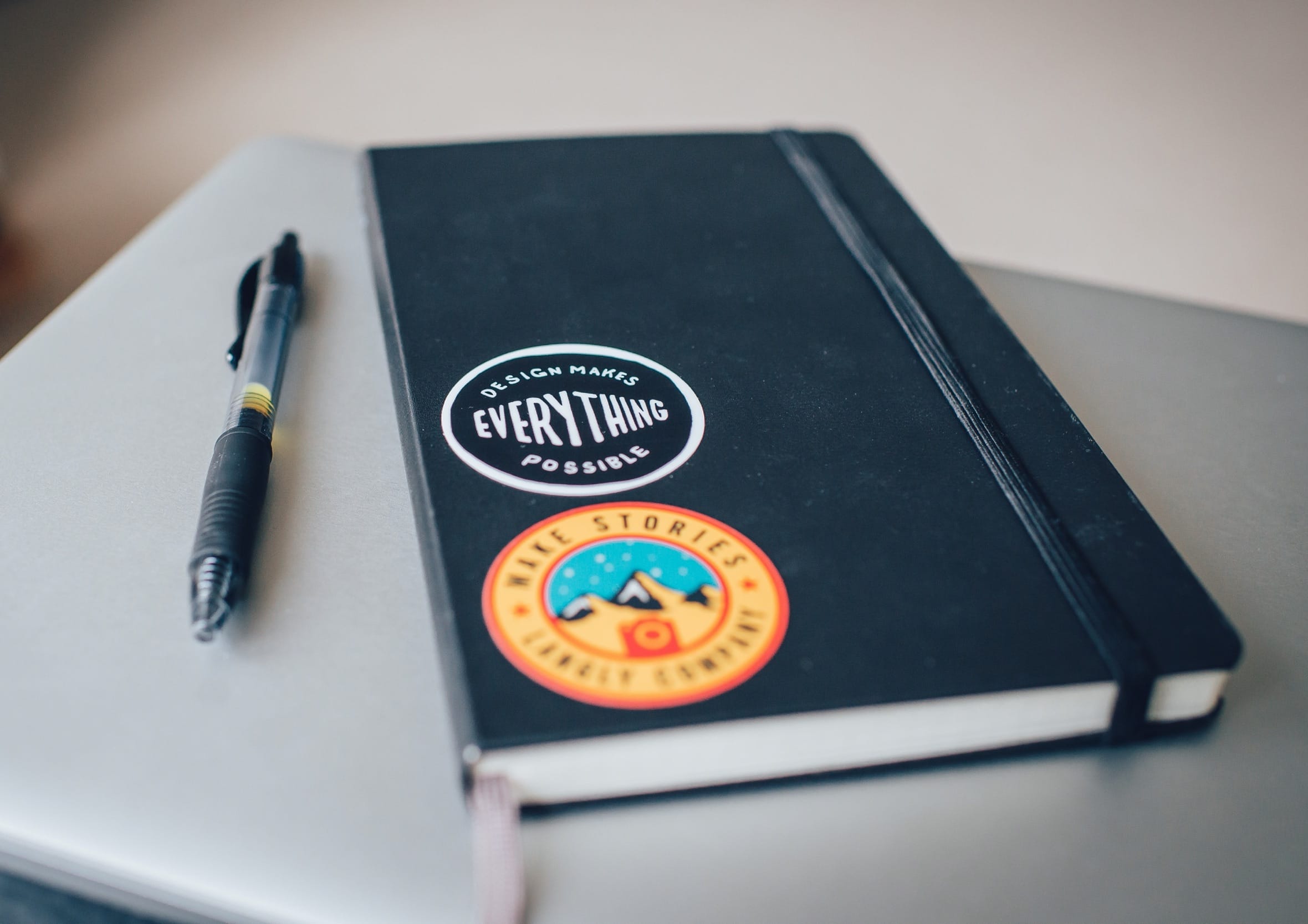
Capture ideas with physical objects like pen and notepad
I carry a pen and notepad everywhere so I can capture ideas away from my desk. The number of times I’ve been stuck on a problem, stepped away for some fresh air and come back with the answer is more than I’d like to admit.
Where an idea gets caught before it disappears again, no notifications competing for attention.
Most of my best thinking doesn’t happen at a desk anyway. It happens on a walk, in the shower, or halfway through making a coffee. Having something to actually capture the idea with, right there, matters more than it sounds like it should.
A phone works too, though it doesn’t buzz with three notifications the second you open it. Paper stays exactly where you left it, uninterrupted, which matters more for actually holding onto a good idea than convenience does.
Make cafe quality coffee at home with an espresso machine
I treated myself to a Rocket Espresso Mozzafiato Evoluzione R for my 40th birthday and it’s been an absolute game-changer for making cafe-quality coffee at home.
Cafe quality coffee, without leaving the kitchen, grind size and tamp pressure included.
I also did a 3-day “City & Guilds International Award in Barista Skills” course, which was well worth it. The course wasn’t really about the machine itself. It was about understanding what actually changes the cup, grind size, tamp pressure, milk texture, the small technical details that separate a decent shot from an actually good one.
It’s paid for itself a few times over by now, and making the coffee has become part of the morning routine itself rather than just a means to get caffeine into the day.
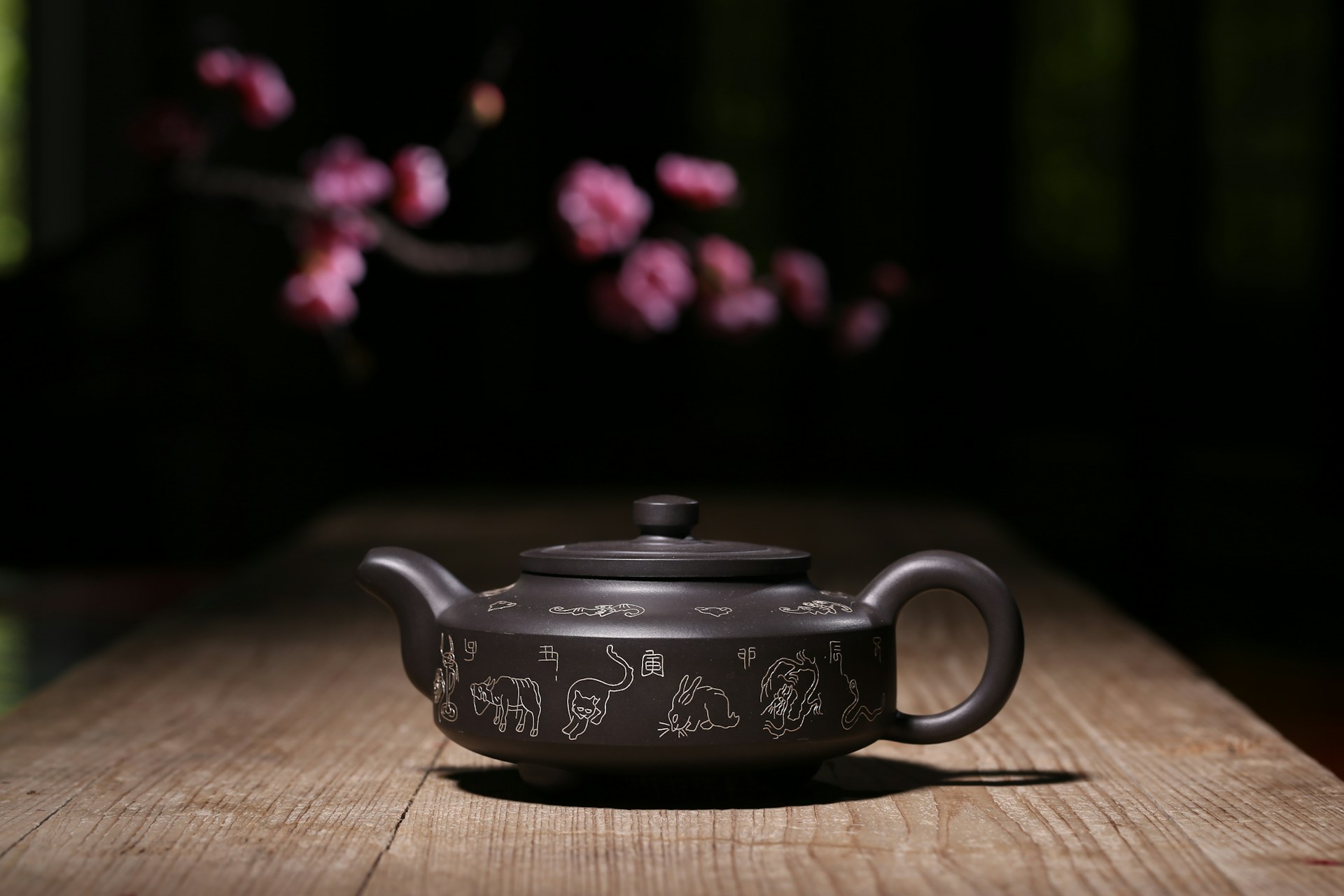
Tea made in a clay teapot or French press
Coffee gets most of the attention in this house, though tea has its place too, especially later in the day when the ritual matters more than the caffeine.
A friend called Phil showed me his own French press method years ago, and it stuck exactly as he taught it. Warm the French press before anything goes in it, let the water sit off the boil for a couple of minutes so it doesn’t scorch the leaves, then steep for exactly three minutes, no more.
A slower ritual for the days that actually call for one.
It’s a small process, though it’s still a process, the kind of thing that becomes invisible once it settles in. I don’t think about it anymore. I just do it, which is really the whole point of building any of these habits in the first place.
Baked chicken based on the KFC 11 herbs & spices
When cooking for the family, I lean on a baked version of the KFC 11 herbs and spices recipe. It scratches a very specific craving without the drive-through trip.
The copycat that finally scratches the itch, minus the drive-through and the ingredients I can’t eat.
That craving goes back a long way. Four cheeseburgers and change used to feed a whole afternoon of bodyboarding as a teenager, and a mate working the counter kept the hookups coming through school. It took years, and a proper list of food allergies, gluten, dairy, and every nightshade going, tomato, capsicum, chilli, potato, before fast food stopped being an option at all.
This recipe is the workaround. Same craving, same flavour, made at home from things I can actually eat.
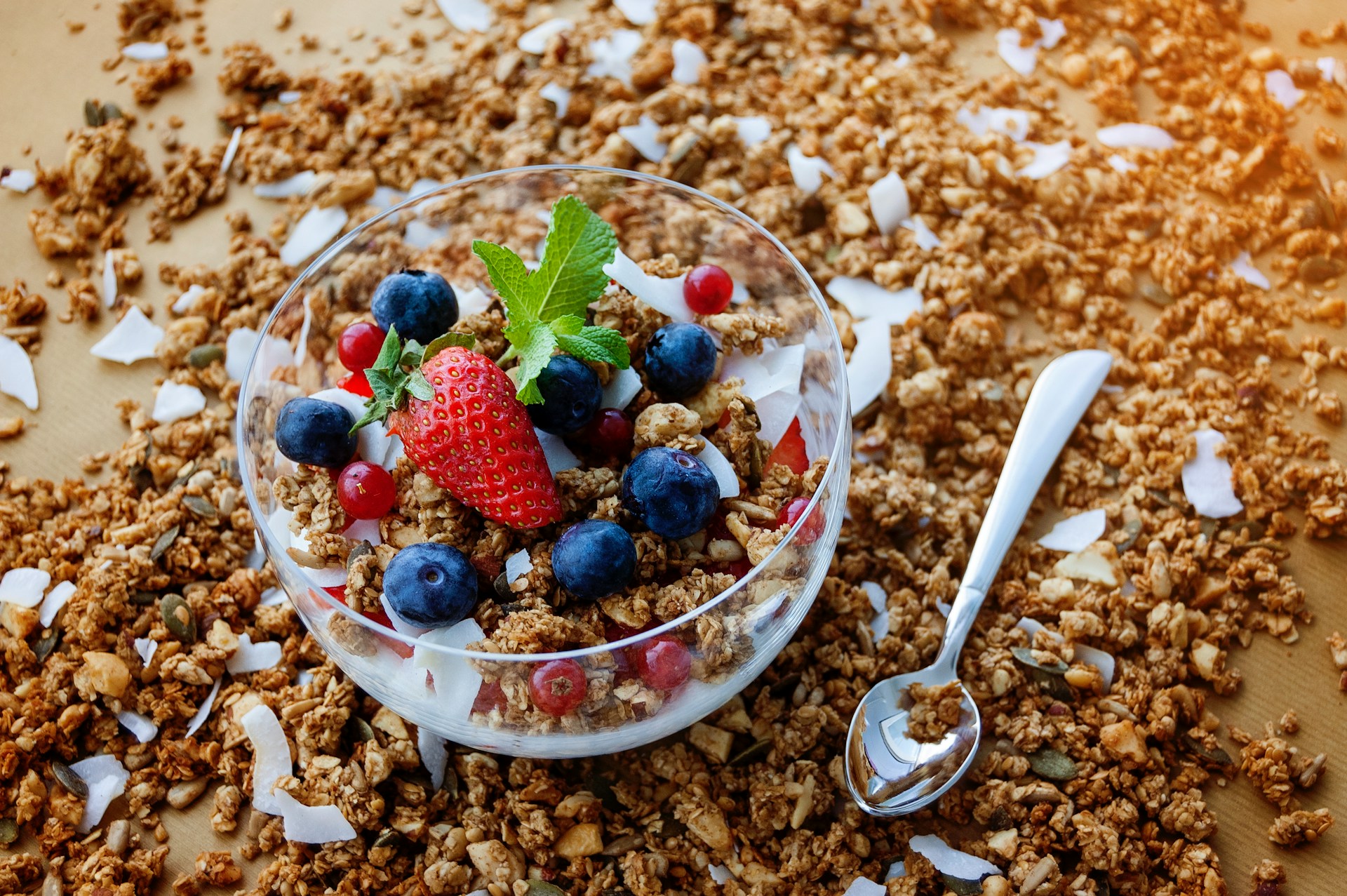
Homemade superfood muesli
Same idea applies to breakfast. A batch of baked superfoods muesli means one less decision before an early surf.
Same batch, breakfast sorted all week, mixed once on a Sunday afternoon.
It started as a rough mix thrown together on a Sunday afternoon, oats, honey, whatever seeds and dried fruit were in the cupboard, baked until golden and left to cool. It’s barely changed since. The batch keeps in an airtight container for a full week, and scaling it up eightfold for a bigger stretch is just a matter of multiplying the same four base ingredients.
Mix it, bake it, and breakfast is sorted before the week even starts, one less thing to think about on a morning that’s already thinking about the surf report instead.
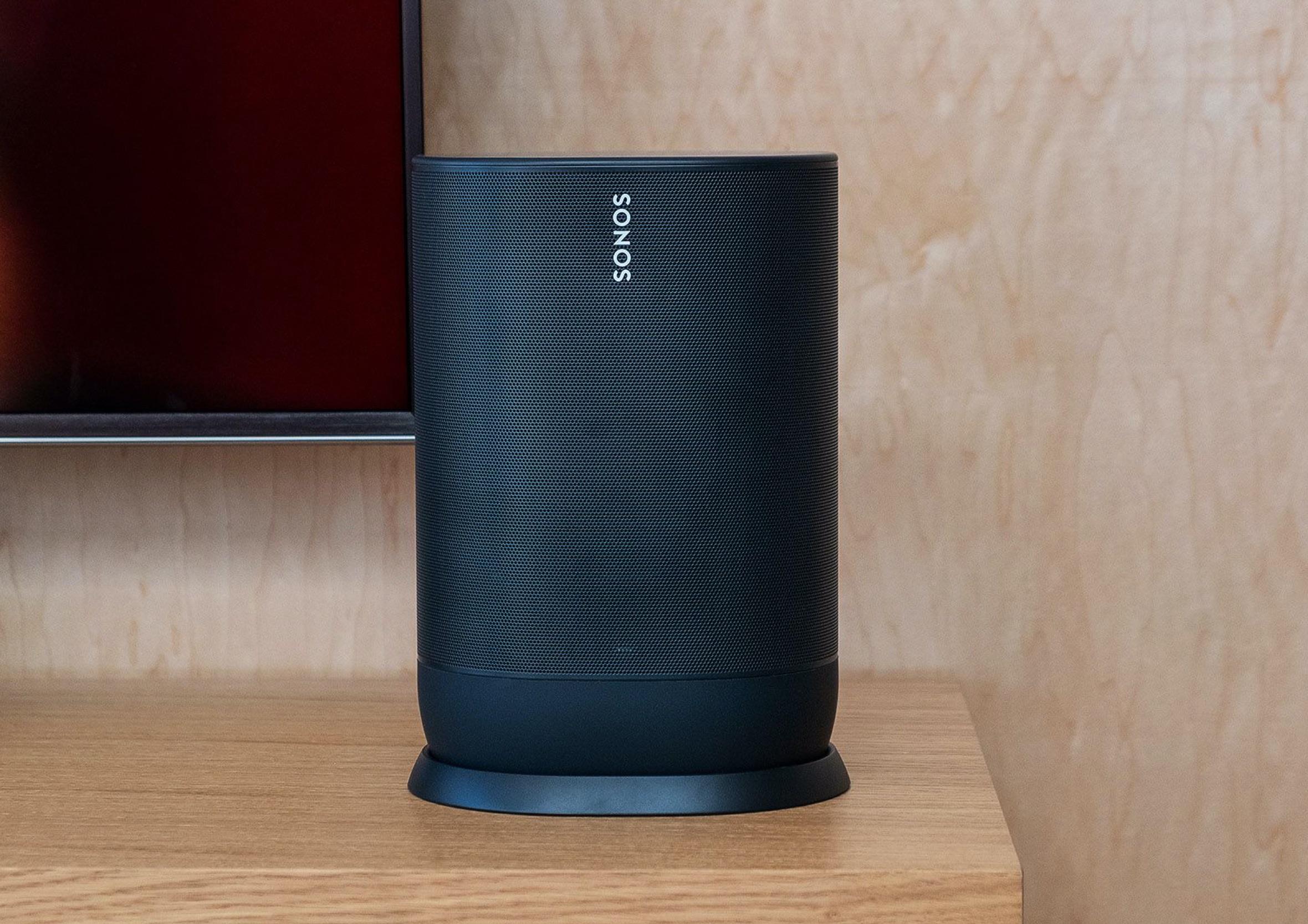
Sonos speakers, playing the same track everywhere
It comes with a mobile and desktop app which allows you to control music and connect multiple speakers so the same track can be played throughout the house, regardless of which room you’re in. The price, size and quality of these speakers are second to none.
It’s also changed how I actually listen to music at home, whole albums start to finish rather than a shuffled playlist, which is part of why I’ve gotten so deep into the covers and artwork that come with them.
The same track, playing in every room at once, ten minutes to set up and forget about.
Setup took about ten minutes, and it’s stayed that simple since. No fiddling with separate apps for separate rooms, just one system that follows you from the kitchen to the lounge without missing a beat.
Closing your rings with an Apple Watch
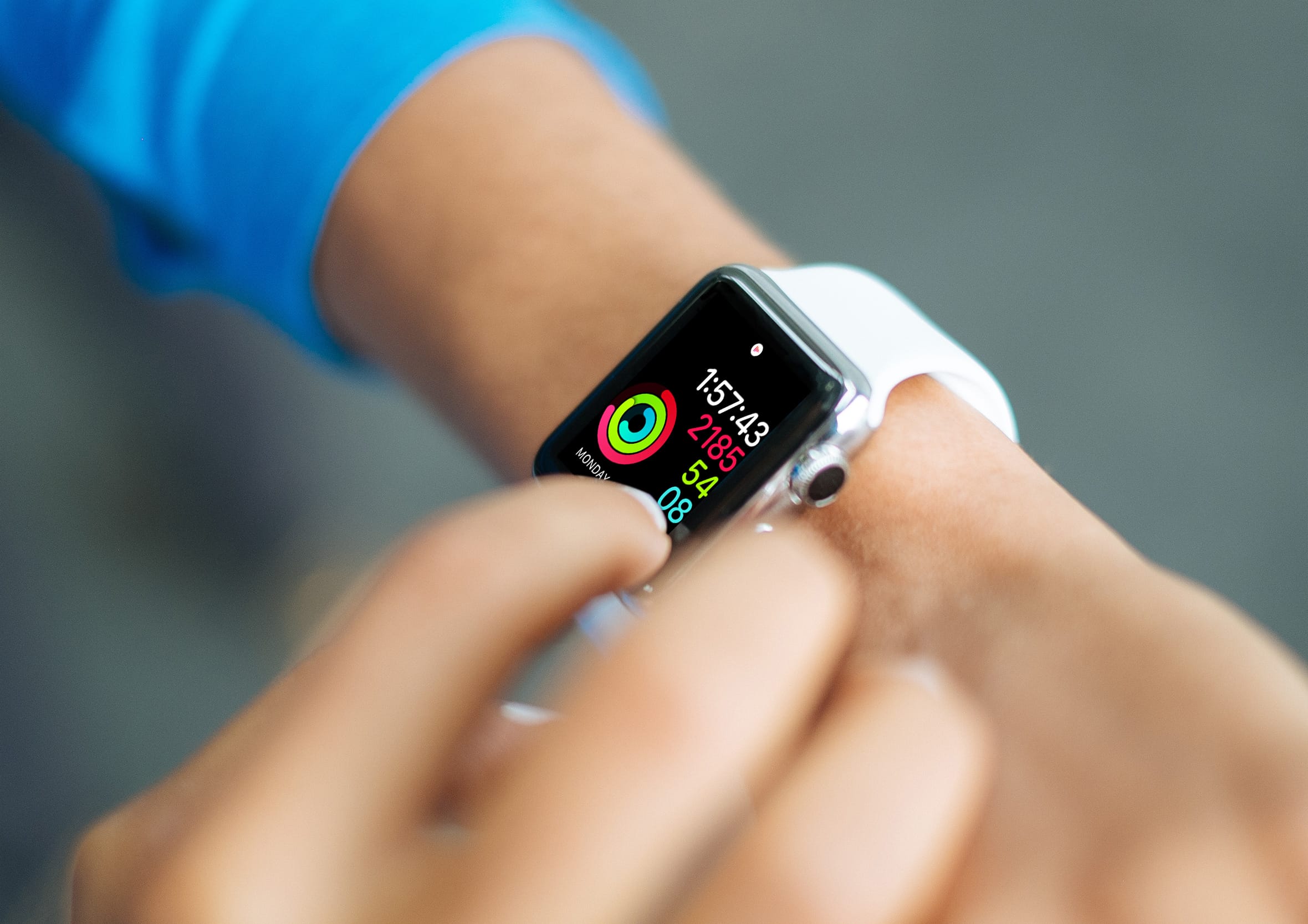
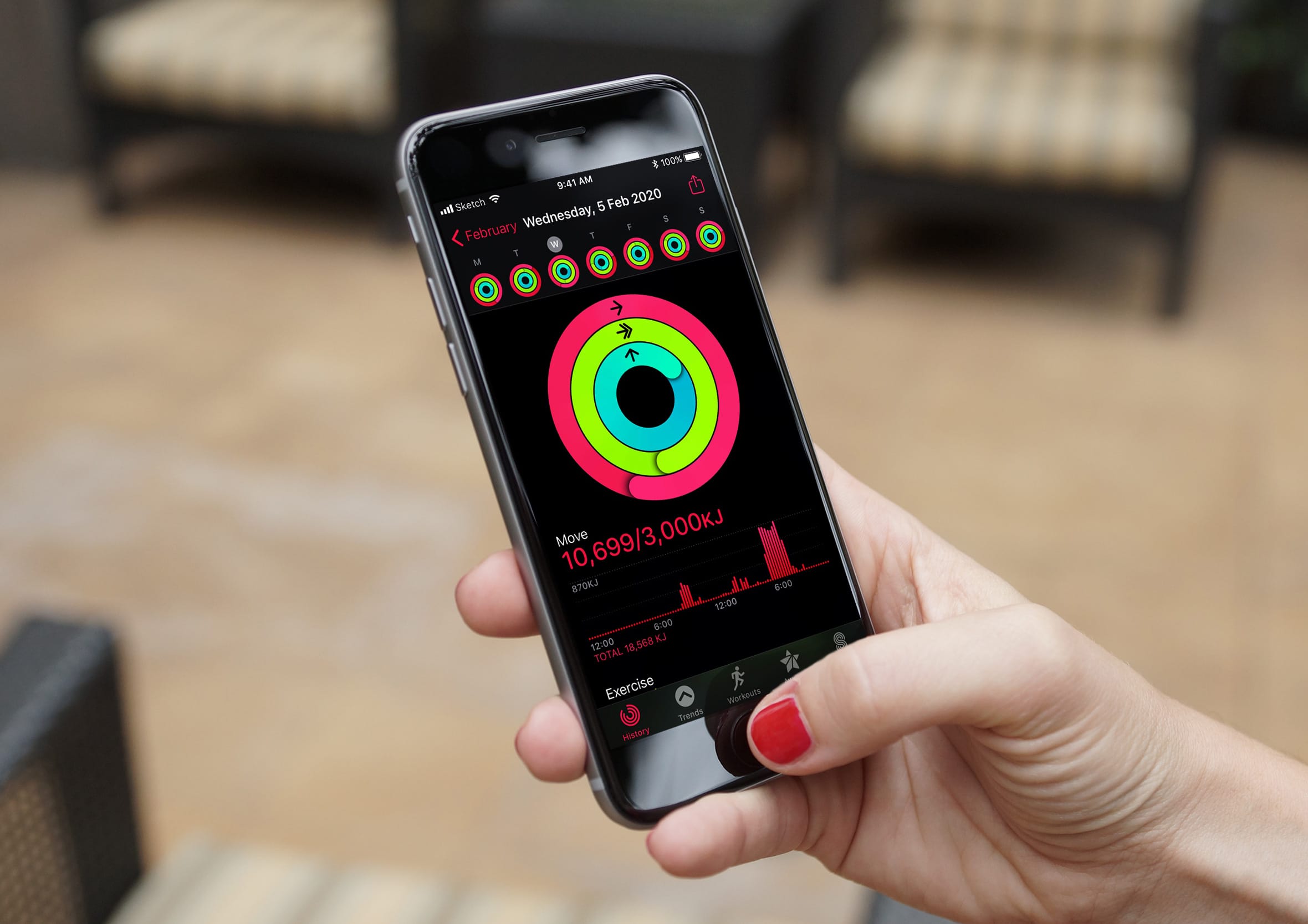
I bought an Apple Watch Series 5 in late 2019 to track health and fitness activity. I’d been through a FitBit and then a Rip Curl GPS surf watch before that, though the Apple Watch beat both of them without much competition.
Three rings, closed most days now, the same nudge-based design I end up thinking about at work.Paired up and tracking the whole day, badges and nudges doing exactly what they’re built to do.
Apple’s done a properly good job with the small nudges, badges for milestones, notifications that catch you before a day slips past without any movement in it at all.
Closing the three rings, move, exercise and stand, turned into its own small habit loop, the same kind of behavioural nudge I end up thinking about professionally, just aimed at me instead of a user I’m designing for.
Adopt a puppy for company, and a reason to get outside
Having a dog is a great reminder to take breaks. Taking them for a walk during the day is an easy way to get outside and get some fresh air and perspective.
The reason most walks actually happen now, and the excuse to step away from a stuck problem.
There’s also just the company itself. Working from home can get quiet in a way that sneaks up on you, and having something else alive in the room, even if it’s just a dog asleep under the desk, changes that.
The walks matter more than they sound like they should too. A short loop around the block at an awkward point in the day does more for a stuck problem than staring at the same screen for another twenty minutes ever does.
Exploring Wellington, to get some fresh air away from the desk
Some of this isn’t about buying anything at all. Getting away from the desk, even for an hour, does more for balance than another gadget ever could.
I keep an actual list for this, the same one I hand to friends flying in from overseas. Kayaking out on the harbour, a walk along Oriental Bay, the short ride up the cable car to the Botanic Garden, all of it inside a compact enough city that none of it needs much planning.
It’s less about ticking off a specific list and more about the habit of actually leaving. Exploring Wellington properly rewards wandering more than it rewards a strict itinerary, and that’s exactly the point.
Gym membership, or building a home gym instead
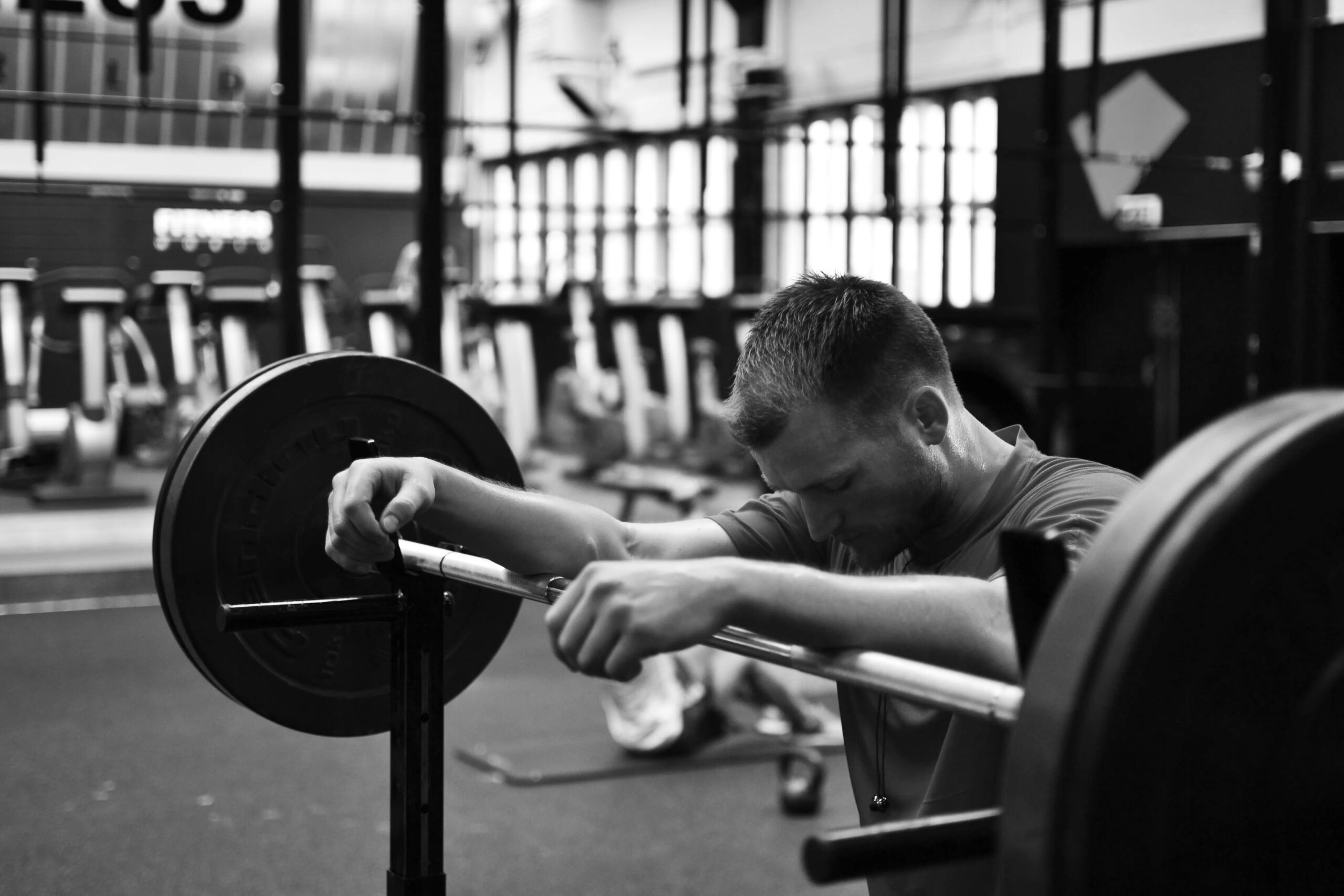
A gym membership means you’re no longer at the mercy of the weather.
I vary my workouts based on how I’m feeling, yoga, weights, cardio, stretching, anything that helps me surf for longer and enjoy it more. Two routines I built myself, strength and endurance training and flexibility and mobility work, make up most weeks now.
Discipline that doesn’t depend on the weather, or a gym membership either, some weeks.
A membership isn’t the only way in though. A decent set of adjustable dumbbells and a bit of floor space at home covers a surprising amount of ground on the days a proper gym trip just isn’t happening. Mixing things up between the two keeps me motivated either way.
Studying UX/UI design online
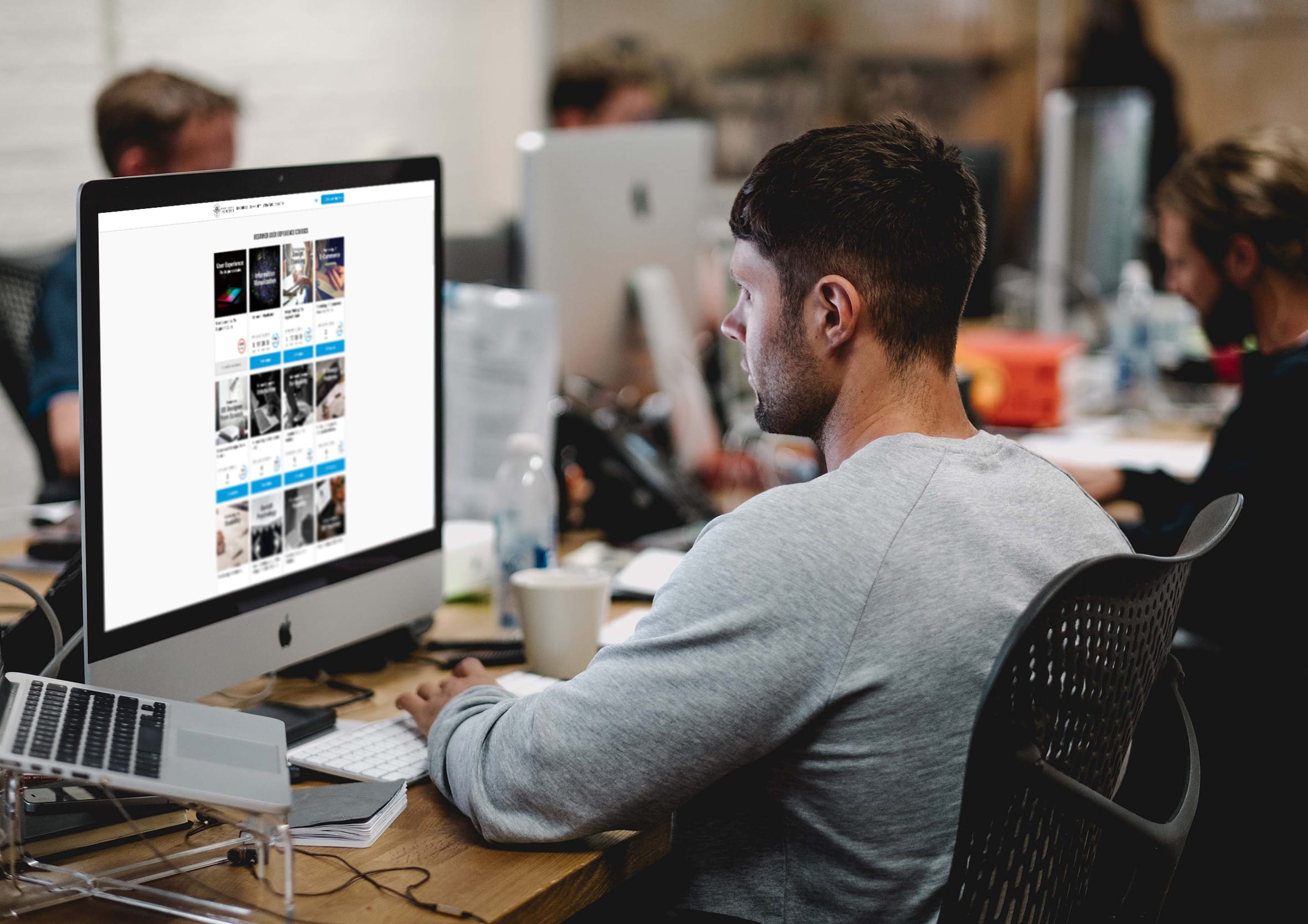
I’m a member of the Interaction Design Foundation (IxDF), the world’s largest UX design learning community, with a strong focus on UX management, user research, design thinking and usability.
32 courses in now, and it’s become a steady, ongoing habit rather than a one-off course, the kind of small, consistent progress that adds up over the years rather than a single certificate that gets framed and forgotten.
Being able to study in short blocks, between projects or late in the evening, made it realistic in a way a formal degree never quite was. Nothing about it needed to happen all at once.
32 courses in, still counting, a steady habit rather than a single certificate to frame.
Designed around how I live and interact in the space
None of this fixes work-life balance on its own. A better pair of headphones or a proper coffee routine just removes friction. Neither one buys back actual time.
The bigger version of the same idea is taking real time off, not just squeezing rest into the edges of a normal week, actually stepping away from it completely for a while.
I’m still working on designing my life around the things I care most about: surfing, family, design, coffee, reading, studying, skating, health and fitness. This list is just the everyday version of that. The bigger version happens every summer.