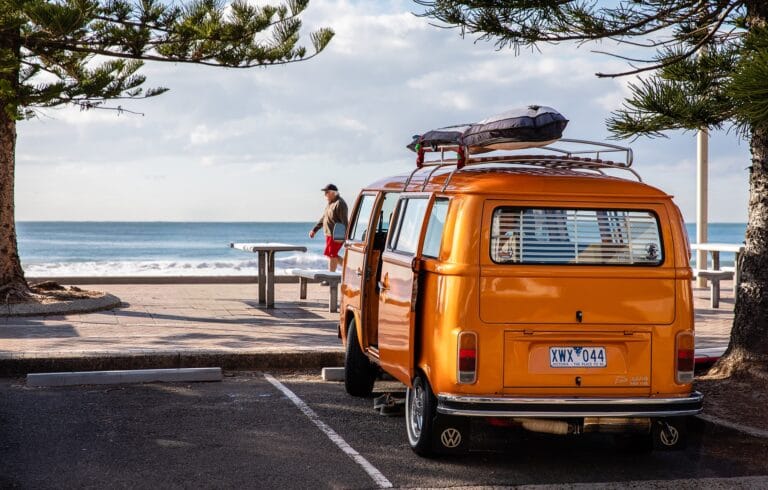
The system that gets me out the door on cold mornings, wetsuit on before I've even checked the cam, gear packed the night before, no room left to talk myself out of it. Plus the actual warm-up and stretch routine I run through every time.
The system that gets me out the door when it’s freezing outside
A number of little changes I’ve added and refined over the years. These behavioural hacks compound to remove as much friction and as many excuses as possible, to the point where I’m driving to the beach confused about how I keep getting myself into this mess.
All my surfing gear is packed up in the garage the night before, ready to be loaded into the car. Each surfboard has its own bag and lives on the rack, grab-and-go, chosen based on the conditions and the surf cam.
Sure, I could share a bag between boards, yet that’s just enough downtime to talk myself out of going out in the cold and jumping back into bed. Like most of my set-up it’s been slowly added to over the years instead of a massive upfront investment.
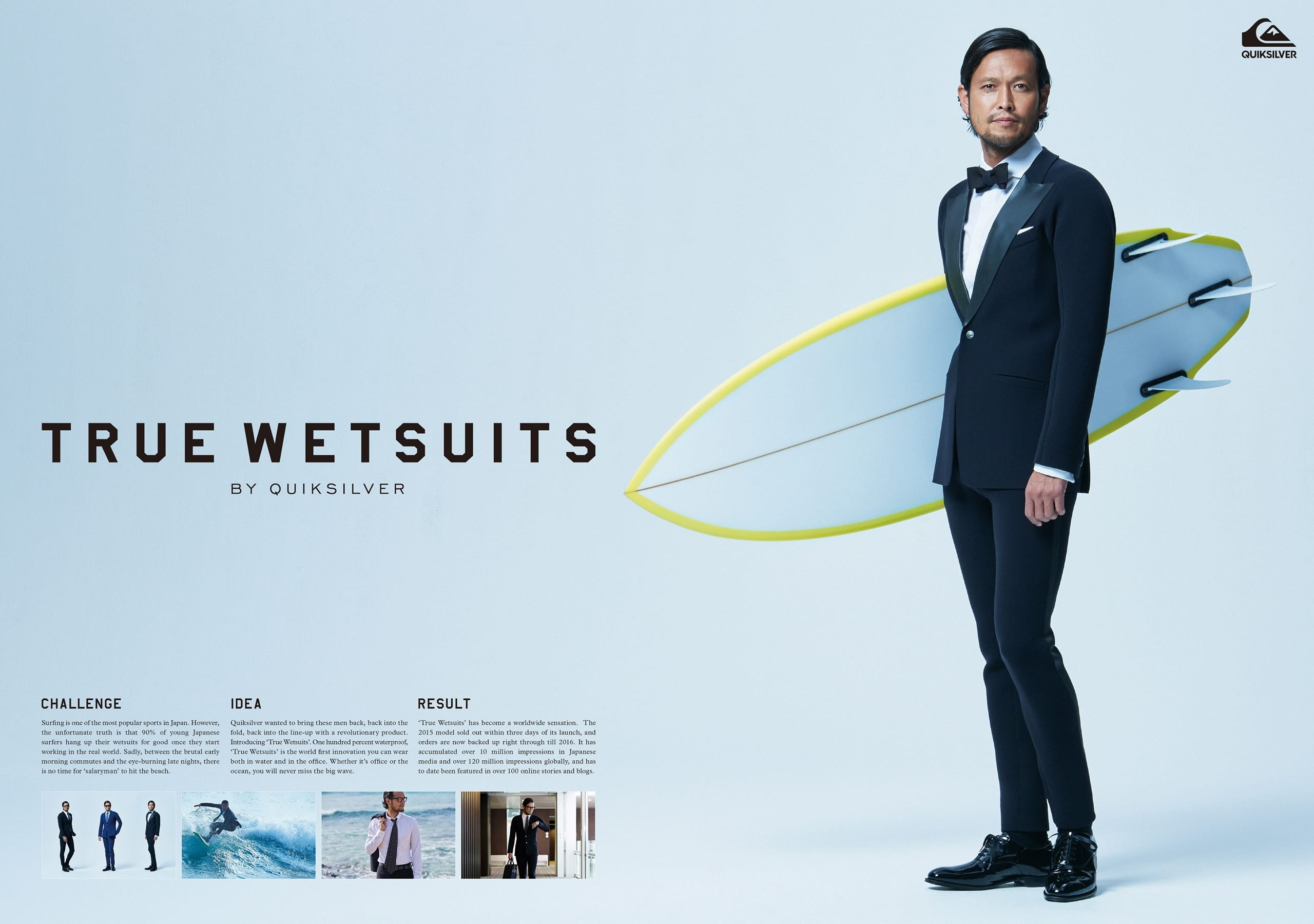
An actual advertisement for “True Wetsuits” by Quiksilver featuring a man dressed in a formal suit and bow tie.
To continue the method to the madness approach, I jump into my wetsuit before I even leave the house, coffee and water bottles in the car, hooded towel on the back seat. Driving to the beach in my wetsuit acts like my straitjacket, and in keeping with that metaphor, I’m fully committed.
By the time I’m reversing out of the driveway there’s no more decision left to make. Same reasoning behind why some people wear the same outfit every day, saving mental energy and avoiding decision fatigue.
In the car, Tool’s Lateralus playing on the stereo, and I crank the AC down as cold as it can go, getting my body ready for the cold temperature before it actually hits. Banana eaten already, or a quick bowl of muesli with superfoods if there’s time, otherwise I’ll eat when I get back.
The beach basically two Tool songs away, no more talking myself out of it now. Too windy, too cold, no waves breaking, doesn’t matter, I’m going in. Drinking water the whole way there so I’ve consumed around 1-2 litres by the time I arrived and park up.
Five more minutes of stretching on the beach before heading in. Then paddle out.
Want to skip ahead?
No worries, you can skip the story and jump straight to the pre-surf stretches.
Systems thinking built around going from chaos to calm
Interconnectedness, nudges, patterns and feedback loops all working as one.
That’s the trick, the whole trick. Like most things once you know how it works it’s disappointing how simple it is. What it lacks in complexity is what makes it so repeatable and effective.
None of this is rigid as life often gets in the way so flexibility is built in. I’m not checking surf cams on a schedule, more a quick look every few days, just enough to get a sense of the week and make a rough plan for WFH days.
Some days I choose to ignore this stage of the system entirely. Go too long without surfing and the cam doesn’t get a look in, you just pack your gear and go, a straight bypass of the whole system built around one simple rule: time in the water beats a perfect forecast.
It sounds slightly mad written down. Still, it’s basically the same logic as going to the gym first thing in the morning, half the workout’s done before you’re properly awake enough to argue with yourself.
Trick your brain into motion before it has time to crunch the data and talk you out of it.
Not that life always goes to plan. We had a beat-up 1996 Toyota Corolla years back, no air conditioning, no radio, maybe cup holders as a flex.
One summer day I was fully suited up in my wetsuit, sitting in traffic for an hour trying to get to the beach. Aquaman tuxedo (aka wetsuit) in the middle of a heatwave, dying in the car.
Nowadays, none of this happens by accident. Designing user experiences for a living means I can’t help bringing that same logic and systems thinking to my own life. Always hunting for bumps in the experience and how best to remove them with as little wasted effort as possible.
I enjoy streamlining, iterating and making minor improvements over time, thinking about it as past, present and future self, working together rather than against each other. It’s the same idea I keep circling back to with the coffee maker, looking to optimise and claw back a few more hours in the day.
Pre-surf stretching and warm-up routine
1. Dynamic warm-up
Arm circles, forward and backward (30 sec each side)
Torso twists, feet planted, rotate side to side (30 sec)
Leg swings, front to back then side to side (10 each leg)
Deep squats (30 sec)
High knees or jog on the spot (30-60 sec)
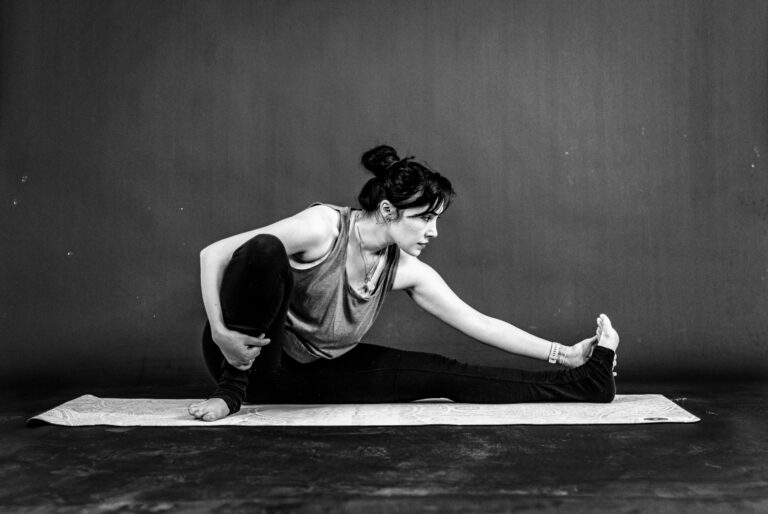
2. Key pre-surf stretches
Standing forward fold (hold 15-30 sec each)
Lunge with twist (hold 15-30 sec each)
World’s greatest stretch (hold 15-30 sec each)
Shoulder rolls and cross-body stretch (hold 15-30 sec each)
Cat-cow or downward dog (hold 15-30 sec each)
Neck rolls and wrist circles (hold 15-30 sec each)
3. Optional: surf-specific activations
Pop-up practice (5-10 reps)
Squats or hip openers (hold 30 sec)
Removing blockers, friction, delays and ultimately excuses
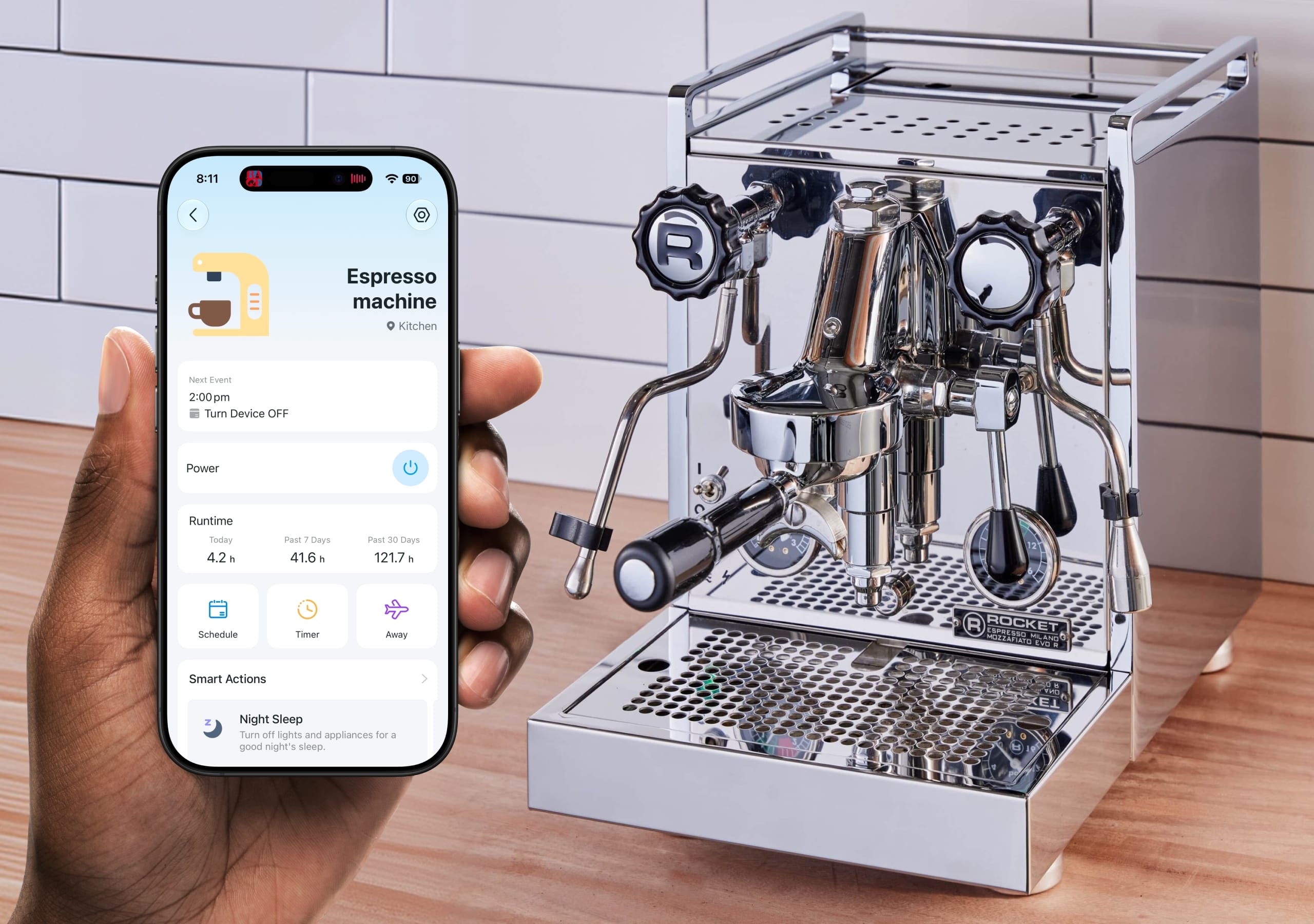
My espresso maker’s timed to switch on at 4am so it’s had a chance to heat up and is ready to start making coffee when my alarm goes off a few hours later. Or can be triggered remotely via an app if I’m heading home earlier than planned.
A friend got me onto a wifi smart plug a couple of years ago, picked it up for around $25, and it’s paid for itself many times over. This device means I don’t have to wake up early to power on the espresso maker and waste time waiting for it to reach the correct temperature just to start making coffee. Now I can go straight into the garage and sip coffee while I start stretching, making peace with the world that I’m up before my time.
On the cold mornings though, there’s a quad espresso waiting in my Yeti for when I get out. Present and future Rich like past Rich a lot more on the days I take the time to throw coffee in the car.
Watching a well-designed user journey play out in real time and noticing areas where it can still be improved, never really switches off. Same instinct that pays the bills, just pointed at my own life instead of someone else’s product.
A smartphone running a smart home app used to control power, schedules, and monitor usage.
I love it when a process just works. Making complex systems simple, removing friction, that’s the job, and apparently also the hobby.
The biggest unlock, however, wasn’t a gadget or a system at all. It was the kids getting old enough to walk home from school and stay home by themselves. No more school pickups eating into the surfing window, no more juggling child care before heading out. That single change opened things up more than any amount of automation ever could.
Daylight savings makes it tricky. Getting out after work or on a lunch break means every minute counts, a meeting running long, picking the kids up, and the window’s gone. Small time-savers add up fast when that’s the margin you’re working with, waxing the board the night before is one less thing standing between you and the water.
Steve Gurney spoke at a company I worked for once, and one detail stuck with me. He’d go to extreme lengths chasing marginal gains, cutting the pull tabs off zips during the Coast to Coast to save grams.
Sounds obsessive until he explained why, the one year he didn’t win, he put it down to not looking hard enough for places to shave weight off what he’d be carrying for days on end.
Every gram counts. You just get to decide how far down that road you want to go.
Reading the surf forecast, and when it’s worth ignoring
Wellington surf is variable enough that skipping a session can mean waiting a couple of weeks before the forecast and your schedule line up again. That’s the real cost of not going, not just missing one day, missing the window.
Still, the regret isn’t really about staying home. It’s specific: weak wave energy, the days you can’t catch anything for love or money. On those you’re still washing all the gear afterwards for nothing, so at least a proper workout day gives you something back either way.
Some of the best sessions have been the ones I expected nothing from, paddling out more or less to take the board for a swim, then catching a handful of small ones that made the whole session worth it. Other times an unexpected pulse comes through and you’ve somehow nailed the timing, three or four people out, everyone getting waves. Uncrowded is the new pumping.
One session on the Firewire Seaside board started exactly like classic Titahi Bay, small and choppy, nothing much happening. Then halfway through, a pulse of energy came out of nowhere, clean and glassy, and I had the place to myself. Forecast hadn’t really flagged it. Just turned up expecting an average session and got a great one instead.
The sessions I’m actually happy to skip are the crowded good days, half a dozen people competing for the same wave, dropping in on each other, pure chaos. That’s the modern version of skipping leg day, except the reason isn’t laziness, it’s avoiding the close calls that come with that many people fighting over the same peak.
Four systems designed to prevent second guessing
Everything’s set up like a grab-and-go bag, plastic containers already packed, boards already in their bags. Check the surf cam one last time, grab the boxes, throw a board in the back, two if conditions look variable in the colder months, so the wax doesn’t melt off swapping between them.
So many times driving where I’m thinking “this is the last thing I feel like doing.” Or “how do I keep talking myself into this,” especially when it’s freezing outside. Never fun on the way out.
Almost always worth it though, close to 90% of the time. The conditions out the back are often completely different from what the surf cam showed, or even what it looked like standing on the shore. Paddling out changes everything.
This whole trick, removing excuses before I’ve even seen the water, has paid for itself many times over. Glad I made the call, every time, driving home.
Surf workout series
Four parts that work as one complete system. Strength training, built from the ground up after a shoulder injury. Flexibility and mobility, the small daily rituals that keep it moving. The routine that actually gets me out the door on cold mornings. Stretching, hydration and nutrition that close the loop on recovery.
How I built my own surf strength training routine from scratch after a shoulder injury, the actual workout, the gear that matters, and what changed once I stopped chasing goals and built systems. No shortcuts, just a proper, structured plan.
Improve mobility and recovery with surf-specific stretches, a minimal home gym setup, and small daily habits, like surf skateboarding, that stick once motivation fades. Built around what actually works, not just theory.
The system that gets me out the door on cold mornings, wetsuit on before I've even checked the cam, gear packed the night before, no room left to talk myself out of it. Plus the actual warm-up and stretch routine I run through every time.
The stretch routine, hydration timing and nutrition habits that make recovery actually happen, especially in winter when it's the last thing you want to do. Built around the same gluten and dairy-free rules as everything else here.