• Written by Rich McNabb • Proofread & Edited by Claude AI
Surf workout: Flexibility and mobility training
Maximise your time out of the water with flexibility training to improve your surfing.


• Written by Rich McNabb • Proofread & Edited by Claude AI
Maximise your time out of the water with flexibility training to improve your surfing.
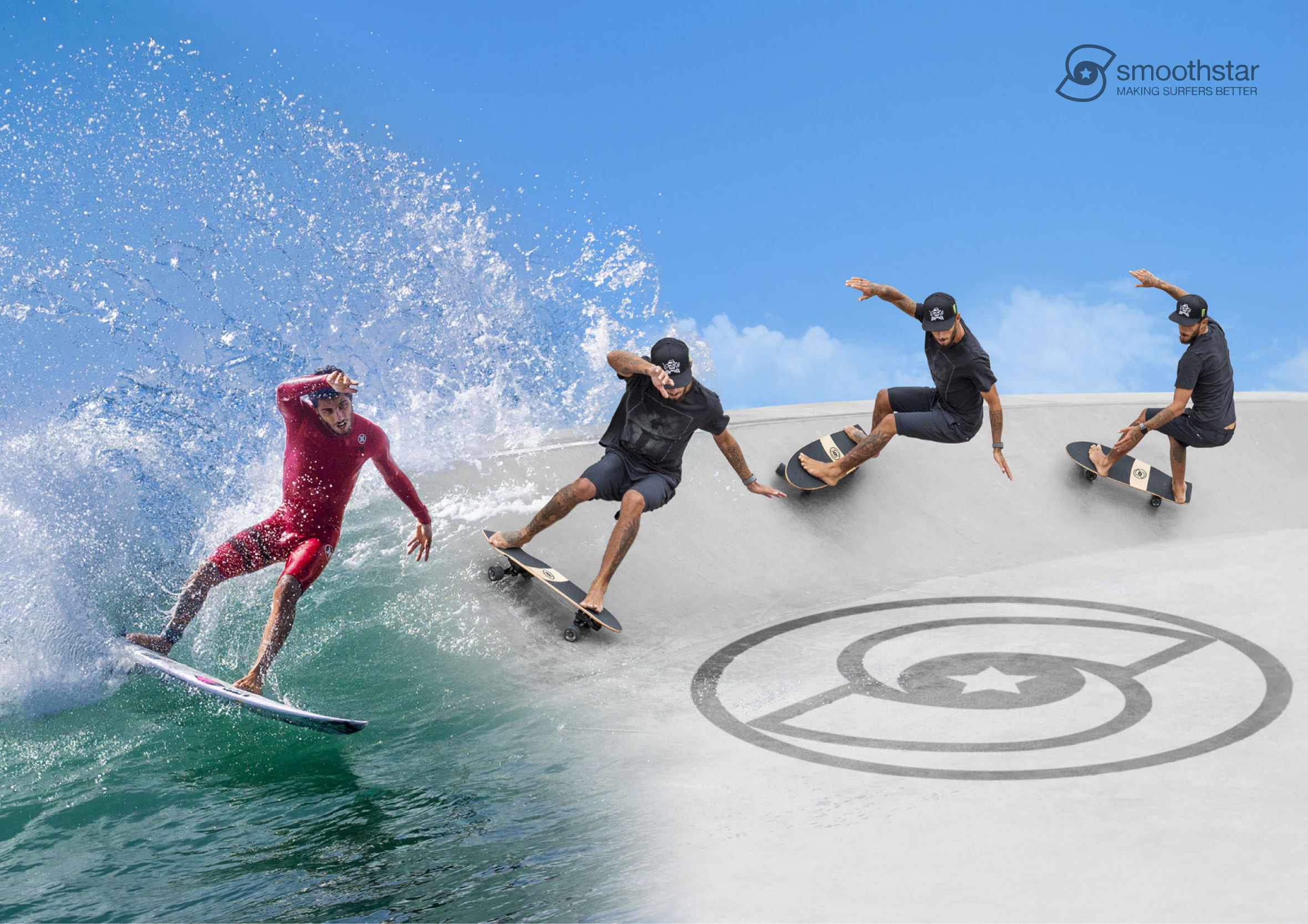
Practising turns happens wherever there’s room to build speed, wide footpaths around town, skate parks, or the train station car park on a quiet weekend. How to Rip has some great videos on using the Smoothstar to feel out the same turn mechanics that translate straight into the water, plus it’s a great way to warm up and practice some turns before paddling out to try them in the surf.
Protective gear wasn’t something I bothered with as a kid. Two separate accidents broke the same ankle, twice. The second one cost six months out of the water, enough to stop taking chances. Around the same time, I also broke my leg falling off a ladder painting the house. Almost comic timing, since I was designing a health and safety app for ACC at that point, complete with a module on ladder safety. These days it’s elbow pads, wrist guards, and the same Zamst ankle brace pro NBA players wear, obviously we’re on the same level, haha. Buy nice vs buy twice, same lesson as everywhere else in this system.
Balance training doesn’t stop at the skate park though. Some of the best practice for surfing happens nowhere near water, or even outside.
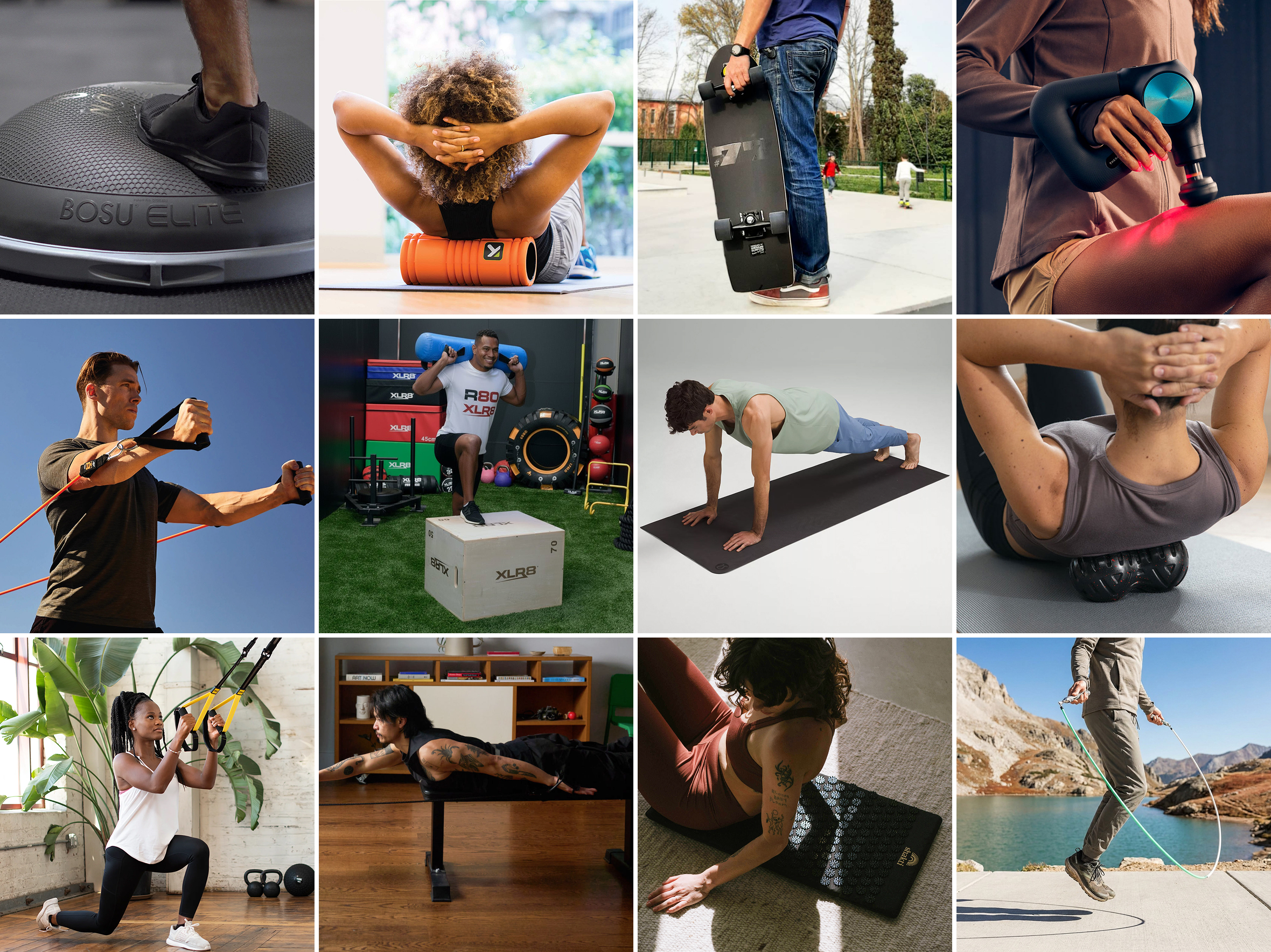
A home gym came out of COVID, born from the simple reality that a quick gym trip between meetings isn’t always realistic once you factor in drive time. Going all in didn’t mean expensive dumbbells and heavy equipment, compact gear made more sense, keeping the space multi-purpose rather than a dedicated gym nobody else could use. Carpeting the garage felt like a ridiculous extravagance until I discovered it was only $800 for the carpet and installation, signed the contract on the spot.
Complete no-brainer in hindsight, and it’s earned back its cost several times over as extra space for when the kids have mates round. Long way from the garage’s previous job as the one place to hide out for ten minutes and eat an entire bag of chips in peace, some things Facebook never lets you forget.
The full kit now includes a Bosu, a TRX strap rigged off a hook in the laundry room ceiling, a surf paddle trainer, a plyo box, resistance bands, yoga mats, a surf skateboard, and massage rollers. The massage roller gets more use than anything else in the whole setup. Desk job, knotted back by 3pm most days. A travel-sized version comes on the road too, small enough to toss into luggage without a second thought.
Here’s what that looks like on paper, five blocks, moving at whatever pace the body’s asking for that day.
There’s a particular kind of clarity that comes with getting older, an unspoken timeline nudging your priorities into a different order, whether that’s a decision you make for yourself or, in my case, one that gets made for you.
Health became my main priority years ago. Mainly because I was getting older, I was a tired dad, and also because of a book a friend gave me that rewired how I think about pretty much everything: How to Fail at Almost Everything and Still Win Big, by Dilbert creator Scott Adams. The best ideas come from the most unlikely places sometimes, and this one was a genuinely unexpected find, a real hidden gem. Scott’s argument is deceptively simple: chase systems, not goals.
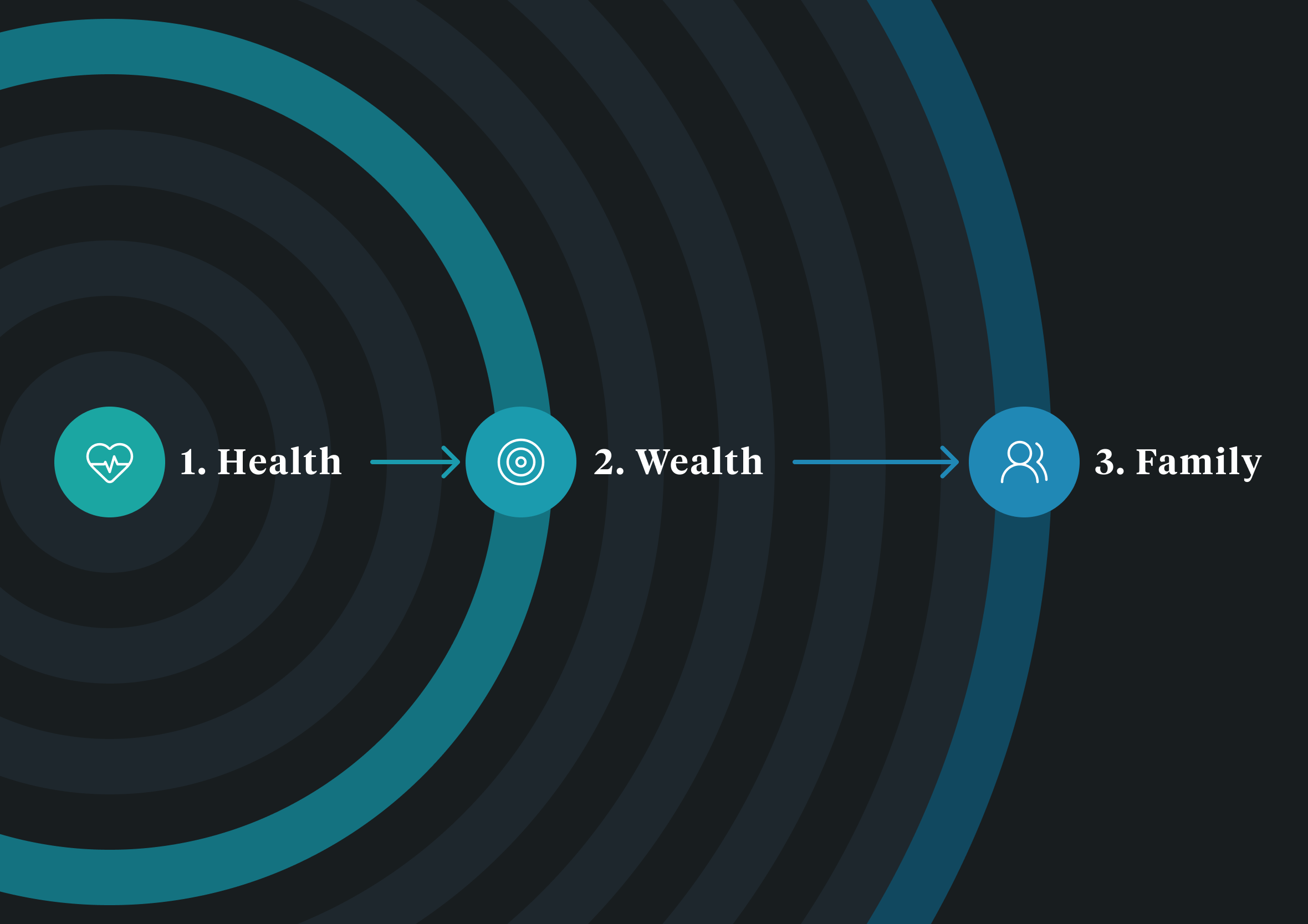
Build daily habits and let the results show up on their own schedule. He describes priorities as concentric circles, like an archery target, you at the centre, then everything else stacking outward from there. The first three rings are the ones that matter most for this story:

Health
The centre ring. Taking care of your own health first is, in Adams’ words, job one, since everything else runs on it.

Wealth
The next ring out. Getting your personal financial engine running properly matters here, built by stacking a handful of ordinary skills together rather than chasing mastery of one.

Family
The third ring. Family, friends and lovers, tackled once health and money are sorted, not something earned eventually once everything else is “done.”
His model keeps expanding outward from there, community, country, the world, though those rings matter less for a surf fitness article than the first three do. That thinking is exactly why, when I sat down and properly named my own values, health landed right at the top, no contest. Some days that’s a three hour, high-octane surf that leaves me wrecked in the best possible way. Other days it’s two cups of coffee poured into a Yeti, a treadmill at the gym, and a Mastodon documentary playing on YouTube. Doesn’t get much more rock ‘n roll than that, honestly, haha!
I even gamified it, because of course I would, that’s how I’m wired, and probably exactly what you’d expect from a UX designer. The rule is simple: 30 minutes minimum, and it’s a flat day rate, four bucks, straight into an imaginary jar, whether the session runs long or I train twice in one day. These are 2015 prices too, which says something about how long this has been running. The activity itself gets chosen on the day based on mood, energy levels, or just listening to how my body’s feeling. Over the years that’s quietly stacked up to well over a thousand dollars, the best, most reliable fitness incentive in my whole toolkit.
To celebrate landing a new job, we bought the kids a PS5 with Tony Hawk’s Pro Skater 1+2. Our PS4 was on its last legs, crashing and restarting constantly, and given it’s also how we watch Netflix and YouTube, it felt like the right moment to celebrate and sort the problem at the same time.
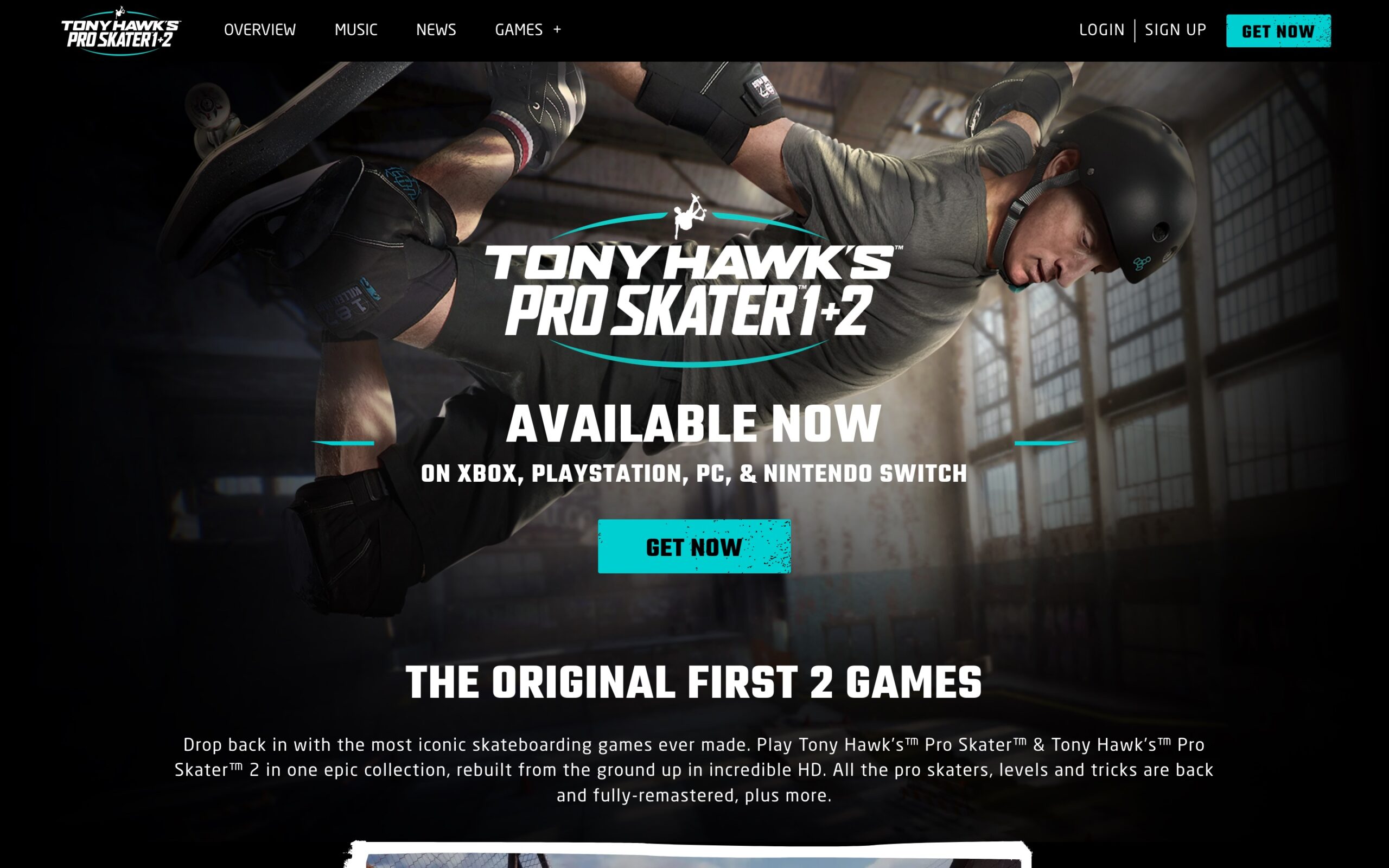
The remaster has more going for it than I’d realised or remembered. Haptic feedback through the DualSense controller means you actually feel the board vibrating under you, real resistance built into tricks like reverts. There’s a nice little detail on Venice Beach too, skate close enough to the fountains or hidden pathways near the water and actual droplets splash onto the screen like they’ve hit the camera lens. Small things, but they add up to something more immersive than the original ever managed.
Riding vert, on the game and at the skatepark in real life, is my favourite way to mimic timing a wave. I’m nowhere near doing aerial manoeuvres in the surf, but doing them on the halfpipe in the game has genuinely made me more confident carrying turns into real waves. Almost like VR, honestly, I could feel the movement and see exactly what the trick required, then go try to replicate that poorly out in the water.
When I first heard about people having cold showers, and every benefit that supposedly came with them, I thought right, I need to get in on this. Naturally, I took it literally. If you weren’t being bold and starting cold, you weren’t just shortchanging yourself, you were missing out on the whole payoff.
Half asleep, I’d crank the water to full cold and make it about halfway through the timer before bailing out, still covered in body wash and shampoo. Grab a towel, wipe it off, try to forget the whole thing happened, and get on with the day.
An absolute assault on the senses, one that threw me off my game for the rest of the day. Twice was enough to decide I wasn’t built for this, and I called it quits.
Hindsight has this habit of turning up right when you don’t need it anymore. A few years later, I finally figured out where I’d been going wrong the whole time. Start with a normal shower, like always, in warm water first, then step the temperature down gradually, lukewarm, then full cold, so the only thing on your mind is your breathing. No excuse to bail early mid-shower, head to toe in shower product, looking like a guy who’s seen some stuff.
Breathing is where you actually get to take control back. It’s not easy, yet this is the one thing working in your favour. Cold water triggers a gasp reflex the second it hits your skin, your body tenses, and you’re suddenly taking short, fast breaths while your brain plans an exit.
Brace for the impact, expect the shock to the system, then go zen.
Home setups don’t need to be expensive, and they don’t need much space either. Unless the gym itself is the problem, then this investment genuinely might be the better option.
None of my equipment was purchased all at once. Gear got added slowly over the years, whatever made sense at the time, always against one test: will this actually help my surfing? Buying on demand beats buying everything upfront, and suits my minimal design approach too. I hate clutter. Everything in that garage has its place.
That same discipline carries over into keeping up a stretching routine before and after a surf, but that’s a story worth telling properly on its own.