
• Written by Rich McNabb • Proofread & Edited by Claude AI
What my ideal UX/UI Design role looks like
A straightforward look at what I'm after, the kind of company, team and work that brings out my best.


• Written by Rich McNabb • Proofread & Edited by Claude AI
A straightforward look at what I'm after, the kind of company, team and work that brings out my best.
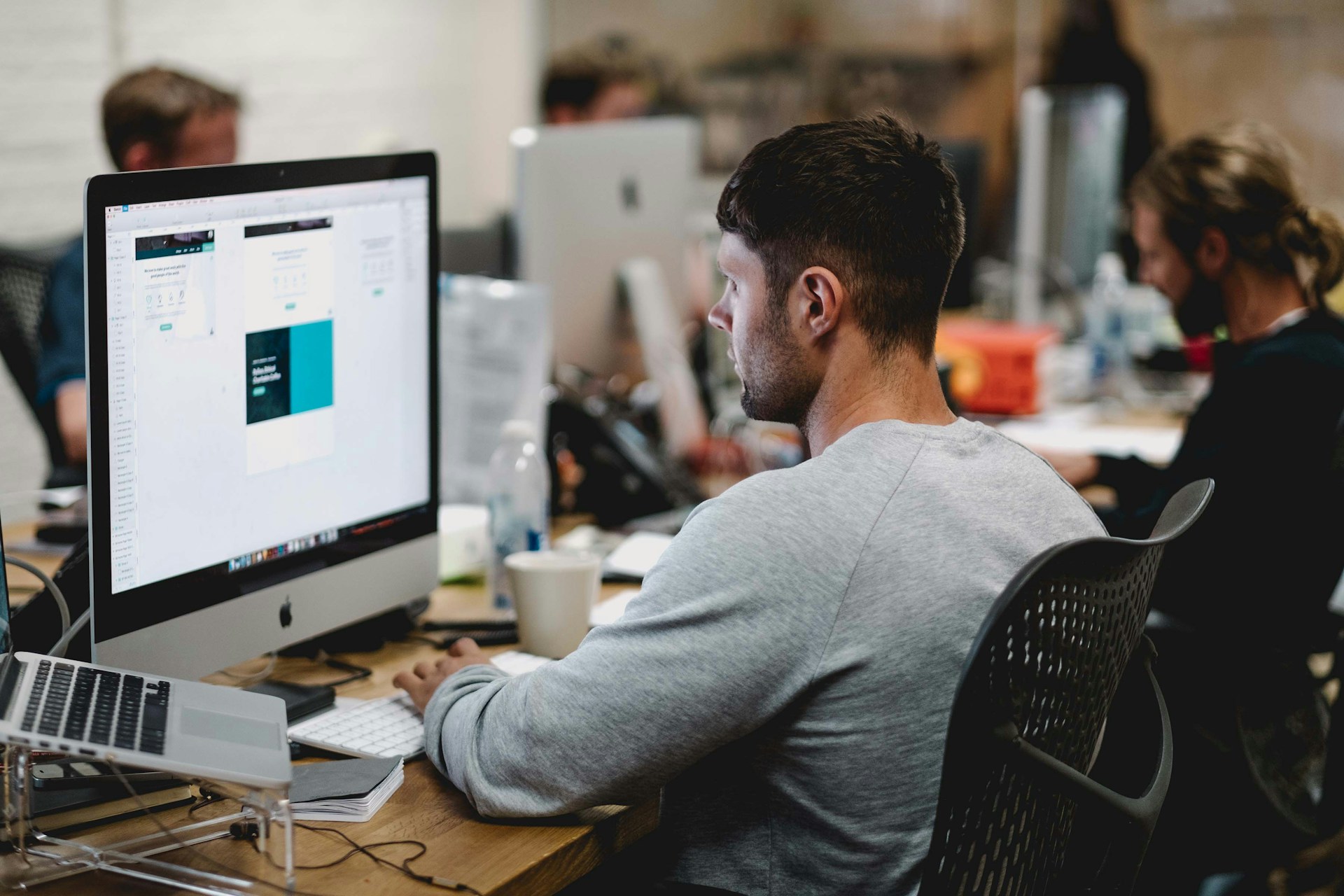
Image credit:
That’s usually the first question I ask when I’m exploring a new opportunity, and honestly, the answer carries a lot of weight in whether it feels like the right fit. I recently read an article by Mike Kivikoski called Ideal employment, about the value of clearly outlining what you’re actually looking for in your next role, and the kind of companies you’d like to work for. It’s a simple idea, but I hadn’t properly sat down and done it myself.
So I took the time to gather my thoughts and realign my professional goals with the career path I actually want to follow. The exercise gave me a clearer sense of direction than I expected.
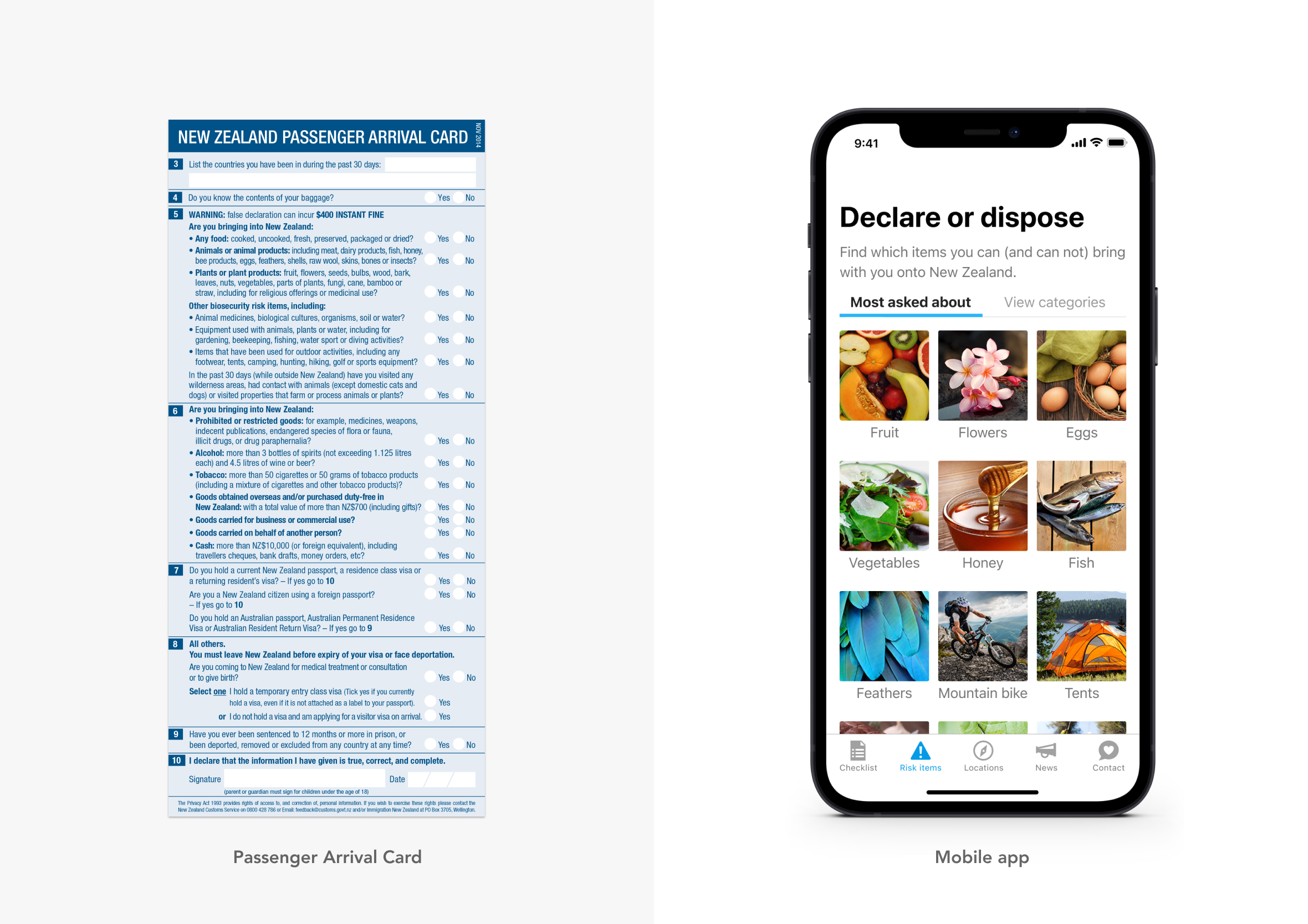
Over the years I’ve got clearer on what makes a role genuinely rewarding. These four things consistently show up in the work I’ve enjoyed most, and in the questions I ask when I’m exploring a new opportunity. I unpack each of these in more detail in the questions I ask, but here’s the short version.

People
Great team culture where people have fun and create amazing work together

Projects
Projects that matter, built with collaborative teams who love seeing ideas come to life

Process
Design, technology and business working together to deliver great products

Problems
Solving real-world problems for customers while generating revenue for businesses
I follow a clear process built around four stages: discover, define, design and deliver. I start by understanding the problem before jumping to solutions, talking to people, gathering context and challenging assumptions rather than taking them for granted. From there, I turn what I’ve learned into a clear problem statement and a real sense of direction.

Discover
Understanding the underlying problem and gathering deep context from users

Define
Turning insights into early sketches and user flows with the engineering team

Design
Setting up design foundations and building high-fidelity, interactive prototypes

Deliver
Running walkthroughs, championing the user, and shipping polished, accessible work
I design in Figma, using components, variables and prototypes to communicate ideas clearly, exploring solutions within real constraints and timelines. I validate with real users through interviews, usability testing and research rather than relying on assumptions, then work closely with the wider team to bring the solution to life, on time and to a high standard.
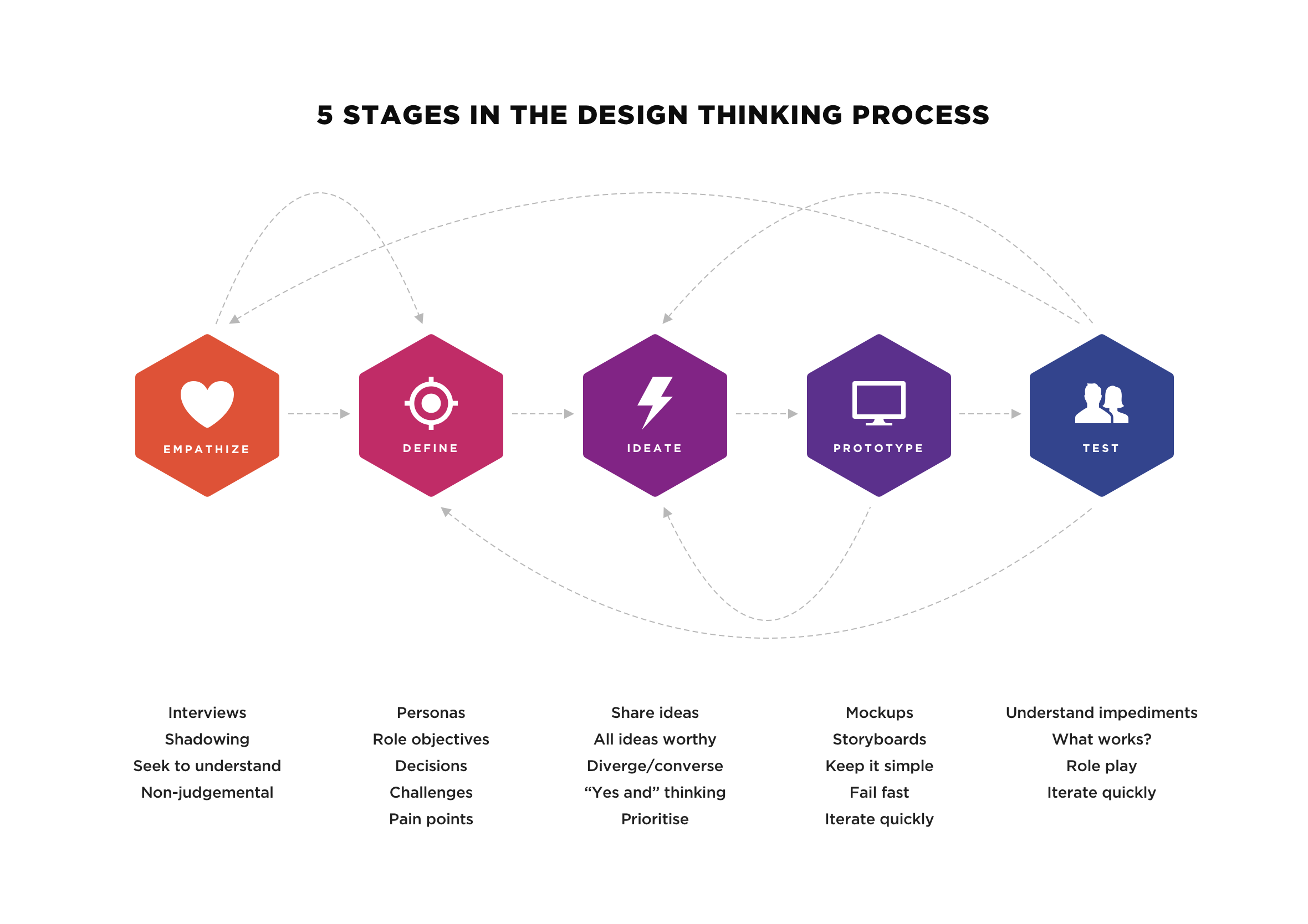
Most of this comes back to the same 10-step design process I’ve refined over the years. I collaborate closely with developers, product managers and stakeholders throughout, and I design with a minimal, modern approach that helps users complete tasks with less effort, not more decoration.
I’d love to join an established software product company with an in-house design team that genuinely values collaboration, craft and sharing ideas. Clear processes, real empowerment, and a culture that cares about people, their career, health, family and lifestyle, all matter to me. If your team values training, keeps the work week reasonable and genuinely listens to your customers, we’re probably a good fit.
I’ve spent 15+ years working across mobile apps, web platforms and design systems, most recently with teams at Xero, ANZ, Te Whatu Ora and HazardCo. That range means I can move comfortably between a fast-moving startup problem and a large, established organisation’s design system without missing a beat.
My early career in web development still shapes how I work today. I naturally bridge the gap between design and development, which makes collaborating with engineers feel less like a handoff and more like building something together. I think in systems, whether that’s a full design system or an in-house process, and I take real pride in the craft and the quality of what I ship.
I love designing beautiful experiences for mobile and web, and I’m drawn to the size and complexity of a problem more than the size of the company behind it, whether that’s a startup or a large organisation. What matters most is the work having a clear connection to real customer needs, on a team that collaborates, shares knowledge and takes pride in what they ship. I’m looking for space to contribute at a senior level, shaping problems rather than just delivering solutions to ones someone else has already defined.
Continued learning matters to me too, through challenge, mentoring and shared knowledge, in a culture where people genuinely care about each other and the work. Being neurodivergent has shaped a lot of this. Dyslexia and ADHD give me a way of a different angle, and I want to work somewhere that sees that as an asset rather than something to work around.
The roles I’ve valued most have had all four Ps in place, people who care, work that matters, a process built around the customer, and problems worth solving. It’s never really been about job titles or tools. It comes down to whether design gets to be part of the thinking early, or just gets handed a finished brief to make look nicer.
You can usually tell within the first few weeks. Are you being asked to solve problems, or just style screens that have already been decided elsewhere? Is there room to push back on an idea, or is the brief treated as fixed the moment it lands? Those small signals tend to say more than any job description.
You see this most clearly in a project like a banking app rebuilt, or a dispatch dashboard built, where structure and decision-making shaped the experience from the ground up. Both needed design in the room early, not brought in once the important calls were already made.
If any of this sounds like your team, my about page has a bit more on who I am outside the job title.