#Product design
Digital product strategy, scoping, and human-centered design, from the fundamentals behind a 10-step process through to rebuilding a portfolio from scratch and what a genuinely ideal design role would actually look like.


Digital product strategy, scoping, and human-centered design, from the fundamentals behind a 10-step process through to rebuilding a portfolio from scratch and what a genuinely ideal design role would actually look like.
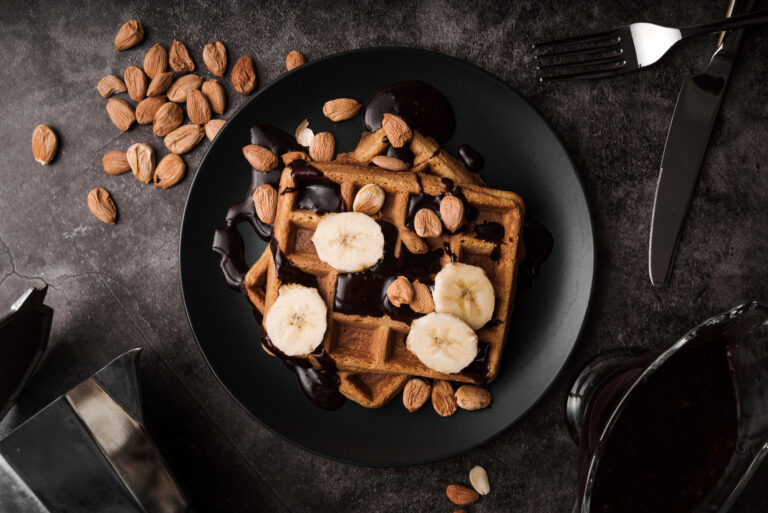
Years of finding gluten-free waffles or dairy-free waffles, never both in the same place. This 4-ingredient waffle recipe solves both problems at once, no substitutes, no compromise, just one recipe that actually works.
"What's your design process?" I get asked this constantly, and for years I genuinely didn't have a real answer. This is the exact 10-step process I finally wrote down, from initial brief through to final delivery to a client.

Six weeks of nights and weekends, hundreds of AI prompts, and one very old, PHP-patched website. Here's everything I learned rebuilding my UX/UI portfolio from the ground up, low-code, on WordPress. Every mistake included, nothing glossed.
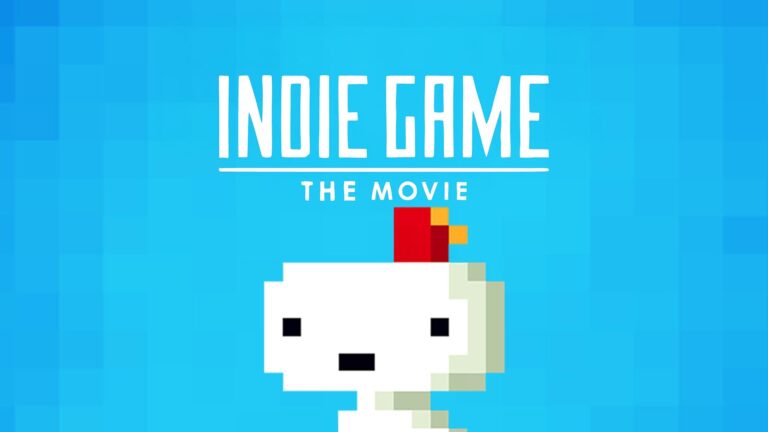
Nine documentaries about design, creativity and craft that are genuinely worth your time, covering graphic design, typography, urban planning, advertising and indie game development from people who obsess over the details.

These are the fonts professional designers keep coming back to, again and again, to convey style, tone, emotion and readability. The serif and sans-serif typefaces that actually earn a place in real projects, with the history behind each.

Whenever I meet people about new roles, they ask me to explain my process. This university paper is where I first properly wrote it down, a week-by-week UX breakdown designing a police dispatch dashboard from brief to prototype.

How I use a 4px/8px baseline grid alongside a traditional typographic scale to create consistent, well-structured layouts across both web and mobile design, without second-guessing spacing decisions on every single screen.
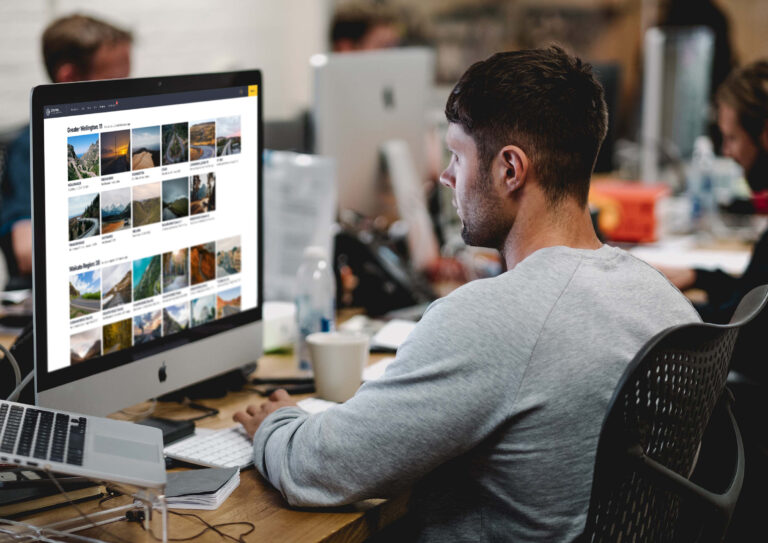
"What's the problem you're trying to solve?" That's usually my first question when exploring a new opportunity, and honestly, the answer carries a lot of weight. Here's what my ideal Product Design UX/UI role would actually look like.

"Where am I?" Always indicate active navigation states. A quick, practical reference covering the core principles of UX and UI design, from information architecture and affordances through to signifiers and genuinely useful testing.
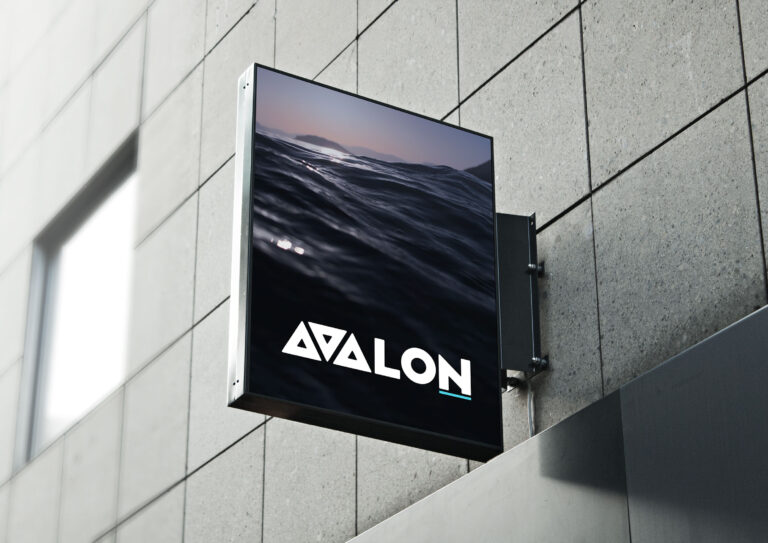
Logo design isn't my primary service, but it's something I genuinely enjoy doing. Over the years I've taken on the occasional branding project alongside my core UX/UI work, plus a few personal ones just for the fun of it.