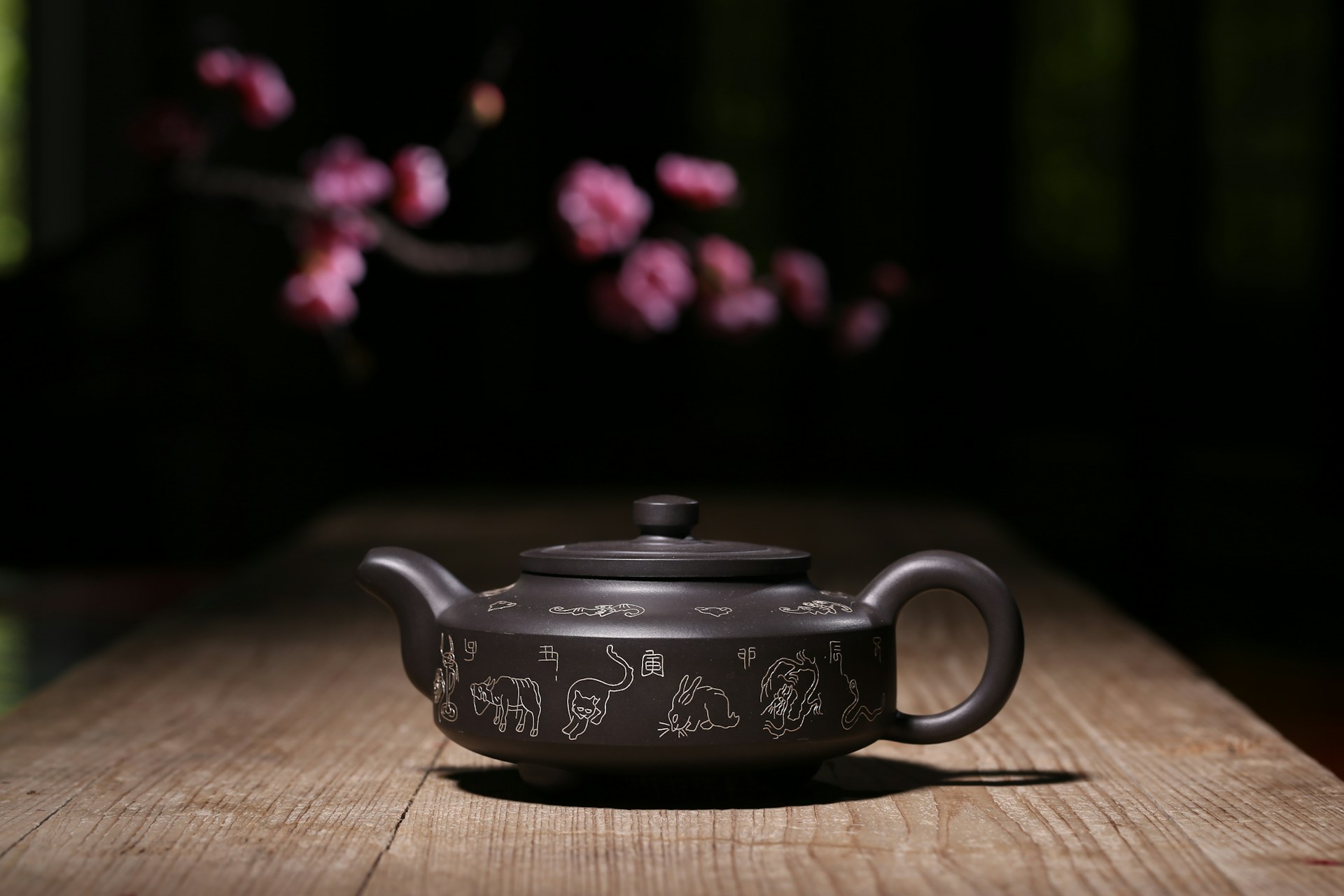
Boil water, add tea, wait, done. It should be simple, but watch how differently people actually make a pot of tea and you'll quickly see it isn't. Here's the step-by-step French press method a good friend taught me years ago.
When something simple stops being simple
There are a few things people are oddly serious about, and tea is one of them. It should be simple: boil water, add tea, wait, done. Watch how different people make it though, and you quickly realise there’s no shared agreement on what “right” looks like. Water first or milk first, how strong it should be, how long it should steep, even the cup itself becomes part of the debate.
A friend of mine, Phil Mair, was kind enough to show me his process for making the perfect cup of tea. Like most recipes, a well-designed process tends to produce better results.
Why it ends up different for everyone
The interesting part isn’t tea itself, it’s how quickly people develop their own version of “correct”. Some people optimise for strength, others for speed, others for ritual, and some barely think about it at all. None of these approaches are wrong, though they rarely align.
It’s a useful reminder that even the smallest tasks are shaped more by preference, environment, and habit than we realise. Once a system settles, it becomes invisible. You stop thinking about it and just do it.
Phil’s process for making the perfect cup of tea
Step 1: Boil the kettle Fill the kettle with fresh cold water and bring it to a boil.
Step 2: Warm the French press Pour a small amount of boiled water into the French press to warm it up, then discard the water.
Step 3: Measure the tea Add 1 level teaspoon of fresh loose leaf tea per person, plus 1 extra teaspoon for the French press.
Step 4: Let the water cool slightly Wait approximately 2 minutes after boiling before pouring. This helps avoid burning the tea leaves.
Step 5: Steep Pour the water into the French press, cover with the lid, and leave to steep for 3 minutes only.
Step 6: Stir and press Stir gently, then push the Fresh press down.
Step 7: Serve Pour and serve immediately.
That’s one version of a system. Most people quietly build their own.
Why small systems matter
This kind of pattern shows up everywhere once you start noticing it. In design, in workflows, and in everyday behaviour.
That’s usually where interesting design problems sit. Not in big, dramatic moments, in these invisible systems people don’t realise they’ve built. Once you start seeing them, they’re hard to ignore.
The perfect cup isn’t the point
There probably isn’t a perfect way to make tea, though there is a perfect way for you. And once that system forms, you stop questioning it. It just becomes how things are done.
Once you notice it
Making tea looks simple until you actually pay attention to it. Then it becomes a small study in behaviour, preference, and repetition, and how quickly personal systems form without us noticing.
A friend showing their process makes that even clearer. There isn’t one correct version, just different systems that all aim for the same outcome. That same pattern shows up everywhere once you start looking for it:
In UX design, it appears in how people move through interfaces without thinking.
In mobile app design, it shows up in tiny repeated actions that become habits.
And in dashboard design, it becomes obvious in how users quietly build their own ways of interpreting information over time.
The interesting part isn’t the tea. It’s the system underneath it, and how often that same pattern shows up in the products we design.