Claude Assist: Flip the narrative with reverse prompting
How reverse prompting, Claude asking the questions instead of me writing the brief, finally got my ideas out of my head and onto the screen without losing my own voice somewhere along the way. A method I'll genuinely keep using going.
Partnering with Claude to get my ideas out of my head and onto the screen
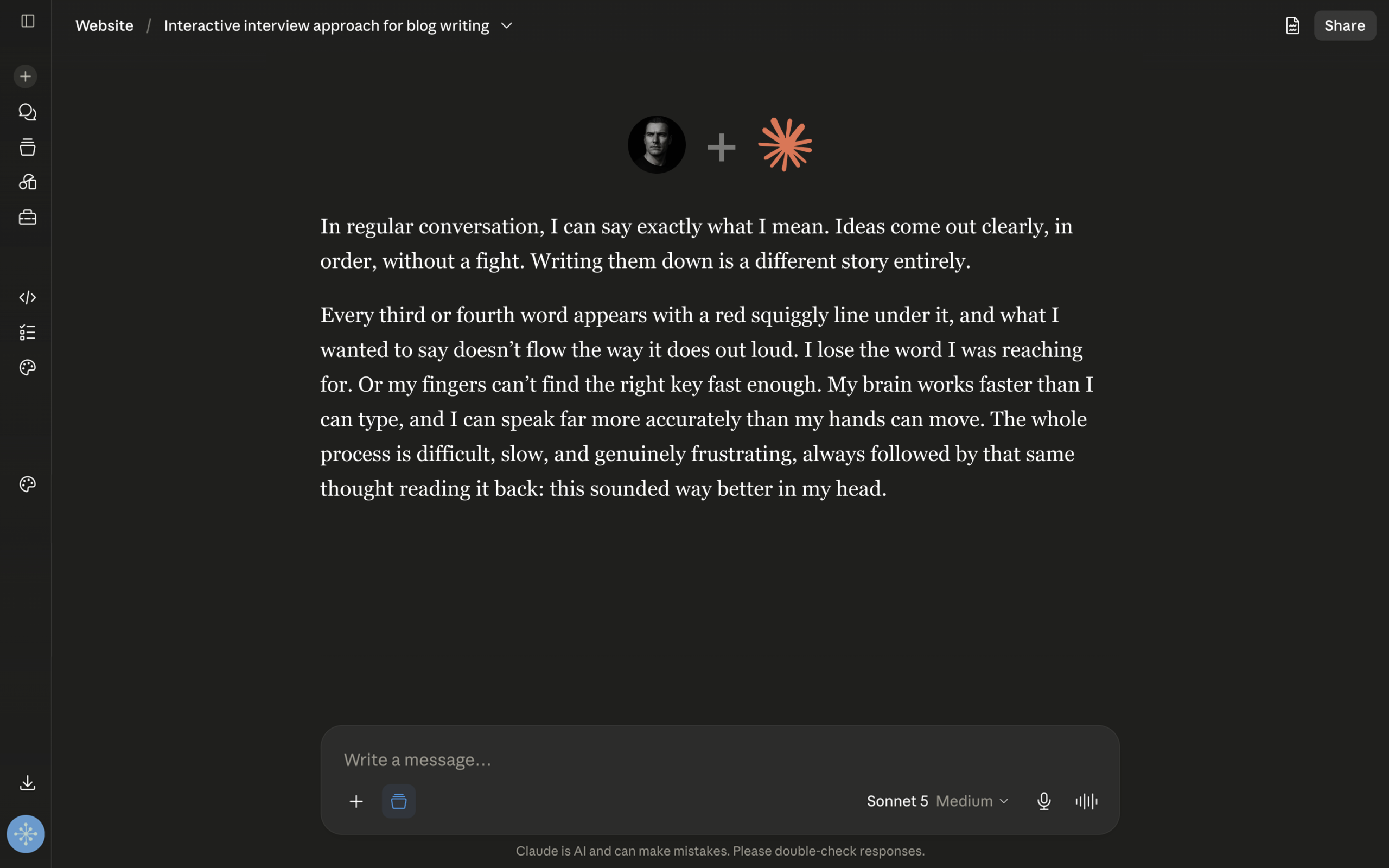
In regular conversation, I can say exactly what I mean. Ideas come out clearly, in order, without a fight. Writing them down is a different story entirely.
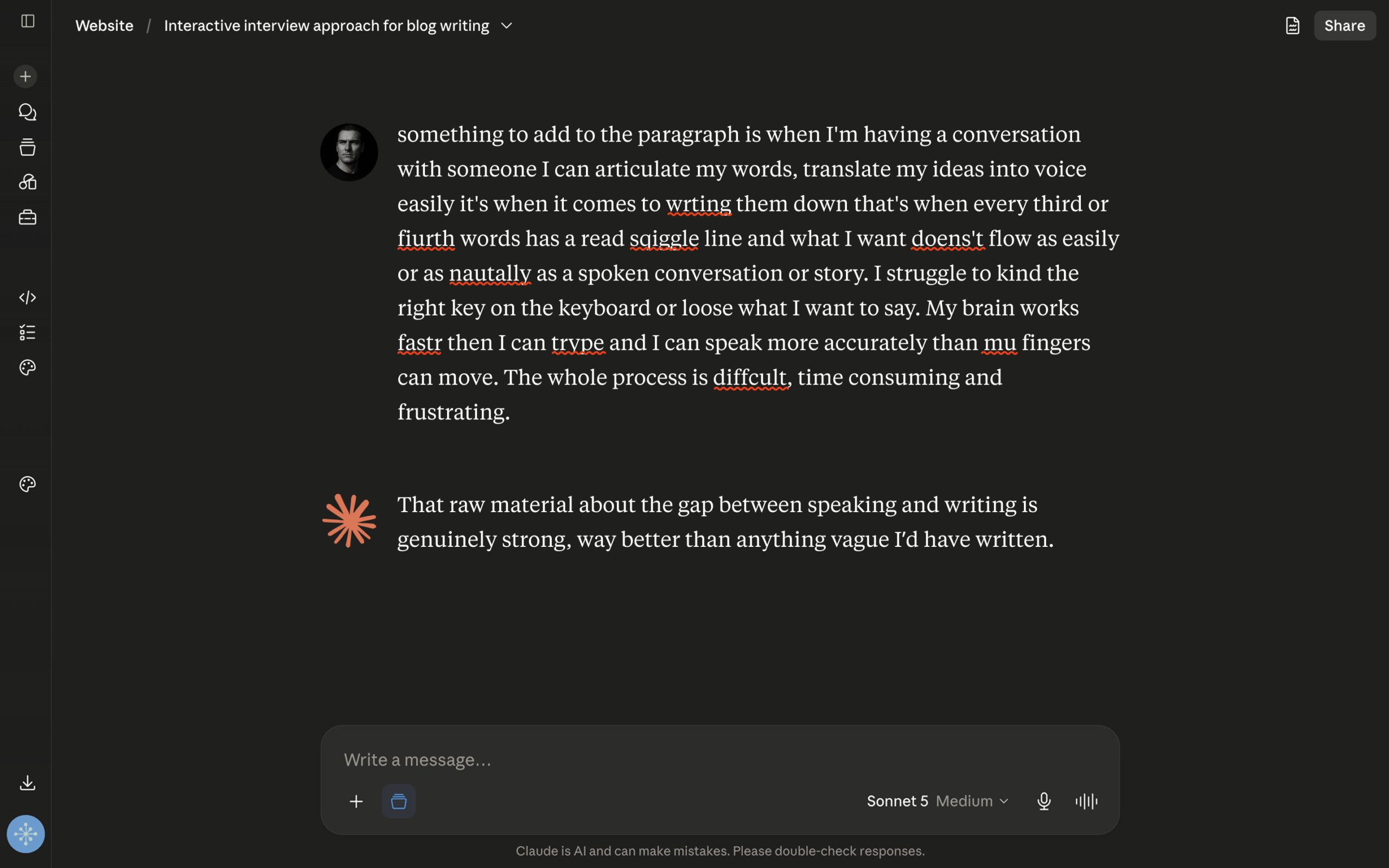
Every third or fourth word appears with a red squiggly line under it, and what I wanted to say doesn’t flow the way it does out loud. I lose the word I was reaching for. Or my fingers can’t find the right key fast enough. My brain works faster than I can type, and I can speak far more accurately than my hands can move. The whole process is difficult, slow, and genuinely frustrating, always followed by that same thought reading it back: this sounded way better in my head.
How it starts: Just ramblings and garbled text with some points to make are shared with Claude.
That gap between speaking and writing is exactly why I wanted to try something new and flipped the direction of prompting. Most people think of it as one direction, you write the instruction, the AI responds. Instead, I gave Claude a rough idea of what the article was about and who it was for, and together we came up with questions to work through (reverse prompts), one at a time, to jog my memory and pull details out of my head I might not think to include on my own. Exactly like when you’re having a chat with someone and you think “oh yeah, that reminds me of that time…” I answer however it comes out, messy, half a sentence, a tangent that has nothing to do with the article at hand. A single question is a lot less daunting than a blank page or a long brief ever was. Multiple drafts, multiple rewrites.
English is my second language
It’s not, I lied.
It’s my first, I just say that to people because I’m terrible at writing and hope it buys me some time. My handwriting is indistinguishable from a doctor’s script. Plus there’s no feedback loop on paper, aka the red squiggly line on screen, to let me know I haven’t quite nailed the letters in the right order on a word. Really, it’s the fear of being caught out in front of people who’d notice, so the lie becomes easier to reach for than the truth.
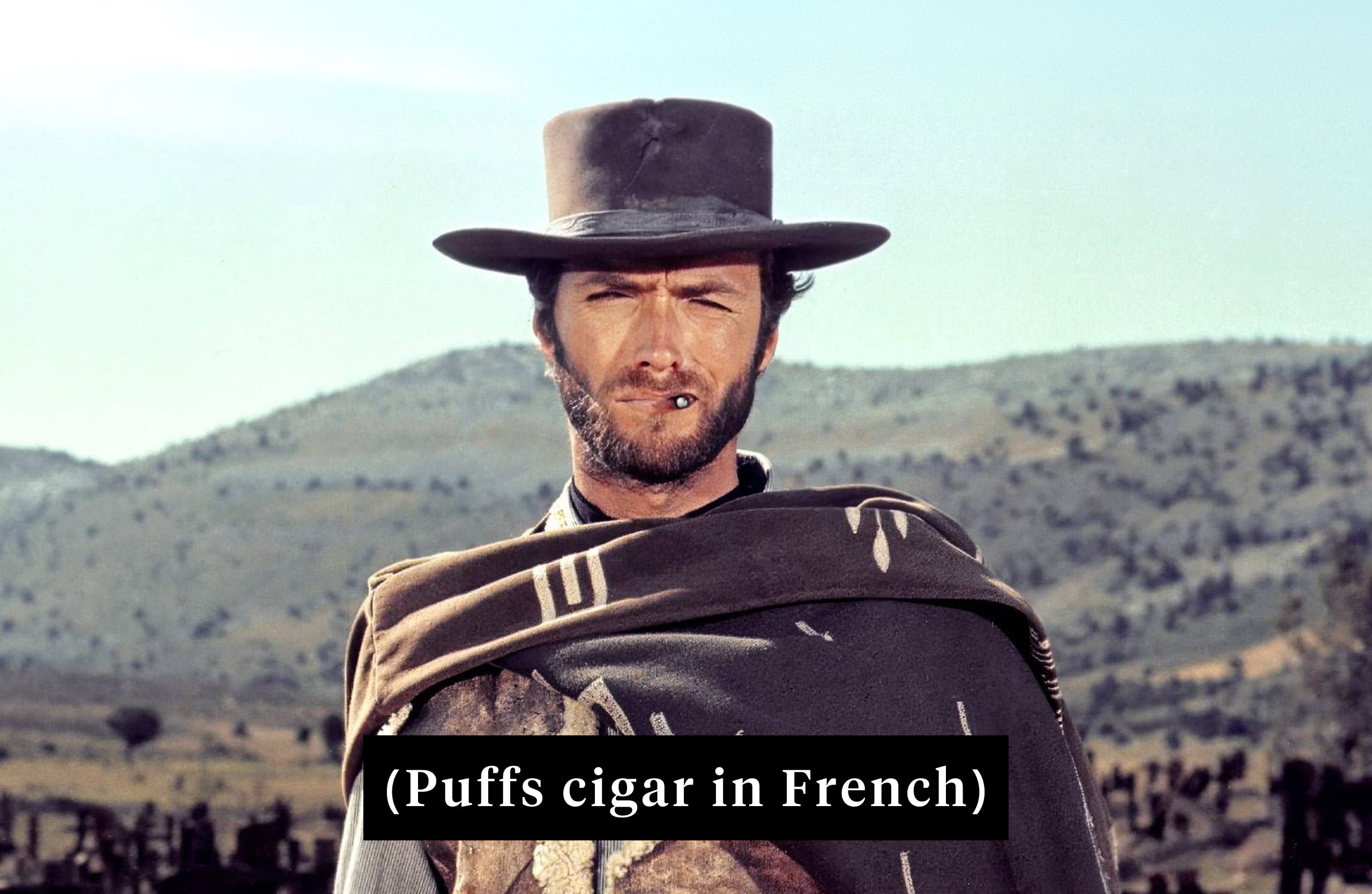
Without a proper check, what actually comes out can read like a pirated straight-to-VHS dub of what I meant to say, subtitles run through a spaghetti western translator. Technically words. Just not the ones I sent. Or the ones in my head.
Clint Eastwood quietly dies inside after looking down and reading the subtitles.
Switching roles and asking Claude to interview me
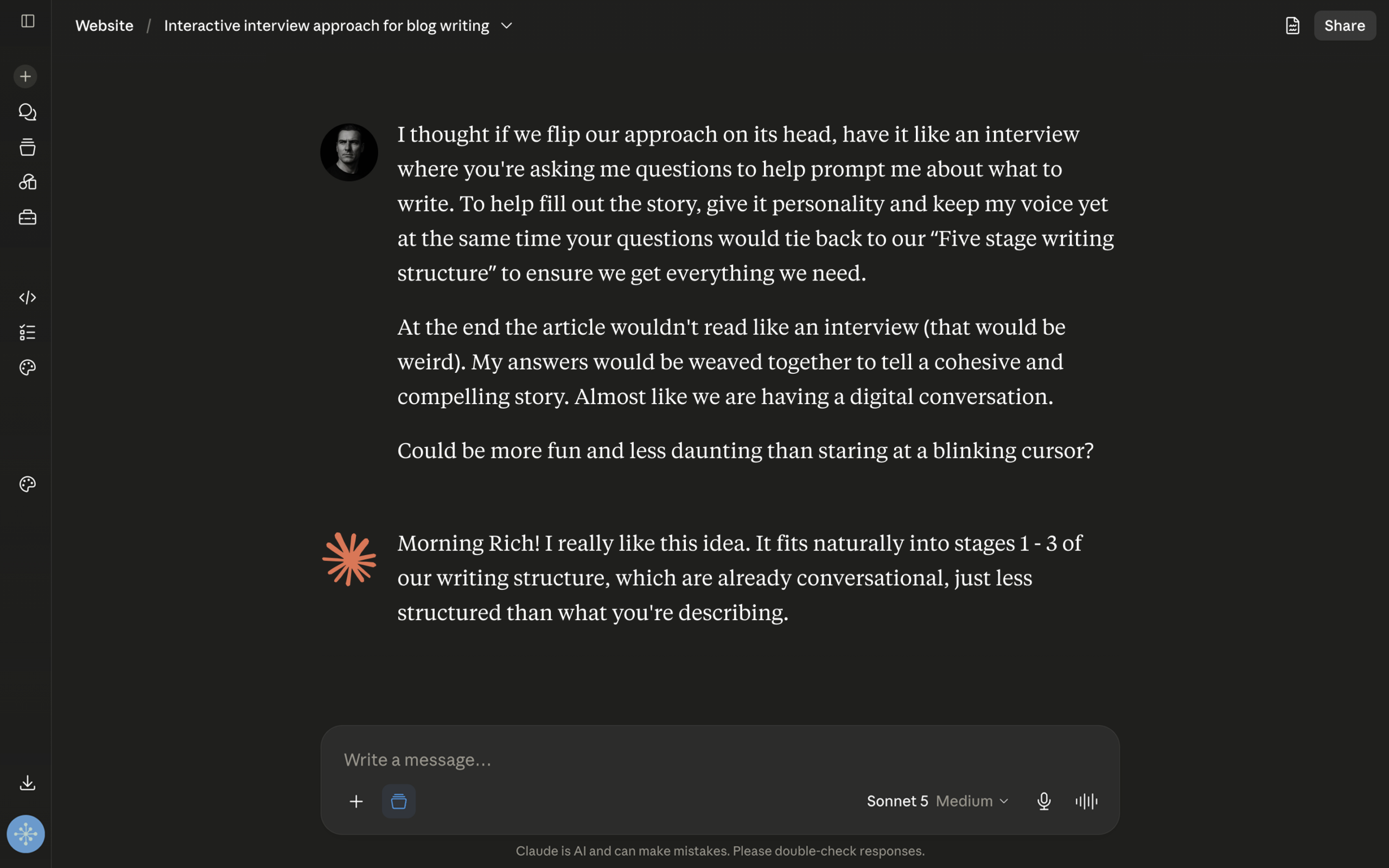
Rich: I thought if we flip our approach on its head, have it like an interview where you’re asking me questions to help prompt me about what to write. To help fill out the story, give it personality and keep my voice yet at the same time your questions would tie back to our “Five stage writing structure” to ensure we get everything we need.
At the end the article wouldn’t read like an interview (that would be weird). My answers would be woven together to tell a cohesive and compelling story. Almost like we are having a digital conversation.
Could be more fun and less daunting than staring at a blinking cursor?
Claude: Morning Rich! I really like this idea. It fits naturally into Stages 1 to 3, which are already conversational, just less structured than what you’re describing.
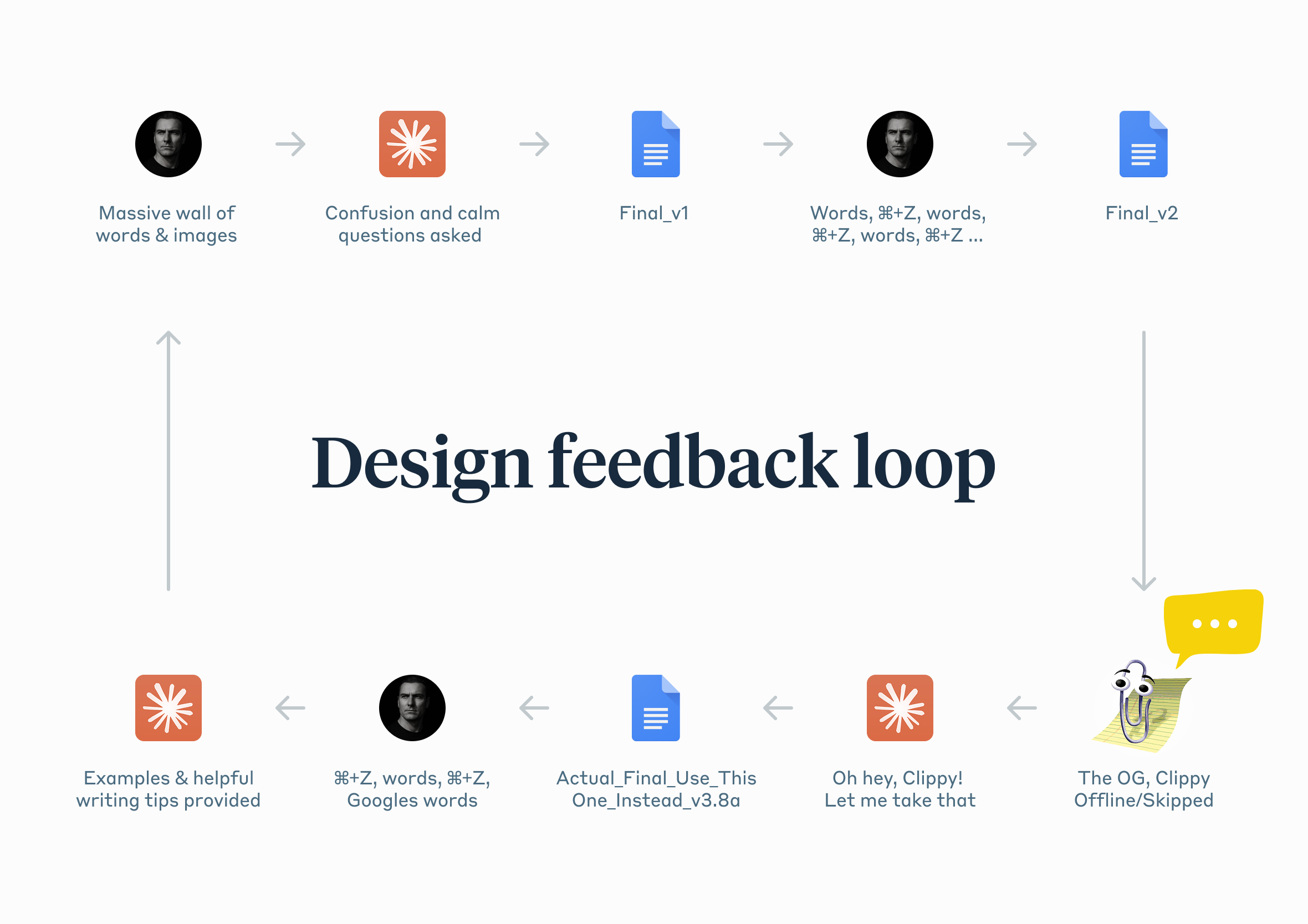
We decided to switch seats to try out this approach (aka the reverse prompt).Claude and I finding our groove during the design feedback process 😂How it ends: After multiple rounds of drafts, rewrites and back and forth it resembles something like this.
Based on a true story
Real experiences, lived through rather than invented, anecdotes, comparisons, small observations that only mean something because they actually happened to me. Strip those out and a story stops being a recollection and turns into something generic, inauthentic, forgettable.
Strip out the personality and the voice and it starts to sound over-processed, exactly like it reads. The questions create the space for that material to surface. It’s all in there somewhere, it just takes time to surface as I slowly type.
That’s the actual mechanism worth naming, not that Claude makes anything funnier or better, that the format gets out of the way of what was already there. Ironing out the kinks and making everything just a little easier to read and understand.
Modern problems require modern solutions.
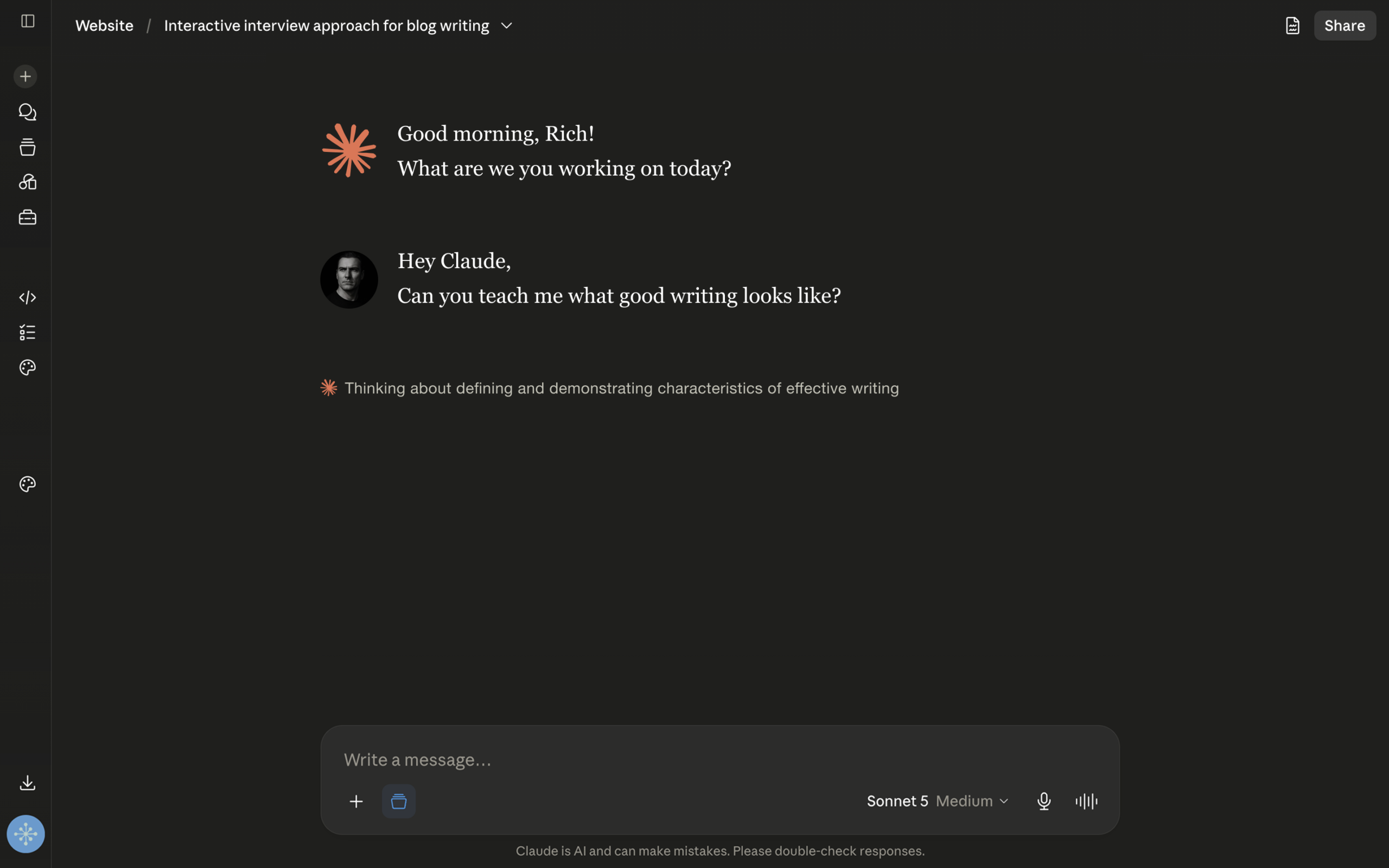
Hey Claude, can you teach me what good writing looks like?
Not every question was about jogging my memory to help write the story. Sometimes it’s a straight up ask for help to get better at crafting and storytelling.
The rules guiding this whole approach never sat still. We were effectively drafting four or five articles at once, each one meant to stand alone while complementing the others, avoiding duplication or a copy-paste, cookie-cutter feel between them. Chaotic and messy in the moment, though honestly the perfect testing ground, not unlike the minimal design challenge I ran a few years back, sharpening instinct through repetition rather than chasing one polished attempt.
Short, LinkedIn-style one-line paragraphs got eliminated entirely, along with words I’d genuinely never use in real life. Headings exist to be scanned, especially for dyslexic and ADHD readers hunting for the bit they actually need, so vague or clever-yet-empty headings got cut too.
Getting some Creative Writing 101 tips.
Rewriting the playbook on the fly
Here’s a small slice of the actual rules guiding every article on this site:
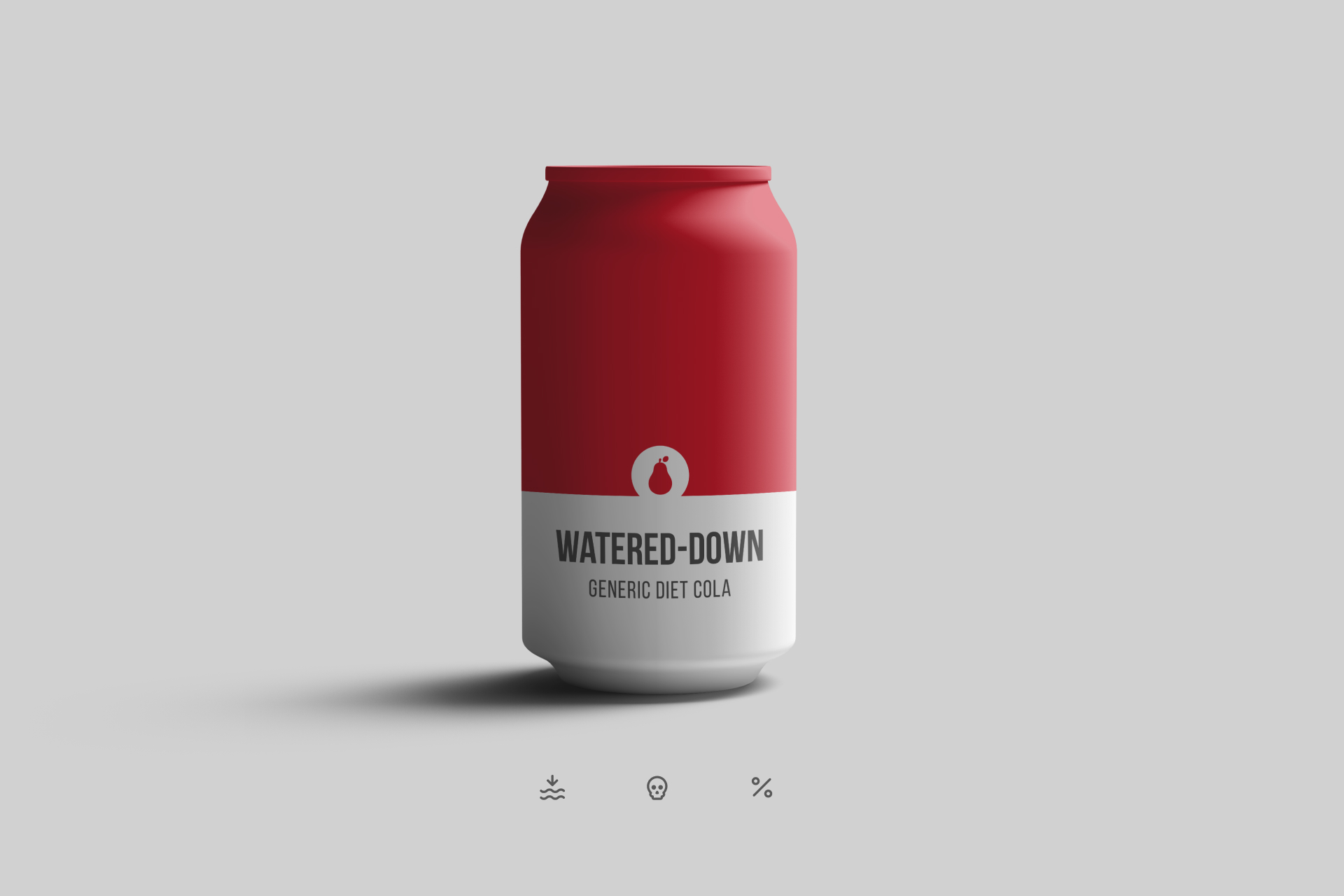
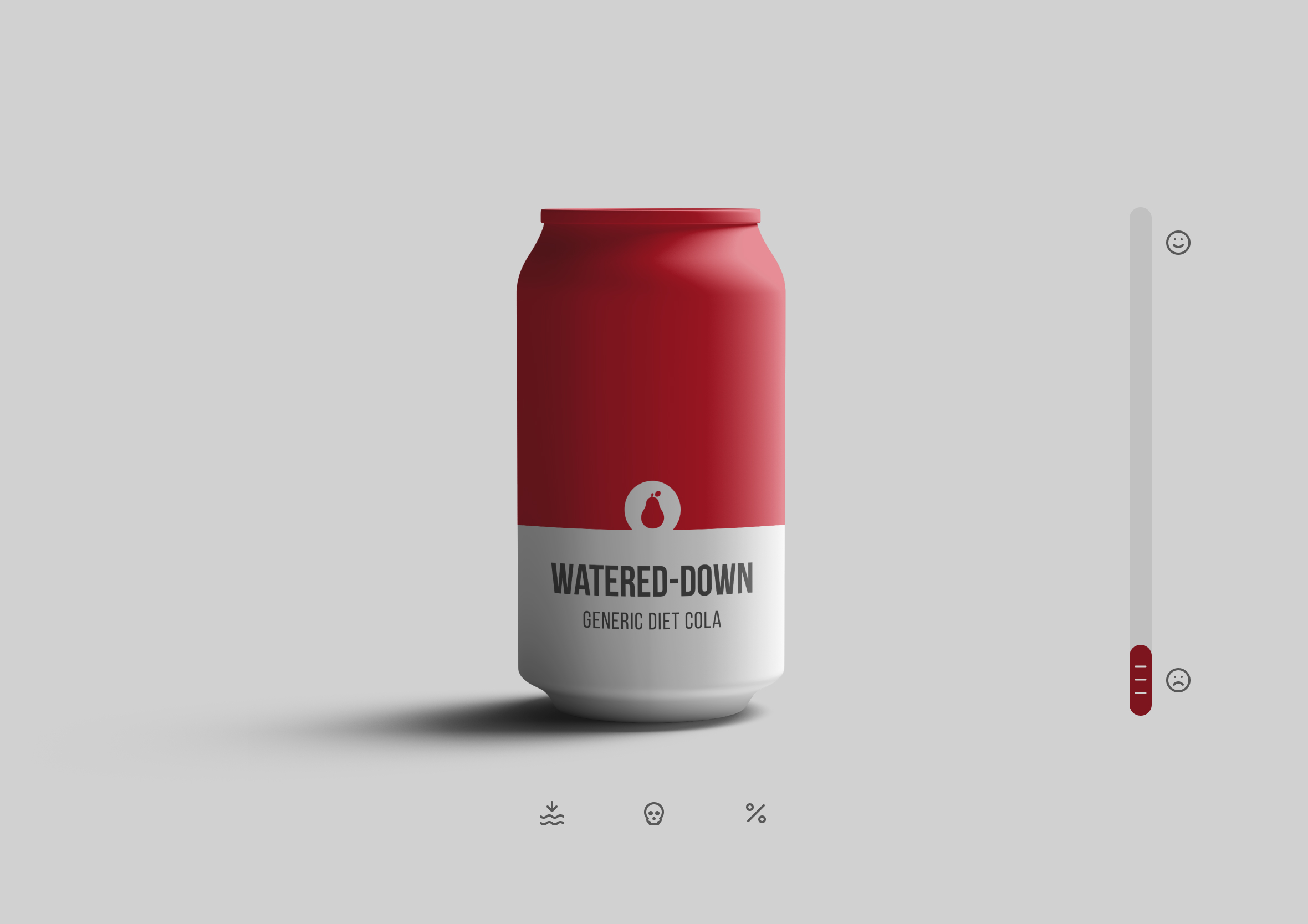
My ideas, writing style, tone and voice stay mine, not watered-down diet coke
Never em dashes or double hyphens, ever, I have no idea how they even work
No LinkedIn, Instagram, or influencer-style formatting or suggestions, goes both ways
Headings are clear anchors to improve scanning
Expressive cadence, write like I talk, not optimising for clicks, likes or engagement
Reads like I’m telling you a story, not dumping facts
Feedback comes with rationale, not just fixes, so it actually helps me learn, not comply
Call me out on bad ideas and push back on lazy writing
Goldilocks sentence length, long enough to breathe, short enough to land, never too much of either
Change up how sentences open, don’t lean on “I” every single time
Get the balance right between good grammar and correct spelling, without turning it into generic, watered-down robot content.
Five stage writing structure
Every article on this site, whether it’s a personal story or a design case study, gets built around the same five-part shape before a single sentence gets written. It’s the plan Claude and I agree on together, then fill in through the interview.
Hook
When the bell rings, come out swinging, land that first idea before the reader has time to think about looking away. A solid opening is designed to stop you in your tracks and capture your curiosity. It’s not a summary or a preview, it’s a compelling argument to keep reading the next sentence.
Setup
Like a scene from a courtroom, make the case before the verdict’s in. This gives you the “why” upfront, a reason to care about what’s coming, before the story itself even starts. Skip this and you’re left wondering “where’s the back button?” before you get a few scrolls deep.
Core flow
You’re buckled in, coming along for the ride, and you don’t fully know where this is headed, though you trust the driver enough to stay in your seat. This is the substance itself, the story or the explanation, where most of an article’s real weight actually lives. Everything before it was just the engine revving.
Insight shift
This is the turn. Every good magic trick shows you something ordinary first, then makes it do something you didn’t see coming, not the object itself changing, your understanding of it. Not just what happened next, what changed in the thinking because of it. Without this, an article’s just a timeline. With it, it’s an actual reveal.
Closing direction
Leave the door slightly open. Not every story needs a tidy ending. Sometimes you’re left with more questions than answers, and that’s exactly the point, the same feeling as a film ending you’re still thinking about days later. Not a summary of what you just read, a sense of where it leads.
Come prepared, bring ideas and be ready to work
What do I actually bring to the writing table? Honesty, whatever I can get my hands on. Sometimes that’s a rough draft riddled with spelling mistakes, multiple paragraphs written differently depending on the theme or concept, or just the beginning of an idea we research together first, to work out whether it’s even worth the time investing in. Sometimes it’s screenshots of work in progress, emails I’ve written, links to websites for context and terminology, or a tangled pile of material that’s often enough for several articles, not just the one you’re reading right now. Sometimes there isn’t any new material at all, just a long conversation we already had, one worth turning into something readable because the ideas were already good, they just needed a different shape. Chaos before the calm, every time.
Two pieces prove that, and neither happened quickly. There’s the product design side project I rebuilt from the ground up, and the prototyping side project that became a custom entertainment unit. Months of actual work sat behind each one before either became an article, researching, designing, writing, then rewriting, then rewriting again. The portfolio piece came out of a month of real conversations, already full of the thinking, converted into an article rather than invented from nothing. The Hi-Fi furniture piece went further still, a side project first, then an article, then a slide deck for a job interview, then back into an improved article once the interview was won. Every version made the next one sharper.
Watching YouTube tutorials, asking Claude to work out the dimensions, all while figuring out how to build a working prototype out of foamcore.
What I don’t always bring is the shape. Claude’s actual job is turning that abundance into a single, coherent thread, asking the right question to surface the detail that matters, cutting what belongs somewhere else, weaving fragments into sentences that still sound like me. The raw material is mine, and so are the months of real work behind it. The organising, and the writing itself, is where the collaboration actually happens.
Keeping my writing style, tone and voice
Creative control over my own story means actually using it.
Telling Claude a word doesn’t sound like me, or that a phrase misses the mark entirely, that’s not friction getting in the way of the collaboration, that’s the collaboration. It runs both directions too, Claude checking how the writing’s actually landing rather than assuming silence means success.
Sometimes the exact word I wanted wouldn’t come, so I’d describe the shape or feeling of it instead and let Claude help zero in on what I actually meant. Other times a few options would come back and I’d pick whichever landed closest, then we’d build from there. This is also where “check yo self before you wreck yo self” mode kicks in (shout out to Ice Cube), a final gut check on tone before anything gets called “done” and we move on to the next section to work on together.
We write this together, Claude adds the shape, I add the colour
Every article, including this one, goes through the same messy middle.
To be clear about how this actually works: Claude creates the first draft, built from the answers I give during reverse prompting, or from clear direction when I already know exactly what I want included. From there, Claude’s a sounding board, checking the tone’s right, tightening the structure, ironing out the kinks in my writing until it reads as a cohesive, compelling piece rather than a rough collection of ideas. The tone, the personality, the voice, that’s all me! It comes from what I actually say, not something Claude invents on its own.
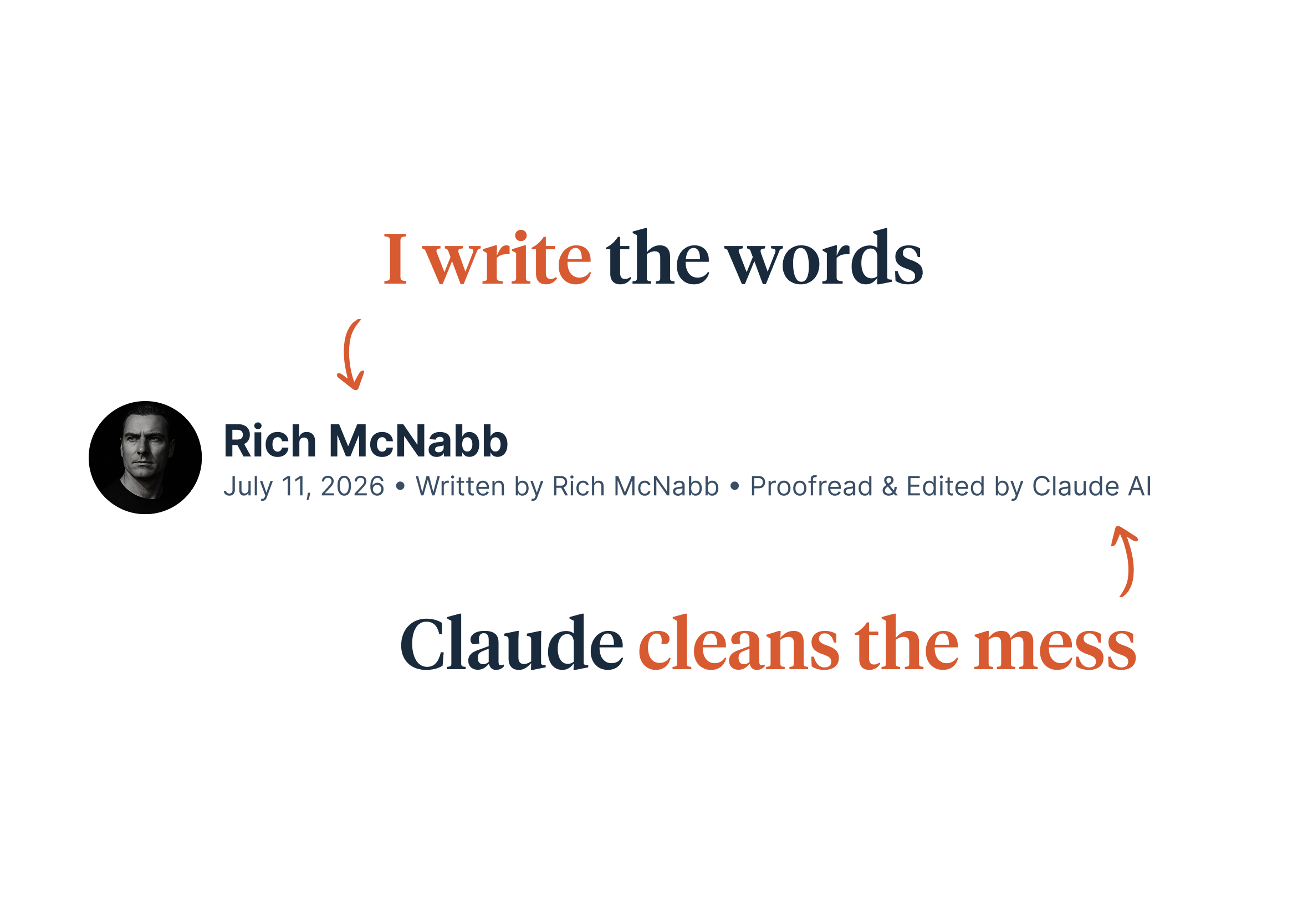
Giving credit where it’s due, on every article.
That distinction is exactly why every article on this site now carries a small line under the byline: “Written by Rich McNabb • Proofread & Edited by Claude AI”. Not a legal disclaimer, just the truth of how it gets made, out in the open rather than left for someone to guess at.
Being upfront about this isn’t a policy decision, it’s a values thing. Honesty sits among the values I named through some personal growth reflection, and quietly hiding how these articles actually get made would be exactly the kind of thing that value exists to prevent. I still make the final call on every line and every word.
Let’s write it together, don’t write it for me.
Why do you write?
I write for myself mainly, as a form of expression and creativity that’s extremely slow and challenging, yet somehow rewarding anyway. As I mentioned at the start, it helps the ideas tangled up in my head actually make it onto the screen, rather than staying stuck exactly where they started.
That same instinct is why I rebuilt my own portfolio site from the ground up using Claude to teach me how, rather than handing the whole thing over to be built for me. Learning this way has always suited how my brain works, something I noticed long before AI was ever part of the picture.
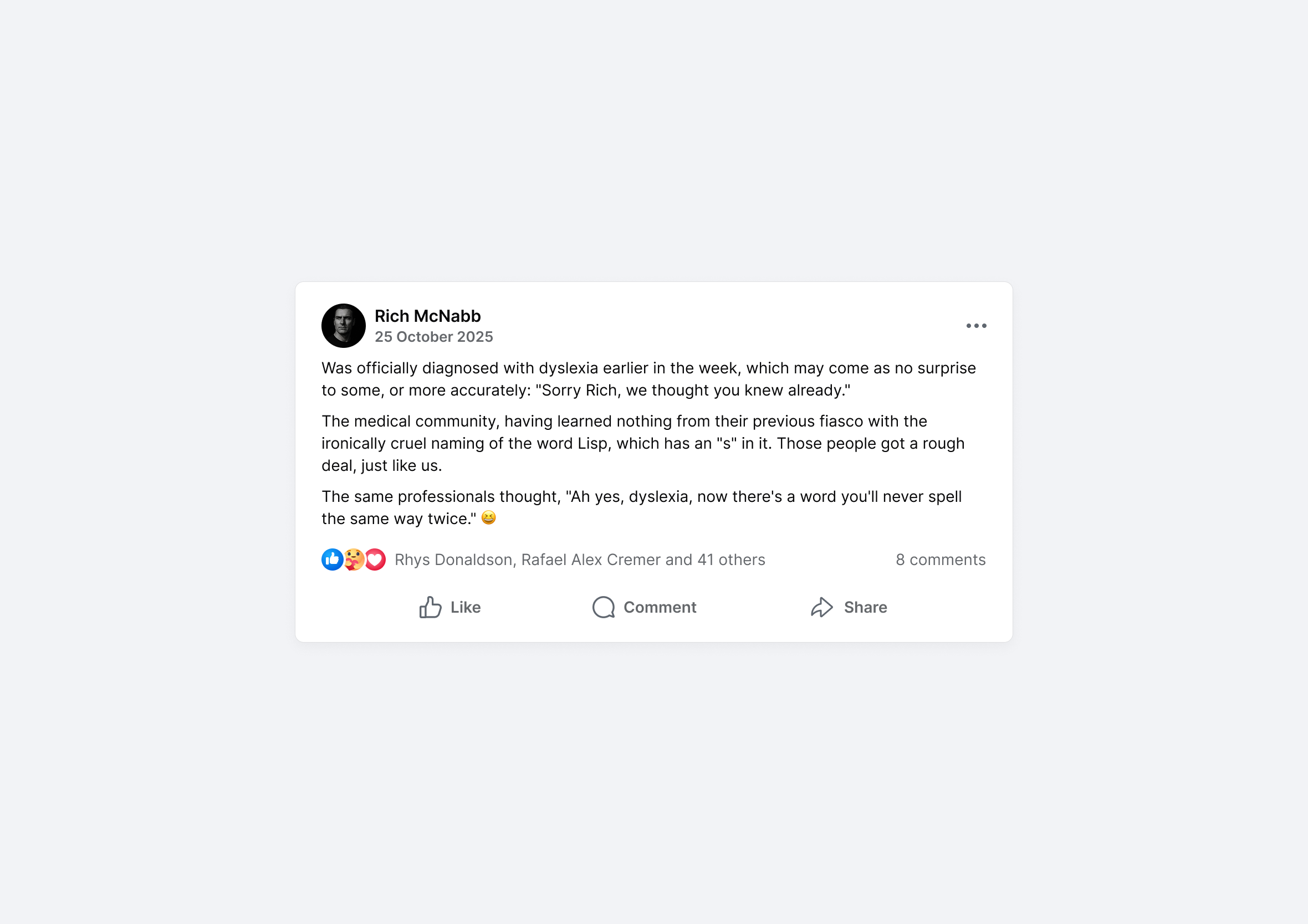
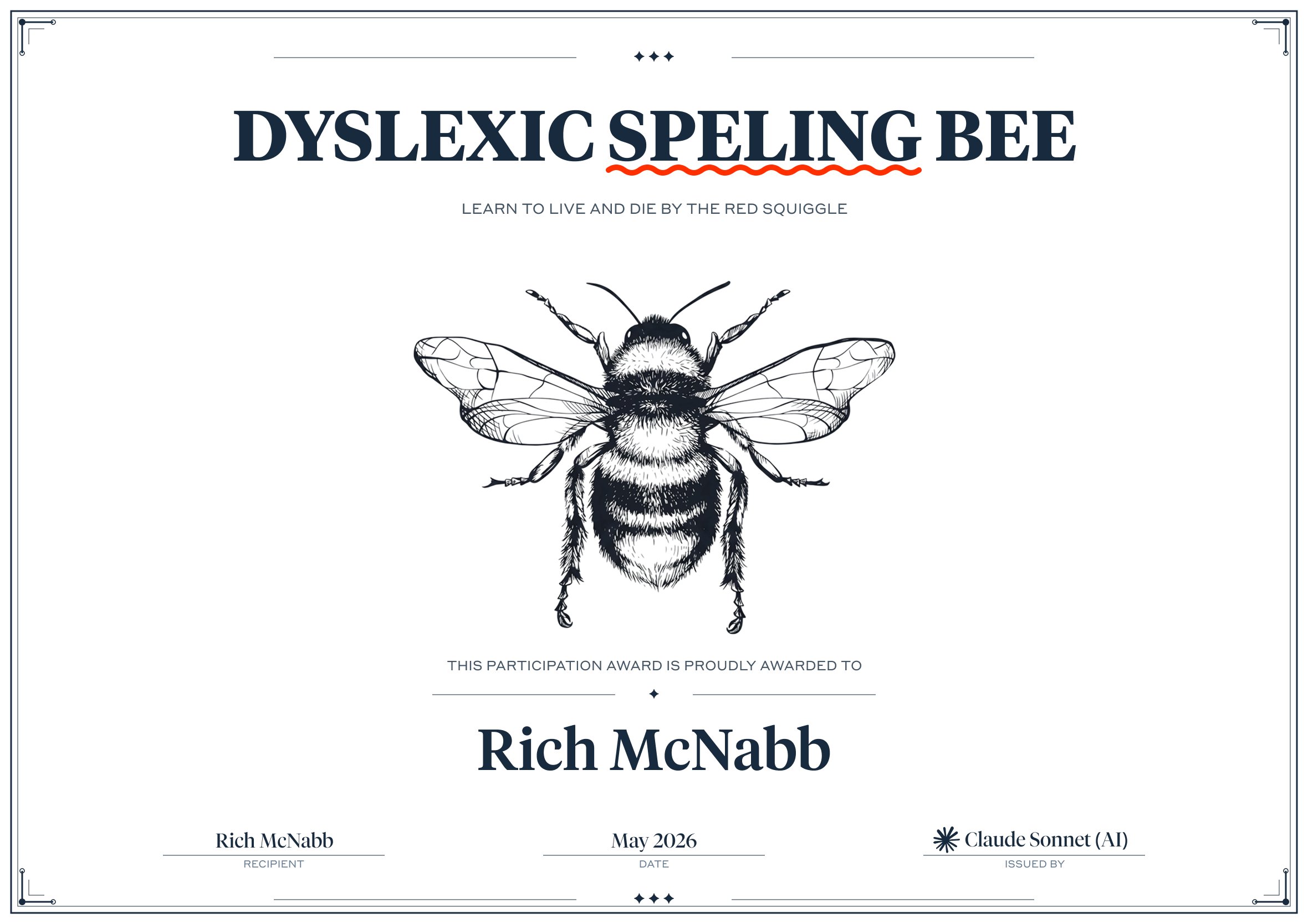
I’ve been a terrible speller for as long as I can remember. As you’ve already figured out, I live and die by the red squiggly line. A year before I found out I had dyslexia, I was diagnosed with ADHD, and neurodiversity and writing have been tangled together ever since. Classic Rich, always late to the party and last to know.
It’s a fine balance between funny and offensive. Hopefully I’ve landed as close to the line as possible without going over.
Technology that makes reading and writing more accessible
It’s genuinely hard to say how long this article took to put together, all I can say is it wasn’t quick and it wasn’t easy. Somewhere around the 20-hour range, spread across two to three days. Didn’t think to track it precisely at the time, though I can assure you there were probably over a hundred exchanges, including ‘how does this piece sound, Claude?’ rewrites on top of rewrites, screenshots uploaded, and links shared over that time.
Claude checks those too, the kind of accessible technology that quietly does its job in the background rather than announcing itself. Costs about the same as a Netflix subscription, and I get more genuine use out of it than most nights of scrolling for something to watch. It’s what allows me to hide in plain sight and walk amongst other well-read people, no more manually running the “i before e” algebra equation in my head and hoping it matches the actual rules, no more wondering if the message that landed matches the one that started there.
Besides writing articles, I use it for everyday life too, the occasional text or Slack message where multiple ideas can easily get tangled together. Not everything gets checked, just the important ones, or the messages with so many speedbumps in the writing that even I can’t work out what I was trying to say.
Most emails get sent to Claude to proofread first, before they go out to people, only because there’s no edit feature once you hit send, so a typo out there actually stays a typo. A quick pass makes sure it lands clearly the first time, no stray words or half-formed thoughts slipping through, or worse, autocorrected on the fly into something that changes the entire meaning.
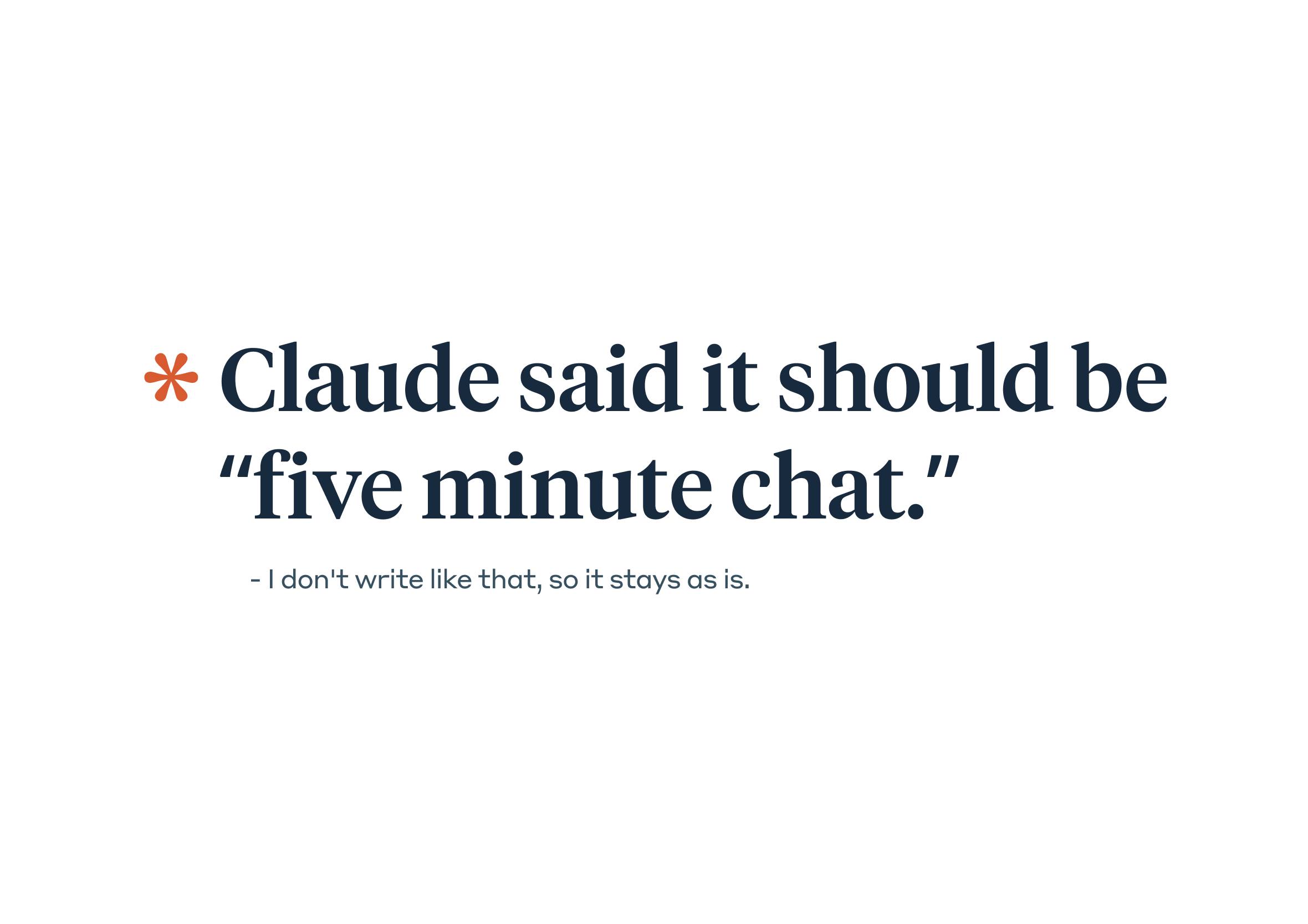
When things do get lost in translation, I’ll normally just ask “Are you free for a quick 5 minutes chat?”*
Claude tries to simplify my phrasing, however if it doesn’t sound like me, it doesn’t make the cut.
Getting past the blank page, not around it
None of this replaces actually knowing what I want to say. Reverse prompting just gets me there faster, past the blank page and the tangle of half-formed thoughts that used to keep me stuck before I’d written a single line.
The words on the page are still mine. Claude just asks better questions than I ask myself, and that’s turned out to be enough.